He leads projects and consulting services under LEED, EDGE, and FITWEL standards, integrating facade optimization strategies, life cycle assessments, and energy modeling to develop high-performance buildings.

Sustainable architecture has ceased to be a trend and has become a necessity. In Latin America, more and more projects are demonstrating that it is possible to build in an environmentally responsible way, without sacrificing design, functionality or profitability.
Through various international certifications such as LEED, EDGE or BREEAM, these buildings not only reduce their environmental footprint, but they also offer economic, social and health benefits for their occupants. In this blog, we analyze 10 green buildings that stand out for their commitment to sustainability in the region.
| Certification | Focus | Best for |
|---|---|---|
| LEED | Global standard with Certified, Silver, Gold and Platinum levels | Projects seeking international recognition |
| EDGE | IFC standard for emerging markets; minimum 20% savings in energy, water and materials | Projects seeking a fast, low additional-cost certification (0-3%) |
| WELL | Evaluates the impact on people's health and well-being (air, water, light, mind) | Offices and corporate spaces |
Certification: LEED Platinum (BD+C: Core and Shell)
An icon of modern architecture in Latin America. Torre Reforma is one of the most outstanding examples of green buildings in the world, recognized internationally for its innovation and leadership in sustainability. It is one of the most sustainable skyscrapers on the continent, with rainwater collection systems, natural ventilation and materials with low environmental impact. In addition, its plant is designed to maximize efficiency and functionality, and its anti-seismic structure is an example of urban resilience.
The Torre Reforma, the work of renowned architect Benjamín Romano, has established itself as a benchmark for sustainable architecture in Mexico City and throughout Latin America. This building not only redefines the city's skyline, but it also marks a A milestone in sustainable construction, integrating advanced systems that prioritize energy efficiency and the reduction of environmental impact.
In a region where the demand for sustainable buildings is growing more and more, the Torre Reforma stands out for its LEED (Leadership in Energy and Environmental Design) certification, an international recognition that supports its commitment to sustainability and excellence in design and operation. Thanks to the implementation of efficient lighting and ventilation systems, the building optimizes energy use and improves the quality of life of those who live and visit it.
One of the most innovative aspects of the Torre Reforma is its rainwater collection system, which significantly reduces drinking water consumption and contributes to the responsible management of water resources in the city. In addition, the roof garden, in addition to providing vegetation and green spaces, helps to reduce the building's carbon footprint, reinforcing its commitment to the environment.
The design of the Reforma Tower responds to the current challenges of climate change, in line with Mexico City's goals to reduce greenhouse gas emissions and promote sustainable construction. This building is a clear example of how architecture can transform the urban environment, integrating systems that promote energy efficiency and community well-being.
In short, the Torre Reforma represents the vanguard of sustainable buildings in Mexico and the region, demonstrating that it is possible to combine innovation, efficiency and respect for the environment at every stage of construction and operation. Its integration into Mexico City is a testament to the move towards more resilient and sustainable cities, where architecture and LEED certification play a fundamental role in the transformation of the sector.
Certification: LEED Gold (Core and Shell)
This mixed-use project combines technology, bioclimatic design and energy efficiency. It is located in the financial heart of Bogotá and was designed to significantly reduce water and energy consumption.
The Atrio Building optimizes operation and maintenance services to minimize energy and water consumption, thus promoting efficient and sustainable management.
Certification: LEED Gold (Commercial Interiors)
Work by the company SURA in the municipality of Las Condes, inaugurated in 2014 with LEED Gold. The design incorporates natural lighting, efficient ventilation, intelligent heating systems, inclusive accesses (ramps, adapted bathrooms) and a façade that became a public mapping stage.
Certification: LEED Gold
The Eco Berrini building was designed to maximize energy efficiency, thermal comfort and indoor environmental quality. Thanks to its efficient enclosure, low-consumption HVAC systems and rainwater collection, it achieved LEED Gold certification, consolidating itself as a model of sustainability in the Brazilian corporate sector.
Certification: LEED Silver
This mixed-use complex, which integrates offices, hotel and shopping center, obtained LEED Silver certification by incorporating strategies such as energy efficiency, improved ventilation systems, rational use of water and materials with low environmental impact. It is a benchmark in sustainable real estate development in Paraguay.
Certification: EDGE Advanced
Urban conversion project that reused an existing building, implementing energy saving systems, water efficiency and selection of materials with low emissions. This complies with EDGE standards and positions itself as a benchmark in local sustainable innovation.
Certification: LEED Gold
Located on the campus of the EAN University, this academic building has been designed under the principles of circular economy and zero net energy, using renewable energy to achieve this objective. It stands out for its bioclimatic façade and waste management system.
Certification: EDGE
This mall, located in the district of Ate, is one of the first malls in Peru to obtain EDGE certification (thanks to the advice of Leaf Global). It implements technologies aimed at saving water and energy, such as the installation of solar panels, efficient lighting systems, responsible waste management and sustainable landscaping. Its design prioritizes user comfort and respect for the environment, setting a precedent for the retail sector in the region.
Certification: LEED Gold
This innovative educational campus located in the center of the City of Knowledge was the first LEED Gold certified educational building in Panama. It is designed with clear criteria for energy efficiency, natural lighting, rainwater management, recycling systems and the use of materials with low environmental impact.
Certification: LEED Silver
One of the tallest skyscrapers in Mexico, designed by the architecture firm VFO, recognized for its experience in sustainable projects, which incorporates technologies for energy saving, automation systems and passive strategies to reduce its environmental impact.
The sustainable certifications like LEED, EDGE, BREEAM, WELL and more, they are applied in different countries and buildings around the world, evaluating both new constructions and renovations of existing buildings. These certifications make it possible to demonstrate that a building complies with international standards in energy efficiency, responsible use of water, indoor environmental quality, waste management or others, through the implementation of certified systems and practices.
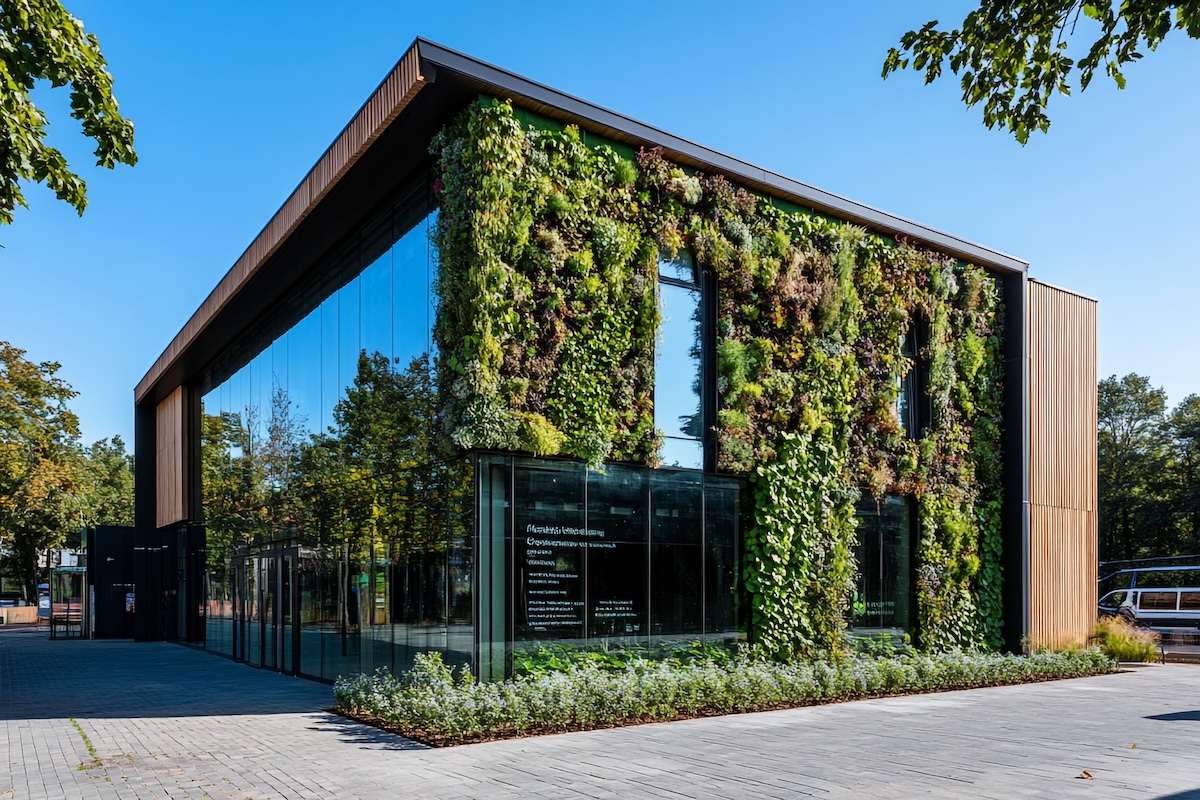
When evaluating a building, these certifications consider key concepts such as well-being, air quality, access to drinking water, comfort and the health of the occupants. Sustainable architecture is an increasingly relevant topic in Latin America and the world, promoting innovative and responsible projects.
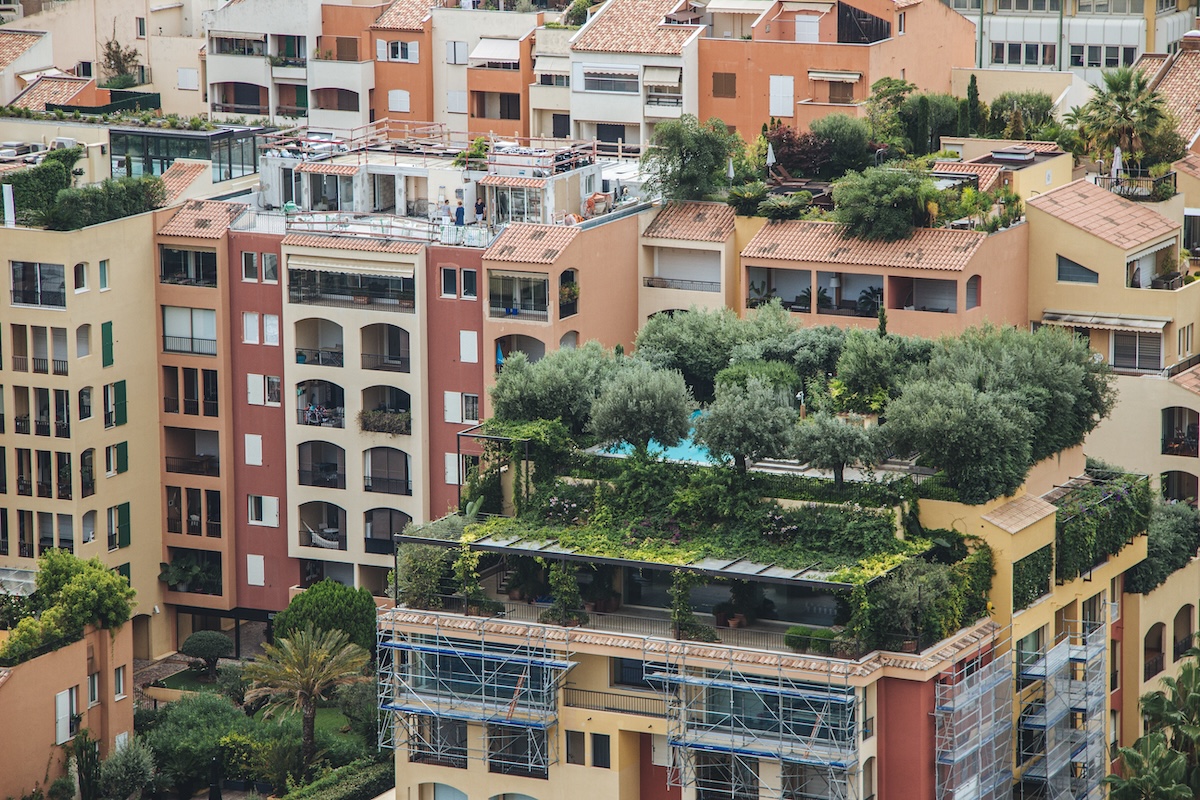
A prominent international example is the headquarters of the International Olympic Committee in Lausanne, Switzerland, which has obtained a sustainability certificate for its ecological design. Another emblematic case is the Vertical Forest in Milan, two residential towers covered with vegetation that integrate more than 800 trees, demonstrating the integration of nature into urban buildings.
In addition to reducing operating costs and improving comfort, obtaining a sustainability certificate generates trust among investors, authorities and users. It also facilitates compliance with local regulations and contributes to the fulfillment of the Sustainable Development Goals (SDGs), promoting innovation in buildings and caring for the planet.
The most common are LEED, EDGE, WELL and BREEAM. They evaluate energy efficiency, responsible water use, indoor environmental quality and occupant well-being.
LEED is the most widespread among green buildings in Latin America, followed by EDGE, created specifically for emerging markets.
It reduces operating costs, improves occupant comfort, builds trust among investors and authorities, and contributes to meeting the Sustainable Development Goals (SDGs).
Are you considering certifying your project? Contact us
Leaf Global. Copyright © 2026. All rights reserved.