The WELL certification is the world’s first certification exclusively focused on the health and well-being of building occupants. Unlike other standards, WELL measures how the built environment impacts nutrition, mood, sleep, and human performance.
WELL spaces reduce stress and illness, improving concentration and user satisfaction. For companies, this translates into reduced absenteeism and a stronger organizational culture through a real commitment to human capital.
It is based on real performance auditing. The process includes a technical consulting phase and an on-site verification carried out by external assessors, who measure scientific parameters such as air and water quality to validate that the space truly supports its occupants.
Investment is allocated to technical management, registration, and improvements in wellness systems. Although it involves implementation costs, this translates into a direct return through increased productivity, talent retention, and exclusive differentiation in the corporate real estate market.
It is aimed at modern corporations, office building owners, commercial developers, and educational institutions. It is ideal for organizations that prioritize employee health and seek to attract talent through healthy and human-centered workplaces.
The certification evaluates 10 key concepts: Air, Water, Nourishment, Light, Movement, Thermal Comfort, Sound, Materials, Mind, and Community. Projects can achieve three levels—Silver, Gold, or Platinum—depending on compliance with prerequisites and achieved optimizations.
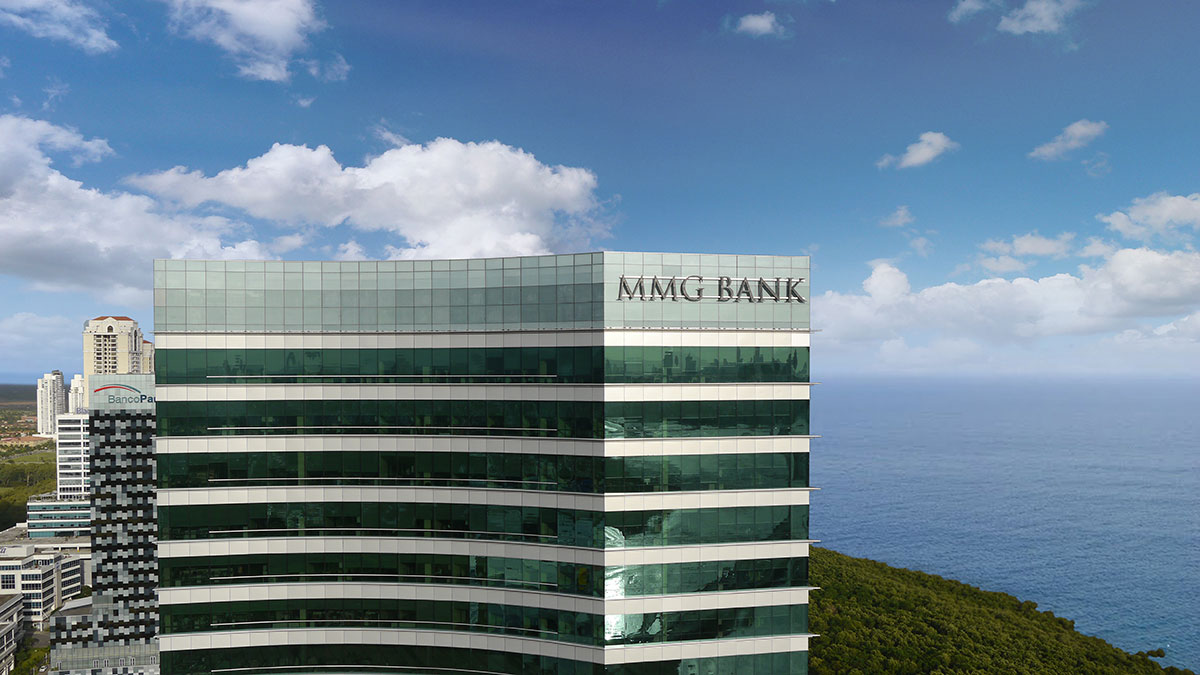
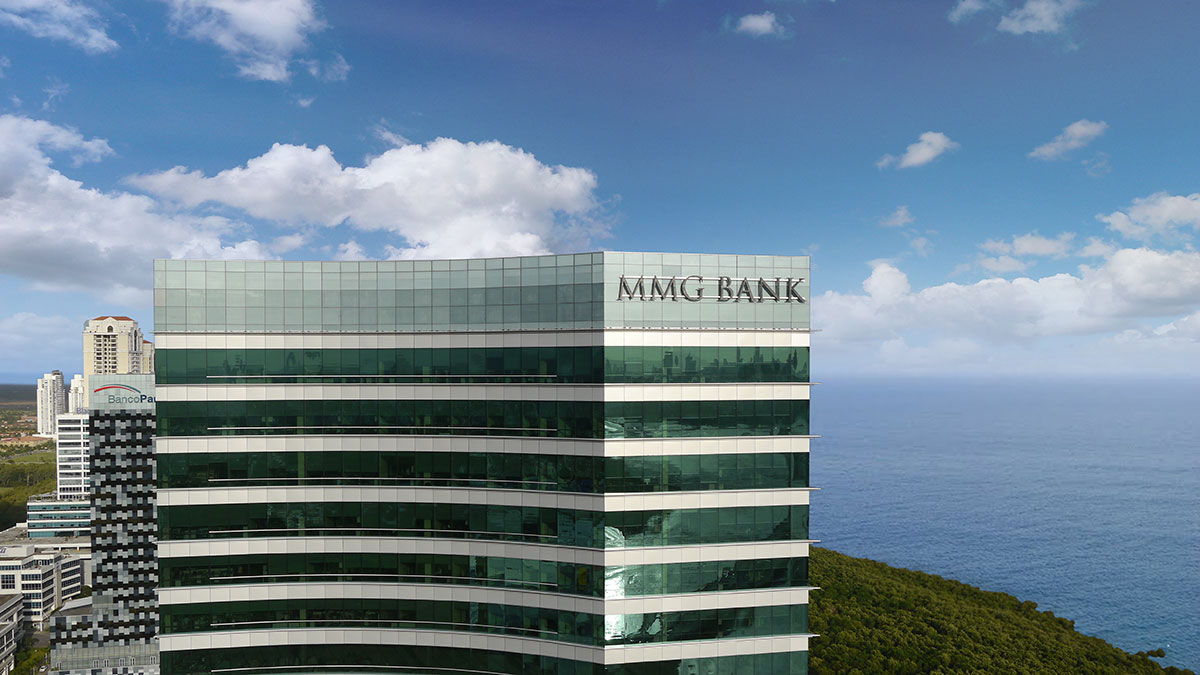
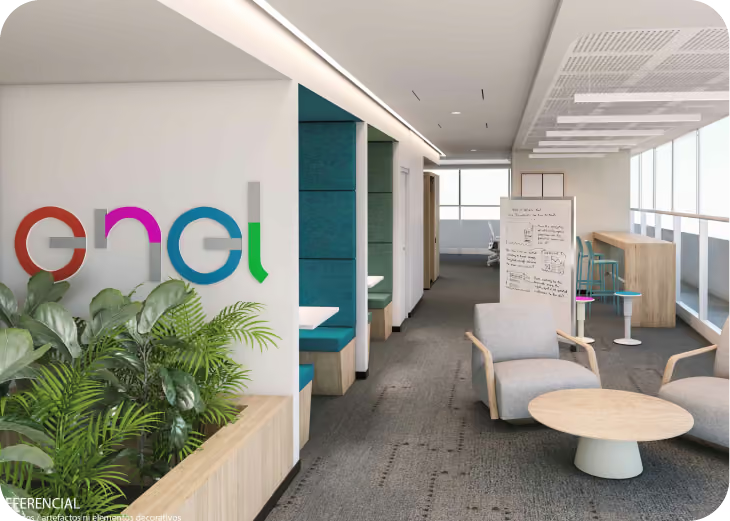
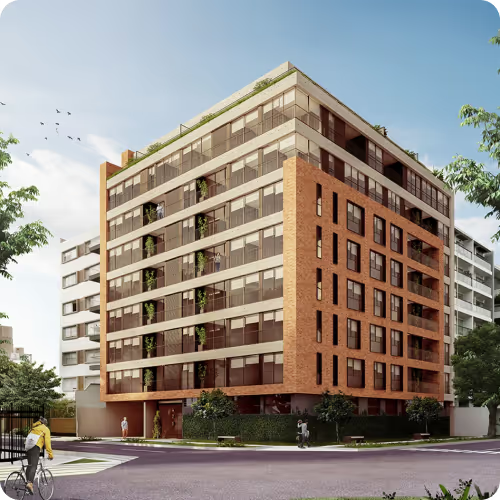
In Peru, we supported Enel in achieving WELL Platinum certification for their offices in San Borja, the first in the country to reach this level. We also simultaneously certified MMG Tower in Panama under both WELL and LEED standards. If your company is looking to improve the health and productivity of your employees in Peru, Mexico, Colombia, or Panama, Leaf can design the most efficient WELL certification roadmap for your budget.
Leave us your message and we will get in touch with you.
Write to us
WELL improves health and comfort (air, water, light, thermal comfort), which translates into higher satisfaction, productivity, and occupant retention, making buildings more attractive to companies and end users.
We prioritize low-cost/high-impact measures (optimal ventilation and building orientation, efficient filters, lighting controls, internal policies) and optimize specifications to balance CAPEX and benefits.
Yes. WELL applies to existing buildings and interior spaces; many interventions can be implemented through renovations with targeted adjustments.
Through on-site performance measurements, instrumental testing, commissioning records, and physical and documentary reviews that verify compliance with applicable standards.
Yes.
Leaf Global. Copyright © 2026. All rights reserved.