He leads projects and consulting services under LEED, EDGE, and FITWEL standards, integrating facade optimization strategies, life cycle assessments, and energy modeling to develop high-performance buildings.
Find out what a green certification is and how it increases the value of real estate. Learn why sustainable buildings are more profitable, efficient and attractive to companies and investors.
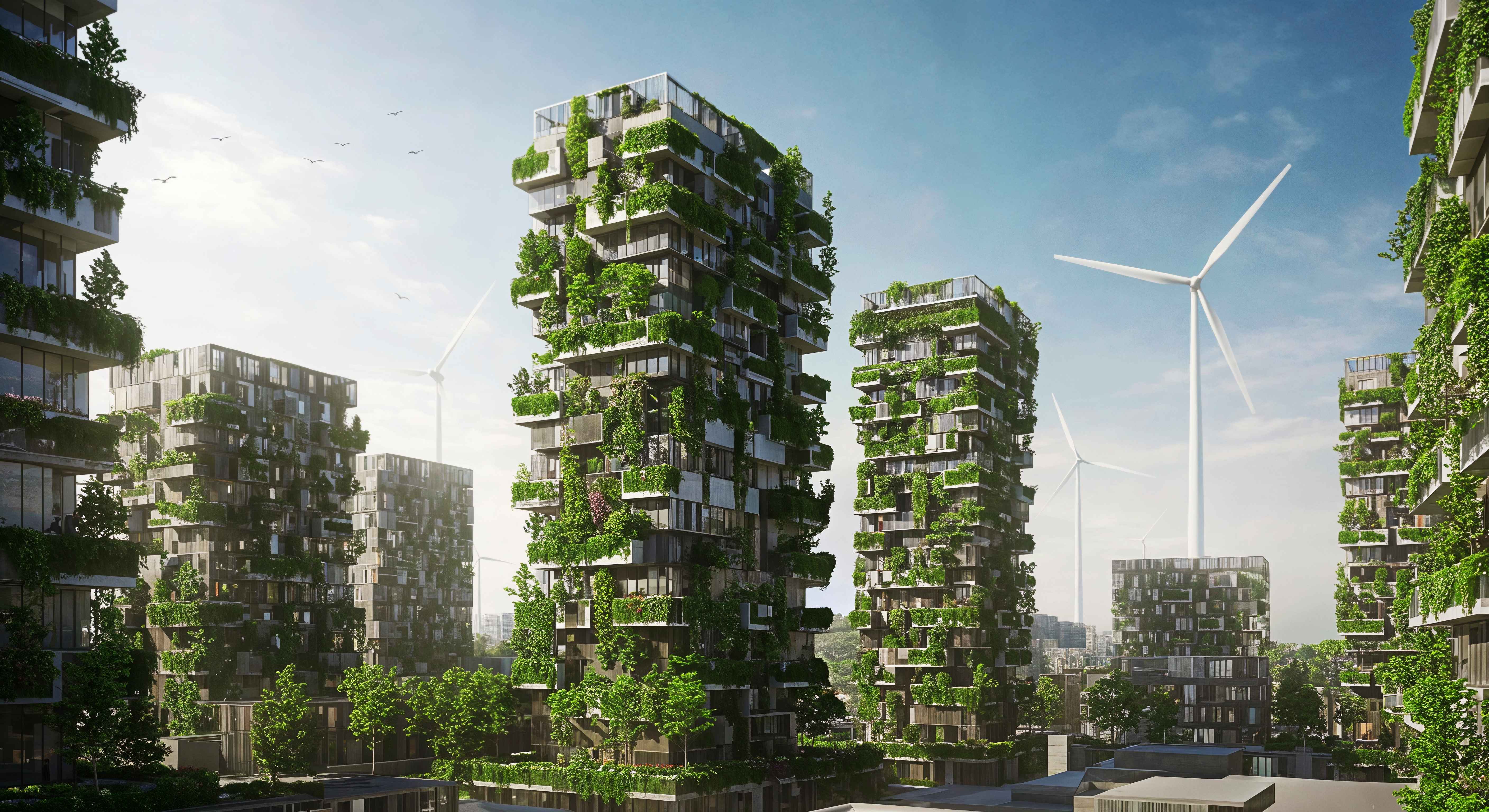
The real estate market is undergoing a profound transformation. The demand for sustainable buildings, the increase in regulations on climate change and the pressure of consumers, firms and towns They have converted the environmental certifications is a decisive factor for the value of real estate. Today, a building that integrates sustainability, efficiency and responsible use of resources not only reduces operating costs, but it also increases its attractiveness and price in the market.
In this blog we explain What is a green certification, because it directly impacts the value of buildings, what criteria it evaluates and how it benefits both owners and investors.
Environmental certifications are evaluation systems that verify the sustainable performance of a building through technical, operational and environmental criteria. These programs establish standards global to measure efficiency, the use of energy, the management of the water, indoor air quality, consumption of feedstocks and the impact on the environment throughout the construction life cycle.
Among the most recognized certifications are:
Each one uses criteria of specific evaluation, but they all share the same objective: improve quality of life, protect the planet and promote responsible practices in construction industry.
Because they generate:
A certification is the process by which an independent organization verifies that a building meets certain standards of sustainability. This involves a set of processes, audits and technical analyses that consider design, construction, materials, resource consumption and operation.
East way allows us to guarantee consumers and the market that a building has been built under responsible practices and aligned to sustainable development.
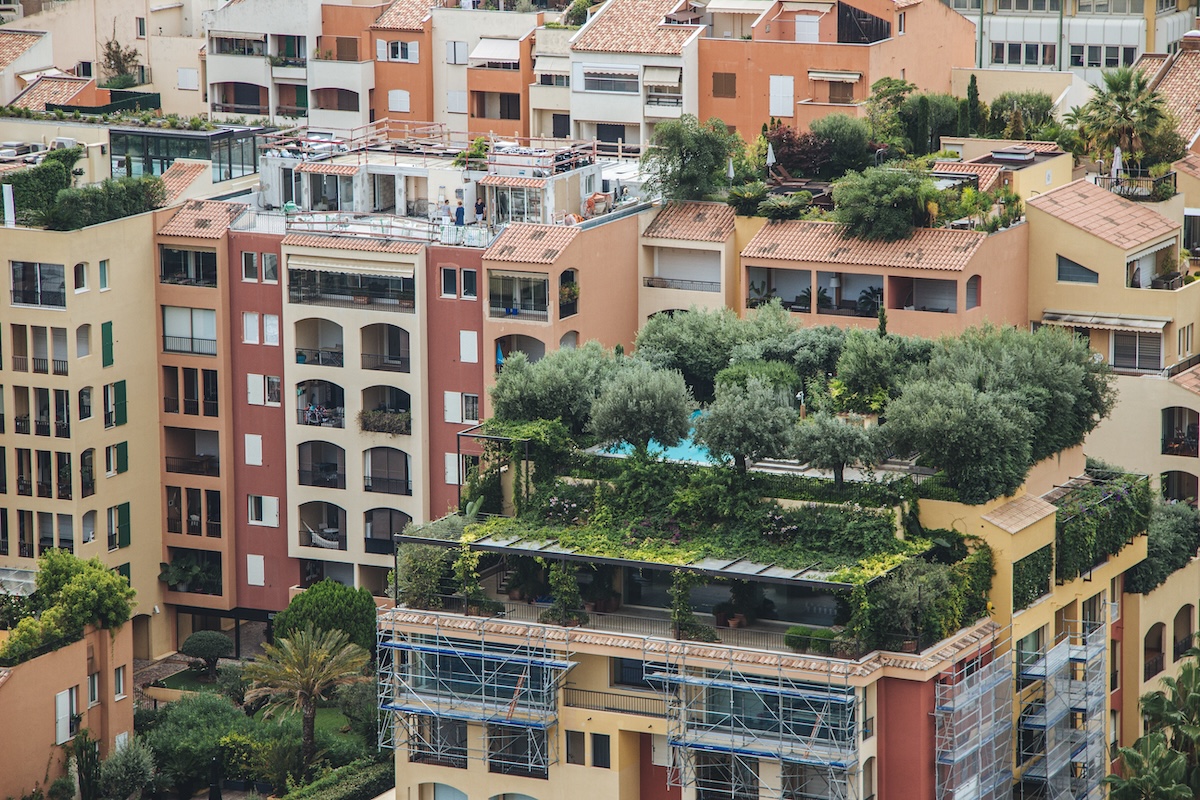
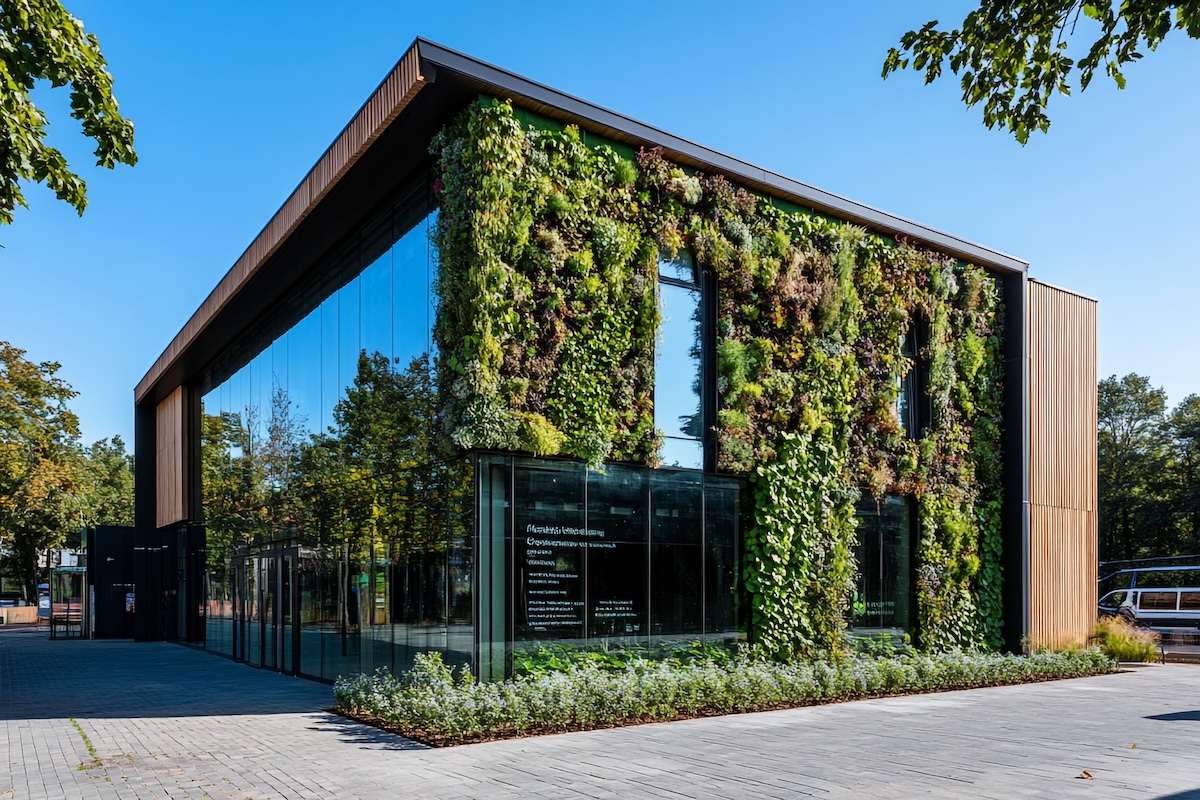
The green buildings or environmentally certified properties have a higher value for several reasons.
Patrons, investors and companies are looking for properties that reduce their environmental impact and that respond to new ones needs of comfort, efficiency and well-being. This results in higher levels of occupation, better incomes and a more stable return.
Thanks to the energy efficiency, the intelligent use of systems, the management of water and the use of renewables, operating costs decrease by up to 30— 40%.
Certified buildings usually use materials of better quality, incorporate systems innovators and apply proceedings that increase the durability of the infrastructure.
With growing concern for the climate change, many countries are demanding minimum sustainability standards. Having a certification makes it easier to comply with these regulations.
Increasingly firms consider sustainability as a central part of their business model and as a key factor in competitiveness.
Certifications allow organizations to measure and manage their environmental impact, ensuring transparency, protection of resources and a plan of continuous improvement.
One of the reasons why these certifications increase the value of real estate is because they increase the quality constructive and operational.
Sustainability doesn't just impact value and operation; it also improves the user experience.
Green certified properties thus become better places to live, work and develop.
The environmental certifications they are no longer a differentiator; they are a priority for the real estate industry and a factor that increases the value of any property. In a world concerned about climate change, limited resources and the demand for sustainability, having a green certification guarantees competitiveness, efficiency and growth.
Investing in certifications is not an expense: it is a strategic decision that ensures better results for firms, investors and the cities of the future.
Leaf Global. Copyright © 2026. All rights reserved.