He leads projects and consulting services under LEED, EDGE, and FITWEL standards, integrating facade optimization strategies, life cycle assessments, and energy modeling to develop high-performance buildings.

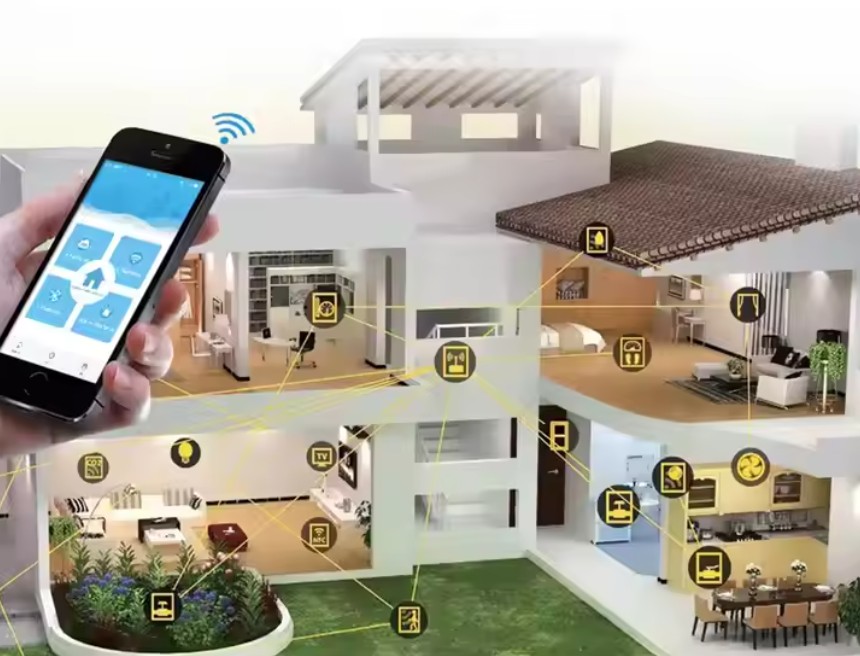
Home automation refers to the integration of technology in homes and buildings to automate and control various systems and processes, such as lighting, air conditioning, security and appliances. This technology allows efficient management of energy consumption, improving the quality of life of users by providing cosiness, security and energy savings.
In the context of sustainable construction, home automation becomes a crucial ally for reducing energy consumption and improving building efficiency. By automating processes such as lighting and air conditioning, these technologies not only reduce environmental impact, but also offer significant savings and greater comfort. This blog explores how home automation can transform sustainable construction and what benefits it brings.

Image taken from Casadomo
35% of global energy consumption is related to the construction and use of buildings, and the 38% CO2 emissions to the atmosphere come from these activities. This significant impact underlines the need to adopt sustainable construction practices, which seek to minimize:
Home automation plays a crucial role in this transition. By automating and controlling processes such as lighting and air conditioning, home automation not only improves energy efficiency, but also reduces environmental impact. Imagine being able to adjust the temperature of your home from your mobile phone or programming the lights to turn off automatically when no one is home. These innovations not only increase comfort, but also contribute to energy savings.
In addition, the Spanish home automation association and other organizations are actively promoting these technologies, demonstrating that the combination of home automation and sustainable construction is not just a possibility, but a necessity to face current environmental challenges.

Image taken from interempresas.net
Energy management is essential in home automation, allowing savings and efficiency in the consumption of resources. The implementation of home automation technology allows the automation of construction processes, optimizing the use of resources and improving energy efficiency. In addition, the combination of home automation and sustainable construction allows for better management of resources and a significant reduction in polluting emissions.
In this section, we will analyze how home automation optimizes energy consumption in sustainable buildings through three key aspects: intelligent lighting control, automatic temperature regulation and energy consumption monitoring and management.
The use of light sensors can automatically adjust artificial lighting according to the available natural light, resulting in significant energy savings. Imagine a system that detects the amount of sunlight coming through the window and adjusts the interior lights accordingly; this maximizes the use of natural light and minimizes energy consumption.
In addition, smart bulbs allow you to turn on, turn off and adjust the intensity of the light remotely and program schedules. Home automation systems can also automate the orientation of blinds and awnings to maximize the collection of sunlight through solar panels, thus optimizing the energy performance of homes.
Home automation makes it possible to optimize the use of heating and air conditioning, adjusting them to external climatic conditions and to the real needs of the occupants. This not only improves comfort, but also reduces energy consumption and environmental impact.
In addition, these systems can be integrated with window opening and closing sensors, avoiding energy waste by automatically adjusting the heating or air conditioning when an open window is detected. They also make it possible to manage lighting efficiently, further contributing to energy savings.
Real-time monitoring of energy consumption makes it easy to identify areas for improvement and optimization. The integration of home automation technologies helps identify and reduce energy consumption patterns, thus reducing the carbon footprint.
In addition, it allows you to disable circuits to avoid consumption in stand-by mode and offers remote control and programming of appliances, consumption alerts and autonomous decisions for disconnection, which contributes significantly to energy savings.
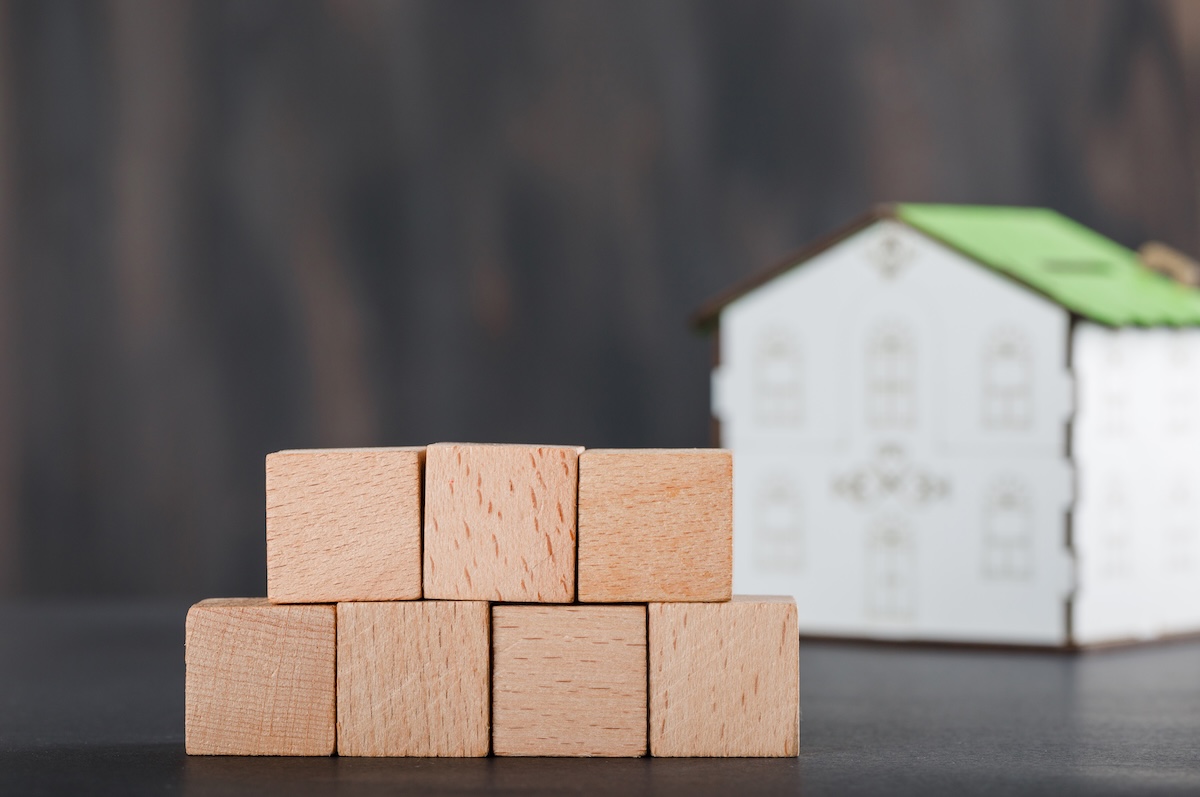
The selection of sustainable building materials is important to minimize the carbon footprint. In sustainable construction, alternatives to traditional materials are being developed, including plant-based fibers, bioplastics and self-healing materials.
These new materials are essential in replacing or supplementing traditional material, improving the efficiency and sustainability of buildings.
Apply the 3 R: reducing, reusing and recycling is key to sustainable construction. It is essential to reduce the amount of waste in construction, reuse materials where possible and recycle discarded materials. In addition, managing hazardous waste in accordance with current legislation minimizes its environmental impact.
Accredited entities must carry out the characterization of hazardous waste to ensure proper management. It's also important to select environmentally friendly options for paints, adhesives and insulators that don't contain toxic materials, thus contributing to a healthier environment.
The implementation of construction systems that integrate home automation technology is crucial to improve the sustainability of buildings. Home automation systems allow intelligent lighting control, which reduces energy consumption and improves energy efficiency in sustainable buildings.
The integration of home automation technologies results in a reduction in operating costs and a positive impact on reducing the carbon footprint. It is essential to adopt efficient construction systems to ensure a sustainable future in construction.

Iberdrola infographic
In sustainable construction, the use of renewable energies such as solar thermal, photovoltaic and geothermal energy is key to reducing energy consumption and carbon emissions. A prominent example is the Sant Antoni Market in Barcelona, which combines its historic architecture with a geothermal system to optimize its energy efficiency, in line with European sustainability strategies.
The integration of these energy sources with home automation systems makes it possible to manage their use in an intelligent way, maximizing efficiency and reducing environmental impact. Thanks to automation, it is possible to optimize consumption based on demand, regulate air conditioning and improve energy management in buildings.
Home automation systems are key tools that allow efficient management of the energy generated by solar panels. Intelligent management makes it possible to maximize the use of the energy produced by the panels, reducing waste and improving energy efficiency.
By combining solar panels with home automation, significant energy savings are achieved and contribute to a more sustainable environment. This integration optimizes the production and consumption of energy generated by solar panels, making homes more self-sufficient and environmentally friendly.
The integration of wind energy with intelligent storage systems makes it possible to manage energy more effectively. Home automation allows the efficient management of wind energy storage, optimizing its use according to the energy demands of the home.
In addition, the integration of wind energy in home automation systems allows a more efficient use of the energy generated, managing its storage and distribution to maximize efficiency and minimize waste.

Image designed by Freepik
Buildings that adopt home automation systems can experience energy savings of up to 30%, which has a direct impact on operating costs (VHN GROUP). Using sustainable materials in the construction of a building contributes to a significant reduction in the environmental footprint.
In addition, the use of materials biodegradable not only reduce environmental impact, but can also contribute to a healthier environment in buildings and the environment.
Home automation allows you to turn off the heating remotely through mobile devices, which contributes to energy savings. The use of home automation systems can result in savings of between 25% and 30% on the electricity bill.
Controlling energy consumption in real time helps to avoid exceeding the contracted power and thus reduce additional costs in the electricity bill. The initial investment in home automation systems recovers over time. This is due to ongoing savings in energy costs.
Monitoring electricity consumption in a home makes it possible to identify patterns of use and optimize energy efficiency, reducing energy waste. In sustainable construction, the calculation of the carbon footprint is a key indicator of environmental impact, together with the management of water and materials.
The integration of home automation technologies in sustainable buildings improves resource efficiency, reducing energy consumption and emissions. Systems such as intelligent air conditioning, lighting sensors and automated water management are essential to achieve a significant reduction in the carbon footprint.
La Home automation is focused on homes and small buildings, prioritizing user comfort through the automation of lighting, air conditioning and security. On the other hand, in commercial, industrial and large scale buildings, a Building Management System (BMS), which integrates and manages multiple systems to optimize operational and energy efficiency.
Both systems can be complemented in sustainable construction projects. In some cases, home automation is integrated into the BMS to manage specific spaces in larger buildings. The combination of both technologies makes it possible to optimize resources, reduce energy consumption and minimize environmental impact.
Home automation has revolutionized various sectors, from sustainable construction to intelligent agriculture.
🔹 Smart Farms: A prominent case is the use of automated systems in the agro-industry, where advanced sensors and algorithms optimize irrigation, control temperature and monitor air quality. This not only increases productivity, but also reduces water and energy consumption, promoting more sustainable agricultural practices.
🔹 Efficient buildings: In the real estate sector, buildings with LEED certifications and EDGE integrate home automation systems to manage lighting, air conditioning and ventilation based on the actual use of space, improving energy efficiency and reducing carbon emissions.
🔹 Smart cities: Cities such as Singapore and Barcelona have implemented domotic infrastructures that regulate public lighting, optimize traffic and reduce resource waste through IoT sensors and big data.
The high initial investment required for the installation of home automation systems can be a significant obstacle to their adoption in sustainable buildings. In addition, the maintenance of home automation systems is crucial, as they may require upgrades and repairs that are complex and expensive.
The effectiveness of home automation systems depends to a large extent on network speed and the number of connected users, which can affect their performance. It's also essential that construction professionals keep up to date on new technologies and certifications related to the Internet of Things (IoT).
It is estimated that the adoption of home automation technologies could significantly reduce CO2 emissions in the construction sector, thanks to the optimization of energy consumption and efficient resource management.
In addition, automation is revolutionizing construction planning, allowing energy and operational scenarios to be simulated before installation, improving efficiency from the early stages of the project.
On the other hand, home automation promotes security in buildings, integrating intelligent systems for the prevention and detection of risks, such as gas leaks, fires or unauthorized access.
In a market increasingly focused on intelligent technology and sustainability, the integration of home automation solutions not only improves operational efficiency, but has also become a key factor for the competitiveness of architects, engineers and developers.
The integration of home automation into sustainable construction not only improves energy efficiency and reduces environmental impact, but also provides greater comfort and quality of life. From the optimization of energy consumption to the use of sustainable materials and renewable energies, home automation technologies are revolutionizing the construction sector.
In short, home automation offers a comprehensive solution to face current and future environmental challenges. Adopting these technologies is not only an investment in efficiency and sustainability, but also in a greener and healthier future for all.
Home automation is a set of technologies that automate and optimize the control of building systems, improving energy efficiency, comfort and safety. In sustainable construction, home automation plays a key role in optimizing the use of resources, reducing energy consumption and minimizing environmental impact.
Home automation contributes to the reduction of energy consumption through the intelligent automation of lighting, air conditioning and other systems, adjusting them according to environmental conditions and the actual use of space. This not only optimizes energy use, but also reduces operating costs and environmental impact.
Home automation can be integrated with various sources of renewable energy, such as photovoltaic solar, solar thermal and wind, allowing for more efficient energy management. This makes it easier to monitor and optimize consumption, maximizing the use of clean energy and reducing dependence on non-renewable sources.
Home automation in sustainable construction can offer savings of up to 30% on the electricity bill and reduce long-term operating costs by optimizing the use of resources.
The main challenge for the adoption of home automation in sustainable construction is the high initial investment, together with the need for training to handle these technologies. However, with increasing awareness of sustainability, these difficulties can be overcome, opening the door to a more efficient and environmentally friendly future.
Leaf Global. Copyright © 2026. All rights reserved.