He leads projects and consulting services under LEED, EDGE, and FITWEL standards, integrating facade optimization strategies, life cycle assessments, and energy modeling to develop high-performance buildings.
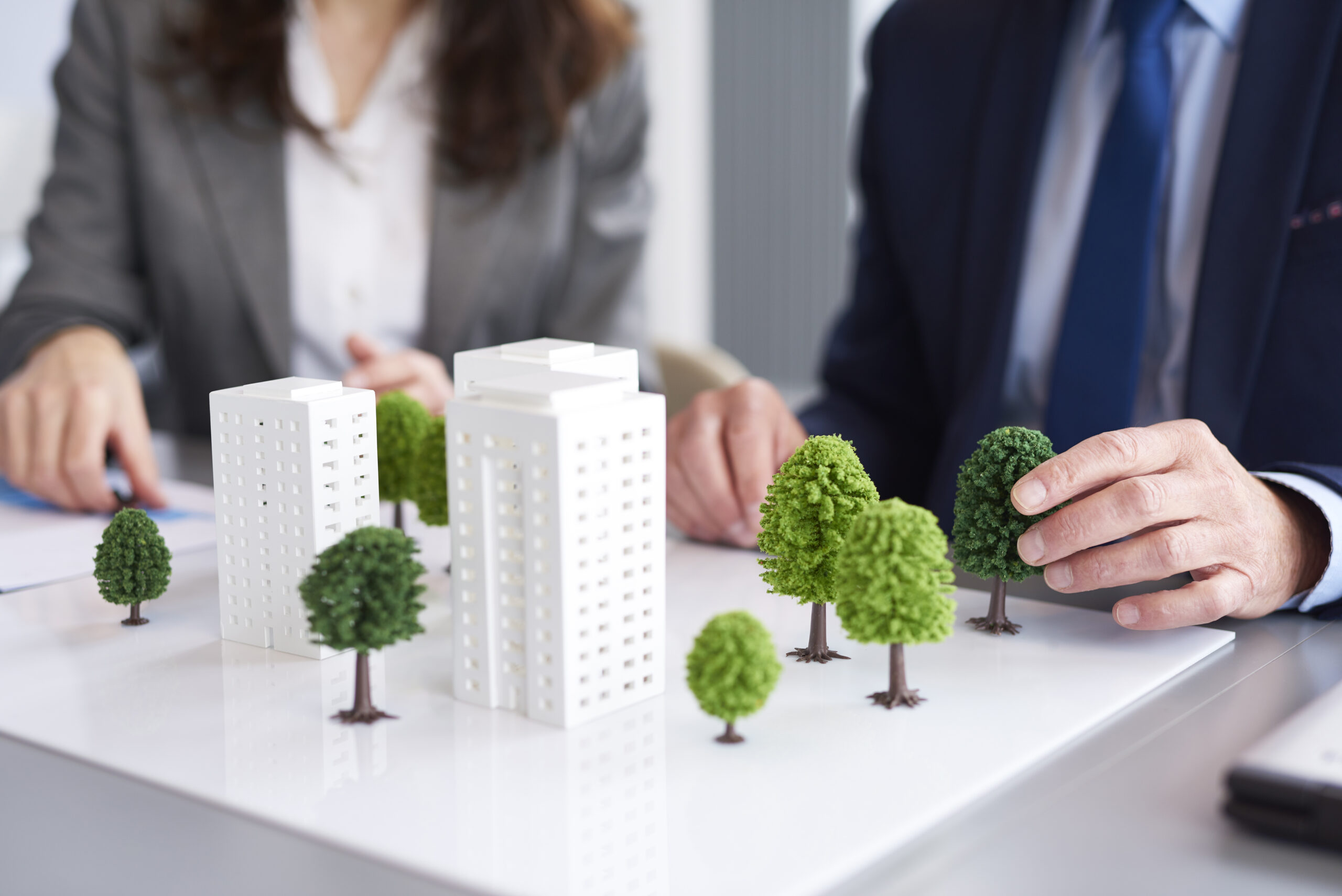
The environmental impact in construction has become one of the most relevant issues in the sector. Construction companies are under increasing pressure to adopt more sustainable practices, reduce their CO₂ emissions and actively contribute to curbing the climate change.
But how do you really measure that impact? In this article, we explain how to evaluate the carbon footprint, what indicators to consider and what strategies to apply to move towards a sustainable construction.
The environmental impact in construction covers all the negative effects generated by the activities of the sector on the environment. Since the use of natural resources Until the generation of waste, every stage of the process—design, execution, operation and demolition—has measurable consequences.
Some of the major environmental impacts include:
Measuring these impacts makes it possible to establish effective policies for energy efficiency and environmental management within construction companies.
The carbon footprint It is one of the most used indicators to measure the environmental impact of a company. It represents the total amount of CO₂ emissions and others greenhouse gases (GHGs) released during the construction, operation and maintenance of a project.
Companies can use tools such as GHG Protocol, the ISO 14064 or the methodology of the European Union to achieve a standardized measurement.
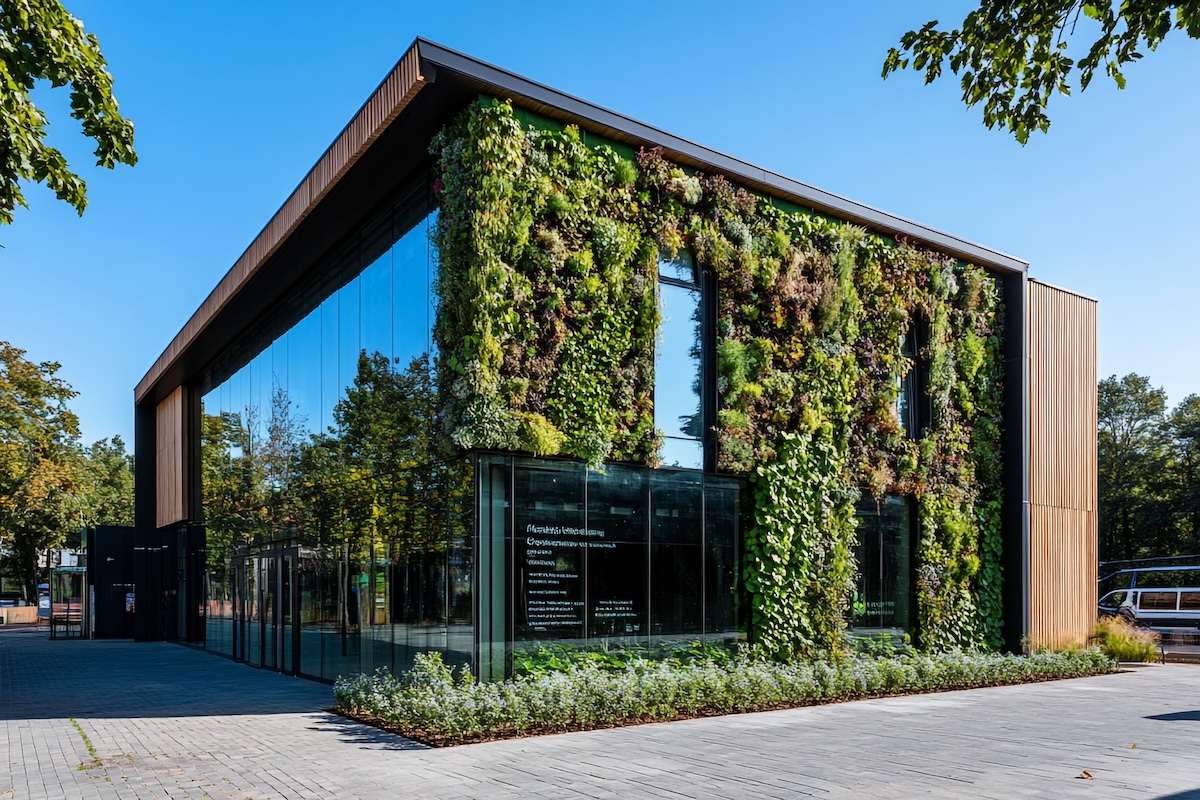
Sustainable construction seeks to minimize the environmental impacts Throughout the lifecycle of the buildings. This includes the design, the choice of materials, the efficiency in the use of energy and the responsible management of waste.
Some effective strategies include:
The use of renewable energy sources It is essential to reduce the carbon footprint. Today, many companies are migrating to systems based on solar energy, wind energy and biomass.
These sources make it possible to reduce the energy consumption derived from fossil fuels and improve the energy efficiency of the projects.
In addition, incorporate LED lighting, motion sensors and efficient electrical equipment contributes significantly to the energy savings in works and buildings.
Evaluate the lifecycle Of the construction materials It is essential to understand your true environmental impact. This analysis (known as LCA or Life Cycle Assessment) examine from the extraction of raw materials Until the disposal or recycling of the materials.
The objective is to identify the critical points of energy consumption, emissions and waste, in order to make more sustainable decisions in the design and execution of projects.
Energy efficiency not only does it improve the profitability of projects, but it also reduces gas emissions And the environmental impact in general.
Some measures that companies can implement include:
These practices do not require large investments and offer a sustained economic and environmental return.
The climate change is a direct consequence of the increase in CO₂ emissions. For this reason, companies in the construction sector must take an active role in Mitigation of the greenhouse effect.
Implement policies of corporate sustainability, training staff and communicating environmental results in a transparent manner are key steps in generating positive impact.
In addition, the environmental certifications (such as EDGE, LEED or BREEAM) allow us to validate the commitment to the sustainable construction and improve brand reputation.
Integrate renewables In the buildings and construction projects is one of the most effective actions to achieve sustainable development goals (SDGs).
Among the most used technologies are:
These solutions reduce environmental impacts, improve the quality of life and they increase the value of real estate in the market.
Measure the environmental impact in construction is the first step in becoming a truly sustainable company.
Get to know the carbon footprint, optimize the construction processes and bet on renewables they are actions that not only benefit the planet, but also boost business competitiveness and efficiency.
Leaf Global. Copyright © 2026. All rights reserved.