He leads projects and consulting services under LEED, EDGE, and FITWEL standards, integrating facade optimization strategies, life cycle assessments, and energy modeling to develop high-performance buildings.
Sustainability has ceased to be a trend and has become an urgent need. In a world marked by climate change, sustainable construction is transforming the way buildings are designed, built and operated. More and more investors recognize that green certifications not only do they benefit the environment, but also They increase the value of real estate and ensure greater long-term profitability.
Green certifications are evaluation systems that measure the environmental impact, the energy efficiency and the responsible use of resources in a building. Among the most recognized are LEED, EDGE, WELL, all of them developed with rigorous criteria to ensure sustainable performance throughout the life cycle of buildings.
These certifications not only analyze the design, but also the workings, the operation And the upkeep of buildings. The result is more efficient projects, with smaller CO₂ emissions, better indoor air quality and a rational use of water And the energy.
Having a green certification has become a competitive advantage in the construction sector, especially in countries that promote sustainability policies aligned with the objectives of the European Union and the global goals for reducing carbon footprint.
Sustainable buildings represent a new way of understanding real estate investment. Beyond operating savings, they generate higher capital value and they increase the demand between buyers and tenants looking for healthier, more efficient spaces and environmentally friendly.
Its integrated design renewables, low impact materials, natural ventilation systems and intelligent technologies that optimize energy and water consumption. In addition, certified projects tend to enjoy tax incentives, reduced operating costs and a constant valuation compared to the traditional market.
Compared to conventional constructions, green buildings offer a higher return on investment due to energy savings, the reduction in expenditures in Air conditioner, lighting and upkeep, as well as a larger tenant retention thanks to the improvement in the quality of life that they provide.
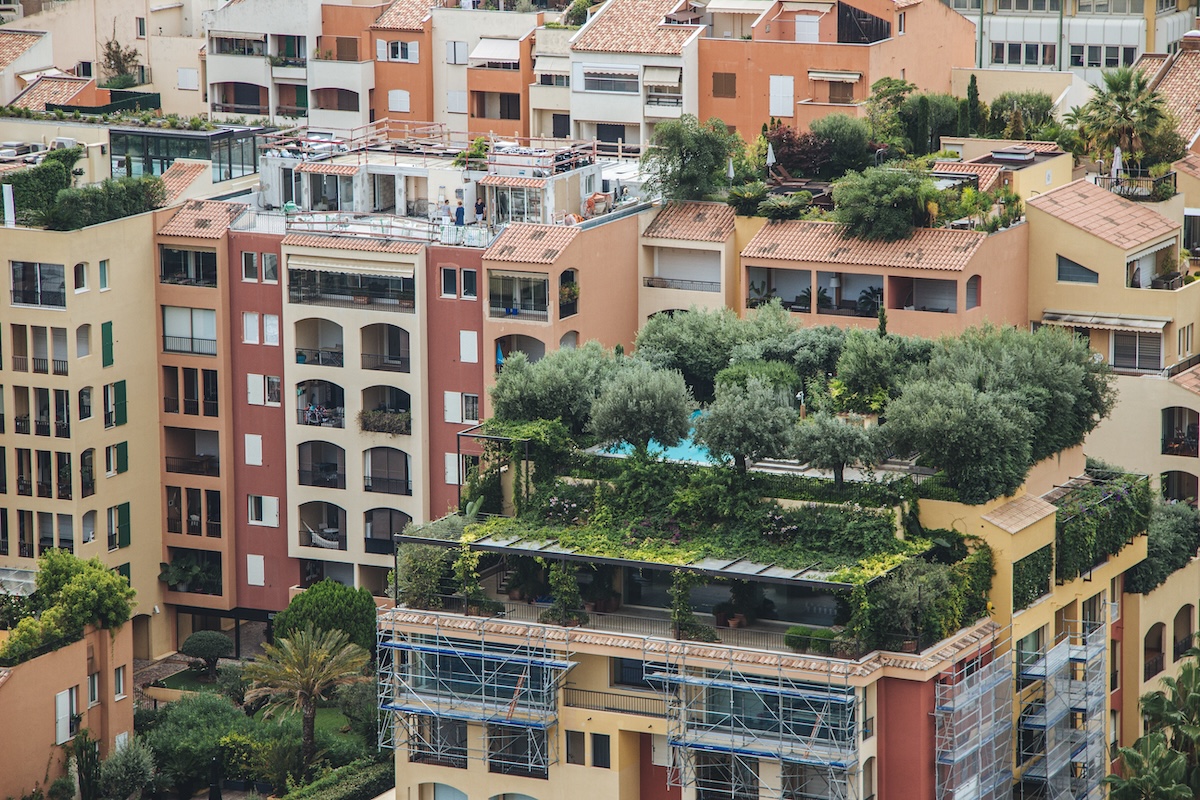
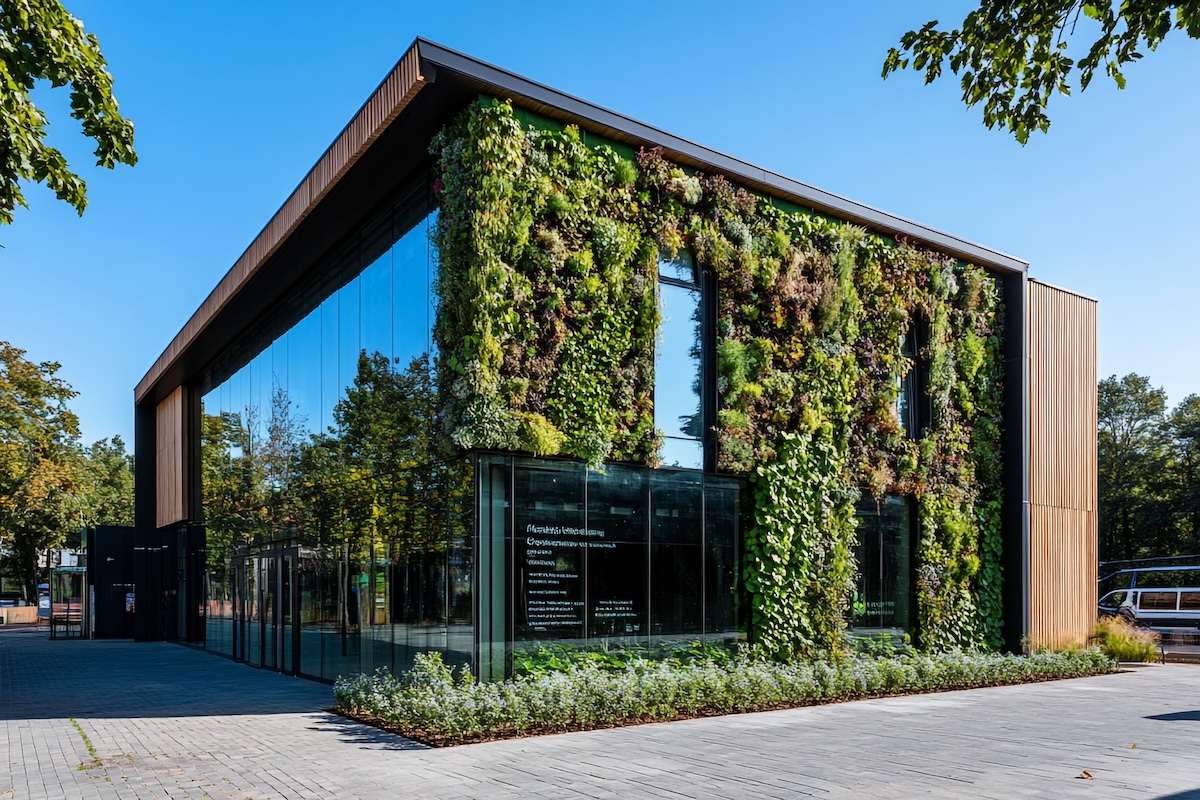
The sustainable construction seeks to minimize the environmental impacts at every stage of the construction process, since the selection of feedstocks Until the operation of the building. This includes the choice of recycled materials, the reduction of energy consumption, the integration of vegetation and vertical gardens, and the use of clean technologies.
This approach translates into more efficient projects, which generate less waste, optimize the use of water and they encourage sustainable habits in cities. In turn, it promotes new employment opportunities in the sector and strengthens the circular economy within the industry.
La energy efficiency and the proper management of resources are key pillars. Incorporate solar energy, water treatment plants and intelligent monitoring systems It allows you to reduce the carbon footprint and improve the profitability Of each undertaking.
Around the world, there are emblematic projects that reflect how sustainability can coexist with avant-garde architectural design.
Iberdrola Tower It is one of the sustainable buildings most recognized in Europe. This skyscraper is certified LEED Platinum thanks to his high energy efficiency, the use of renewables and its innovative system of consumption management. In addition, it prioritizes the indoor air quality And the water savings, consolidating itself as a model of sustainable construction In the European Union.
Designed by the architect Stefano Boeri, the Vertical Forest (Vertical Forest) redefines the relationship between architecture and nature. With more than 900 trees And 20,000 storeys, this residential complex acts as a natural air filter, reducing the Greenhouse effect and improving the microclimate urban. It's an iconic example of how vegetation integrated into the green buildings Contributes to the energy efficiency and the well-being of the inhabitants.
One Central Park It is another symbol of the sustainable architecture contemporary. Your system of Renewable energy, the integration of vertical gardens and the use of solar energy make it a world reference. This project demonstrates that the sustainability Not only does it reduce the environmental impacts, but also The value of homes increases and generates a deeper connection with the environment.
Invest in sustainable buildings it is a cost-effective and strategic decision. According to studies from the construction sector, projects with green certification They can increase their market value by up to 20%, while reducing operating costs up to 30%.
Companies and developers that are committed to sustainability not only do they improve their reputation, but they also actively contribute to Reducing climate change, boosting more resilient cities And a Most habitable planet.
Green certifications they are no longer a luxury, but a strategic need for the future of the construction. Adopting them involves improve energy efficiency, reduce the carbon footprint, and offer healthy spaces that adapt to the new urban habits.
In a global context where the real estate sector It represents a large part of the greenhouse gas emissions, bet on the sustainable construction It is to invest in the future of planet, in the quality of life of people and in the lasting value of real estate.
Leaf Global. Copyright © 2026. All rights reserved.