He leads projects and consulting services under LEED, EDGE, and FITWEL standards, integrating facade optimization strategies, life cycle assessments, and energy modeling to develop high-performance buildings.

In the world of architecture and sustainable urban planning, certification systems such as SITES and LEED have emerged as key tools to guide responsible design and construction.
Although both can work independently, their joint application offers powerful synergies that allow the environmental, social and economic results of a project to be enhanced.
In this blog, we will analyze how SITES and LEED complement each other, which credits can be substituted for each other, and how these synergies benefit project teams and the built environment.
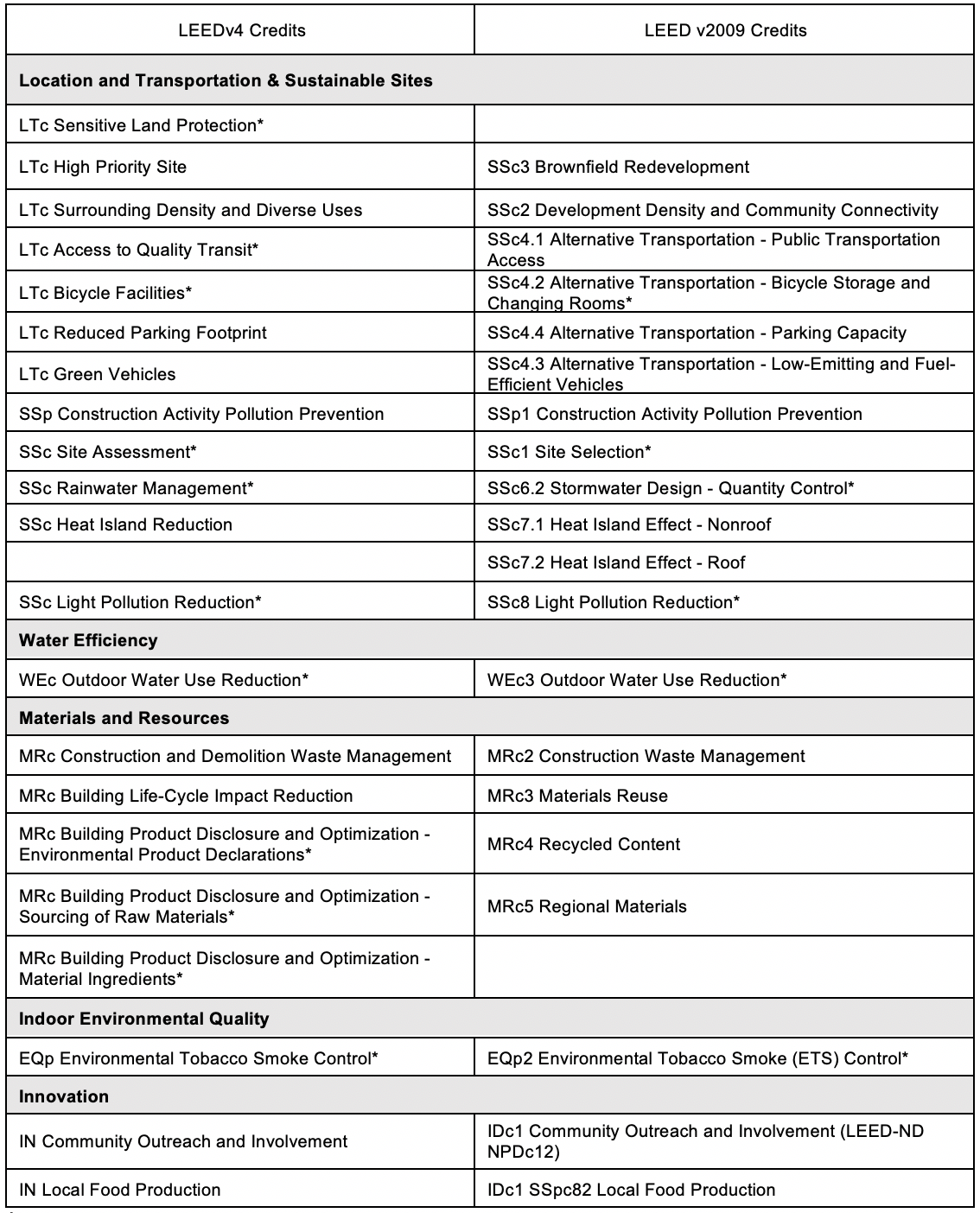
*New synergy added. Source: sustainablesites.org
To begin with, it is essential to understand what they are SITES and LEED. Both are rating systems that promote sustainability, but they do so from different perspectives. While SITES focuses on landscapes and outdoor spaces, LEED is dedicated to evaluating the sustainability of buildings and construction projects. Although they can be used independently, the real magic happens when they are combined, creating projects that are not only efficient, but also harmonious with their environment.
The collaboration between SITES and LEED allows us to address all aspects of a development project, from the structure of the building to the outdoor spaces.
SITES (Sustainable SITES Initiative), managed by Green Business Certification Inc. (GBCI), is a rating system designed to evaluate sustainability in landscapes and outdoor spaces. This system focuses on the planning and design of these spaces, applying to everything on site, except the building, with some exceptions.
Projects that can obtain SITES certification include:
The philosophy of SITES is to create outdoor spaces that are aesthetically pleasing and that favor the environment. This is achieved through design practices that promote efficient water management, the restoration of natural habitats and the creation of spaces that improve the quality of life of communities.
LEED (Leadership in Energy and Environmental Design) is a recognized certification system that evaluates the comprehensive sustainability of buildings and construction projects. Its approach covers multiple categories, such as energy efficiency, responsible water use, indoor air quality, material selection and waste management.
LEED applies both to the building and to its immediate environment, promoting practices that minimize environmental impact and promote the well-being and health of occupants. This system, internationally endorsed and aligned with standards such as those of the International WELL Building Institute, offers a structured framework for designing, constructing and operating buildings that contribute to the fight against climate change and improve the quality of life.
Both systems share a common vision of sustainability, but they focus on different scales. LEED for Neighborhood Development (LEED ND) evaluates community-level projects, while SITES delves into site and landscape design. Using both broadens the scope of sustainability, from urban to ecological.
One of the main benefits of these synergies is the possibility of replacing credits between SITES and LEED, mutually recognized by Green Business Certification Inc. (GBCI).
It's important to note that certifications must share a consistent project limit and that credits must have been awarded within the last two years to be considered valid.
Some SITES v2 credits can count as innovation credits in LEED ND v4. For example:
Also, some LEED ND credits can be used as an innovation in SITES, such as:
A big advantage of using both systems is that much of the documentation can be reused. This reduces time and facilitates technical review. Some documents that can be shared:
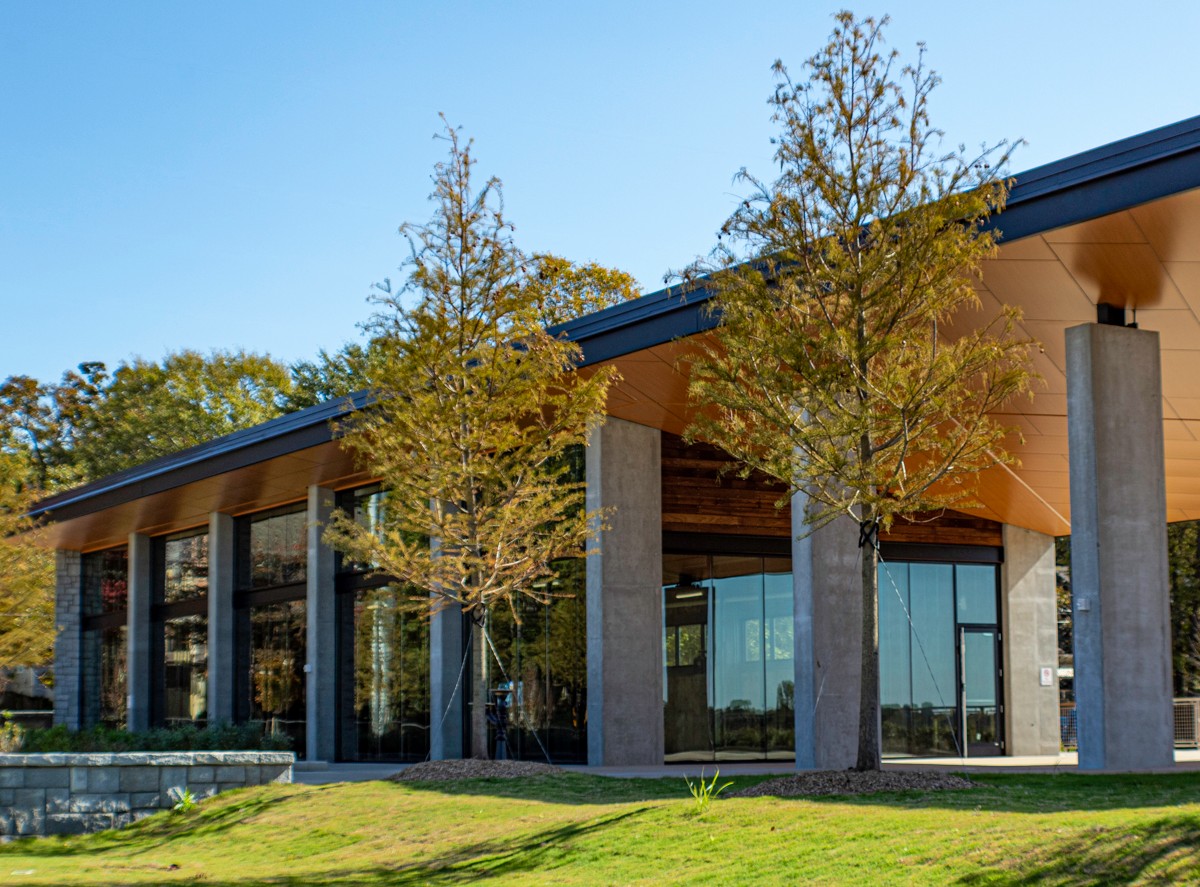
Image from usgbc.org
In 2018, the city of Atlanta initiated the Grant Park Gateway project to improve access to Zoo Atlanta and the Beltline, addressing traffic congestion and safety in the area. The project transformed an old asphalt parking lot into a space that includes more than 1,000 parking spaces, 2.5 acres of green areas and a terrace with a restaurant.
It is the first project in the world to obtain LEED, SITES and Parksmart certifications.
This project is an example of how it is possible to respond to an urban need in a harmonious way with the natural environment.
Certification systems SITES and LEED not only are they compatible, but they are mutually reinforcing when applied together. While LEED focuses on the sustainability of the building and its energy performance, SITES delves into the planning and design of outdoor spaces and landscapes, promoting solutions that restore ecosystems and improve the quality of life.
Take advantage of synergies between SITES and LEED allows project teams to integrate more comprehensive practices, reduce administrative burden and achieve higher levels of certification with less effort, thanks to the cross-recognition of credits. This strategic combination strengthens the environmental, social and economic impact of the project, aligning it with the global objectives of sustainable architecture and responsible urban development.
Do you want to certify with LEED and/or SITES? , contact us.
Leaf Global. Copyright © 2026. All rights reserved.