He leads projects and consulting services under LEED, EDGE, and FITWEL standards, integrating facade optimization strategies, life cycle assessments, and energy modeling to develop high-performance buildings.
In an increasingly urbanized world, where concrete and asphalt dominate the landscape, an urgent need arises: to reconnect our cities with nature. Simone Borelli, FAO forestry officer, highlights the importance of promoting sustainability in cities through initiatives that address climate change and its effects on urban areas, stressing that trees and urban green spaces play a vital role in improving the well-being and resilience of cities in the face of climate change (FAO, 2023).
An Urban Green Infrastructure (IVU) is a powerful and necessary solution to achieve this. Not only does it improve the urban environment, it also offers environmental, social and economic benefits that directly impact the health and well-being of those who live in cities.

Infographic from the World Resources Institute
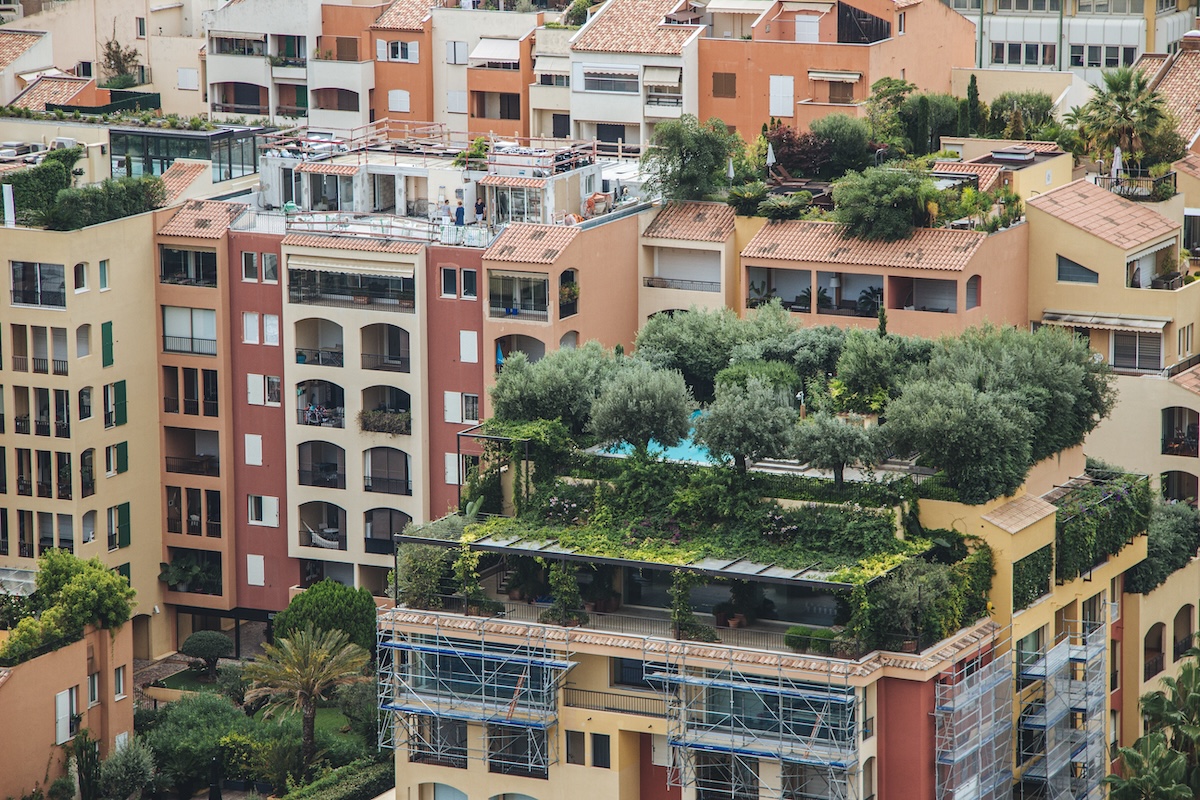
Urban green infrastructure is a planned network of natural and semi-natural spaces integrated into the fabric of the city. It includes parks, gardens, green roofs and walls, ecological corridors, urban wetlands, sustainable drainage systems (such as natural rainwater drainage or rain gardens), and others. It is crucial to update regulations on rainwater management and land use to integrate sustainable solutions.
More than just green areas, these spaces are designed to fulfill key functions in the functioning of the city and to generate environmental and social value. Green infrastructure must be addressed from multiple spatial and temporal scales to maximize its positive impact.

Infographic prepared by FAO
Including green infrastructure in urban design is no longer a luxury, it's a necessity. We'll tell you why:

Treeconomics infographic
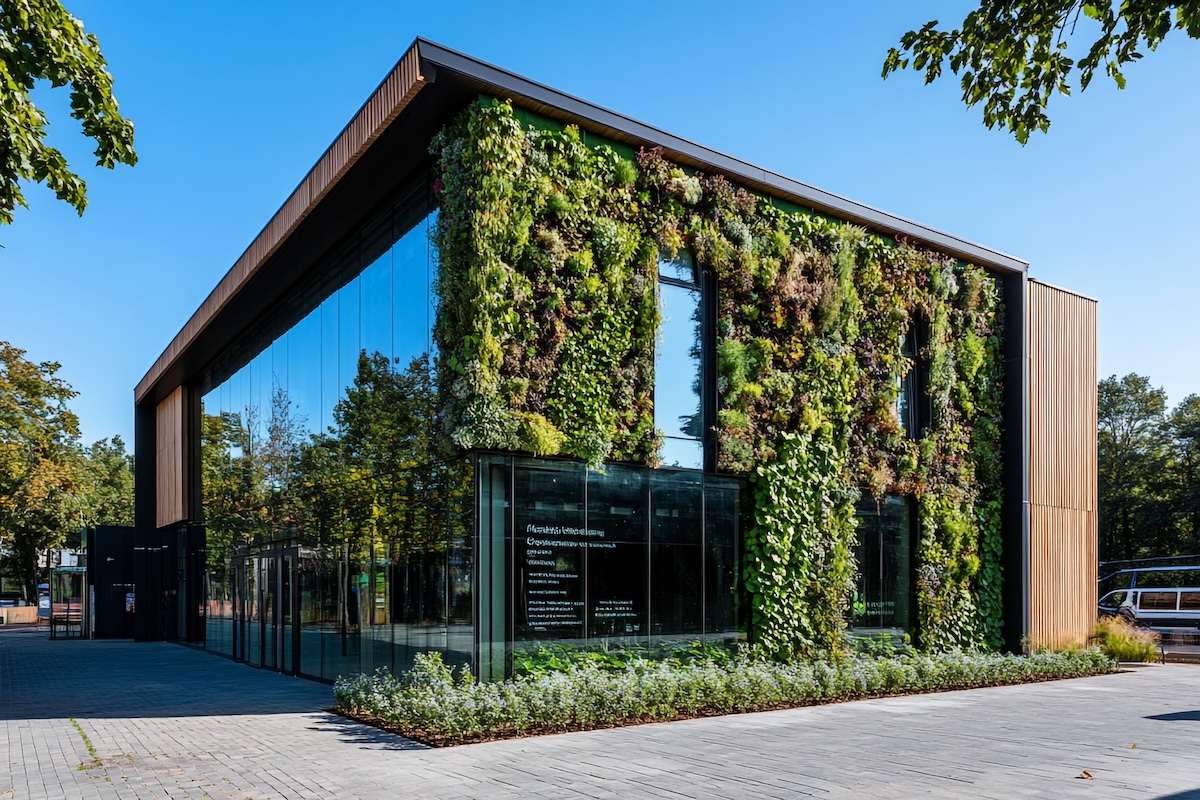
Integrating green infrastructure from the urban design stage makes it possible to optimize resources, improve building efficiency and contribute to the fulfillment of sustainability objectives. In environmental certifications such as LEED, SITES or EDGE, nature-based strategies are recognized and valued for their positive impact on issues such as water efficiency, thermal comfort, biodiversity, health and community. Implementing sustainable solutions at different scales is crucial to effectively address urban problems.
Cities can apply various forms of green infrastructure and nature-based solutions to maximize the positive impact on its environment and on the quality of life of its inhabitants.
Efficient use of resources in urban planning is essential for creating more sustainable and resilient cities.
Through an integrated approach, cities can implement green infrastructure that not only improves aesthetics, but also contributes to social and environmental well-being.

Image from Sustainable Design Network
Climate change is one of the most pressing challenges facing our cities today. Urban green infrastructure (IVU) is presented as an essential solution to mitigate its effects and adapt to its impacts. The IVU covers the planning, design and management of green spaces and natural areas within cities, with the purpose of improving the quality of life of citizens and reducing the adverse effects of climate change.
The implementation of IVU in cities contributes significantly to the reduction of air and water pollution, improves soil quality and promotes biodiversity. In addition, urban vegetation acts as a natural climate regulator, helping to mitigate extreme temperatures and better manage rainfall. Not only does this improve cities' resilience to natural disasters, but it also creates healthier and more livable environments for their inhabitants.
Despite the many benefits offered by urban green infrastructure, its implementation faces several challenges. One of the main obstacles is the lack of funding and resources necessary for the effective planning and management of these projects. Investing in IVU requires a significant financial commitment, which is often not available in municipal budgets.
Another crucial challenge is the integration of the IVU into urban planning and city management. It is essential that green infrastructure is not considered an isolated element, but rather an integral part of urban development. This involves effective coordination between different sectors and levels of government, as well as active community participation.
Education and awareness about the importance of the IVU also play a vital role in its success, since informed and committed citizenship is key to the sustainability of these projects.
In short, while implementing urban green infrastructure presents significant challenges, the long-term benefits to the quality of life, resilience and sustainability of our cities make it worth the effort.

One Central Park in Sydney (LEED certified). Image by Murray Fredericks.
More and more cities in the world are demonstrating that it is possible to integrate nature in the midst of concrete and asphalt, betting on a more sustainable and resilient urban development.
In Singapore, for example, the Bay Garden and the hotel PARKROYAL on Pickering are symbols of how architecture can coexist with vegetation and energy efficiency. These projects have been recognized with certifications such as LEED, and serve as an inspiration to other cities that seek to innovate in their urban spaces.
Something similar happens in New York, where the transformation of an old elevated railroad in the park High Line has given new life to the city, while Paris promotes policies that promote green roofs as part of its strategy to adapt to climate change.
A prominent case is that of Sydney, where One Central Park combines vertical gardens, mirror systems that redirect natural light and energy efficiency and water recycling technologies. This building is not only visually impressive, but it has also been recognized with the LEED Platinum certification, confirming its high environmental performance.
In Mexico, the Torre Reforma in Mexico City stands out for its commitment to sustainability, being one of the tallest buildings in the country to obtain LEED Platinum certification. With features such as the use of renewable energy and water saving systems, this tower is a benchmark for green architecture in one of the largest and most polluted cities in the world.
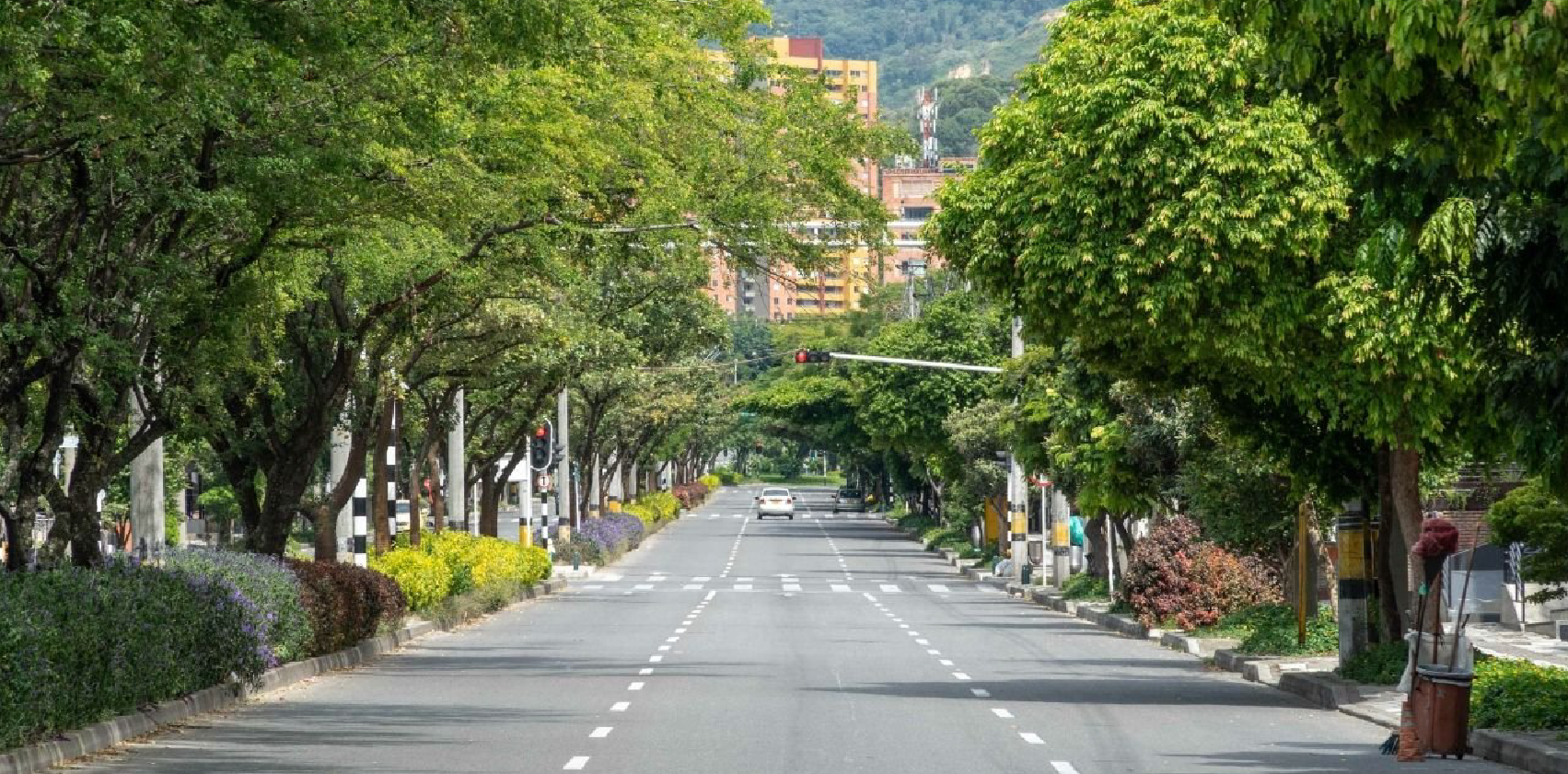
A notable example in Colombia is the green corridors project in Medellín. This initiative seeks to connect natural and urban areas through a network of green spaces, promoting sustainable mobility and improving the quality of life of the inhabitants. Green corridors not only provide a break in the middle of the city, but they also contribute to reducing CO2 emissions, improving air and local biodiversity.
Finally, Copenhagen has adopted a comprehensive approach by incorporating green roofs, sustainable urban drainage and extensive ecological corridors, which in addition to beautifying the city, help reduce the risk of flooding and improve the quality of life of its inhabitants.
Although the focus of this blog is on green infrastructure, we cannot fail to mention that one of its key pieces is the urban forestry, that is, the strategic management of trees within the city.
Planning, maintaining and protecting urban trees ensures that this living infrastructure performs its function safely and efficiently over time. Proper maintenance of urban trees, including activities such as pruning, fertilization and irrigation, is crucial to their health and development.
In addition, it is essential to create collaborative networks in urban forestry to exchange information and effective strategies. The participation of people in the management of urban resources is also essential to ensure their sustainability.
Urban green infrastructure is a vital investment for the future of cities. Committing to integrating nature into urban spaces means creating more resilient, healthy and pleasant places to live. Adapting to climate change is one of the biggest challenges facing cities today, and having sustainable solutions is key to tackling it.
Leaf Global. Copyright © 2026. All rights reserved.