He leads projects and consulting services under LEED, EDGE, and FITWEL standards, integrating facade optimization strategies, life cycle assessments, and energy modeling to develop high-performance buildings.
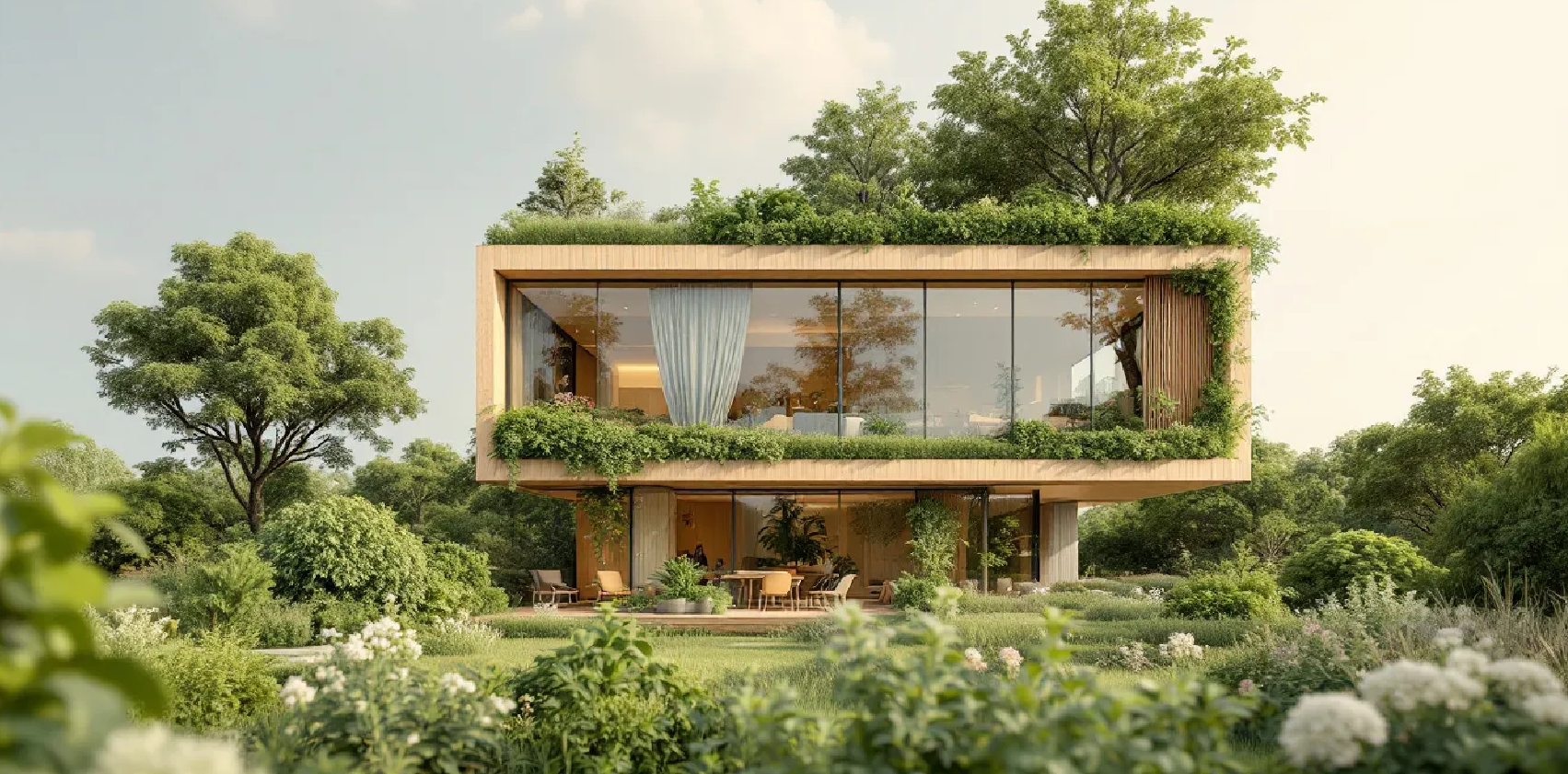
Eco architecture, also called sustainable architecture, is a design that reduces the environmental impact of buildings. It uses natural resources efficiently and promotes renewable energy. In addition, it improves air quality and occupant comfort. In this blog you will learn What is eco architecture: all its advantages.
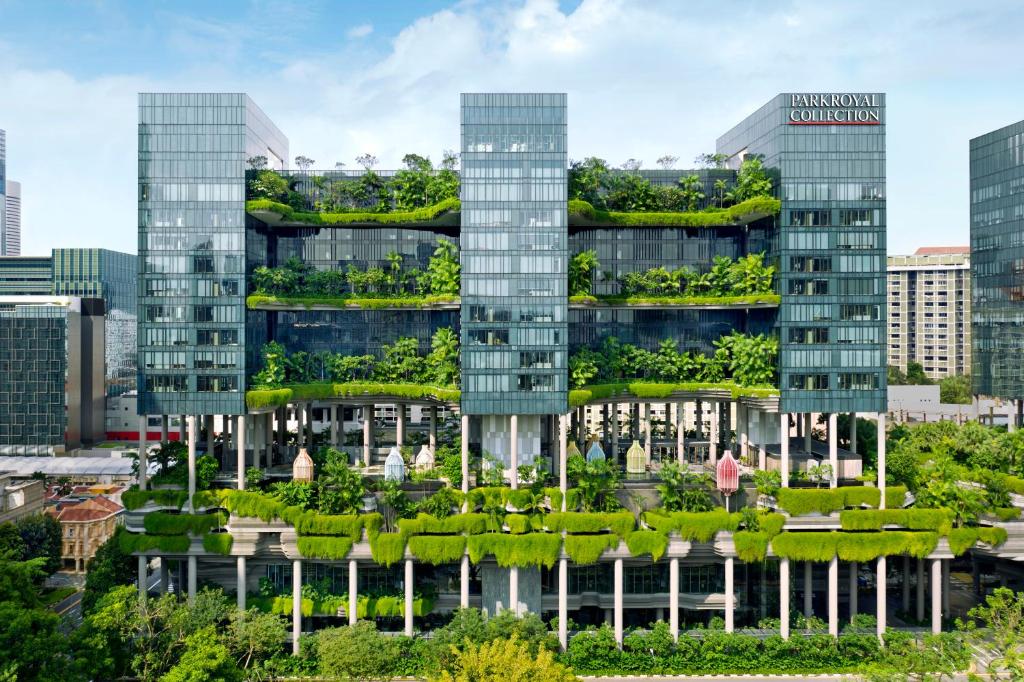
PARKROYAL COLLECTION Pickering, Singapore
Eco architecture, also known as ecological or sustainable architecture, is an approach to architectural design that efficiently uses natural resources to minimize environmental impact.
Its main objective is to minimize environmental impact in the construction sector, promoting the conservation of natural resources and sustainability.
This approach is characterized by integrating climate and local ecosystems into the design, optimizing the use of resources and reducing the consumption of fossil fuels. Eco architecture assesses the environmental impact of building design and construction to promote long-term sustainability.
Eco architecture is guided by fundamental principles that seek sustainability at all stages of a building's life cycle. Not only do these principles promote more sustainable development, but they also benefit both the environment and the health of residents.
These principles include energy efficiency, the use of renewable energy, the choice of ecological and recycled materials, as well as effective waste management and recycling. Each of these aspects is essential to achieve sustainable and environmentally friendly architecture.
Energy efficiency is a key objective in eco-architecture. This approach seeks to achieve a positive energy balance and ensure the habitability of buildings through the use of passive design techniques and smart windows.
For example, adequate thermal insulation can significantly reduce dependence on heating and air conditioning systems, achieving up to 90% energy savings compared to conventional buildings.
In addition, eco-architecture encourages the use of renewable energies, such as solar and wind, to improve the energy efficiency of buildings. A prominent example is the Pixel Building in Australia, which combines solar panels, rainwater harvesting and grey water recycling to achieve a neutral carbon balance.
On the other hand, the Susques Bioclimatic Hospital, in Argentina, uses solar energy for heating and domestic hot water, complementing it with passive bioclimatic design strategies to optimize thermal comfort and reduce energy consumption.
The choice of materials is crucial in eco architecture. Materials such as:
These naturally based and reusable materials not only reduce environmental impact, but they also contribute to the health and well-being of occupants by preventing health problems such as allergies and respiratory diseases. In addition, the material used in its manufacture is key to its effectiveness.
The use of recycled materials, such as ecological concrete, is also common in eco-architecture, helping to significantly reduce CO2 emissions. An innovative example is the TuboHotel in Tepoztlán, built with recycled concrete tubes, demonstrating how recycled materials can be used creatively and efficiently.
Waste management is another fundamental pillar of eco-architecture. The construction sector generates a large amount of waste that cannot be recycled, which significantly affects the environment. Implementing an effective waste management system during construction is vital to reducing environmental impact.
Waste treatment methods in eco architecture include filters, biological stabilization, compost production and material recycling.
In addition, digitalization in construction allows for more efficient planning and execution, reducing waste and thus contributing to sustainability.

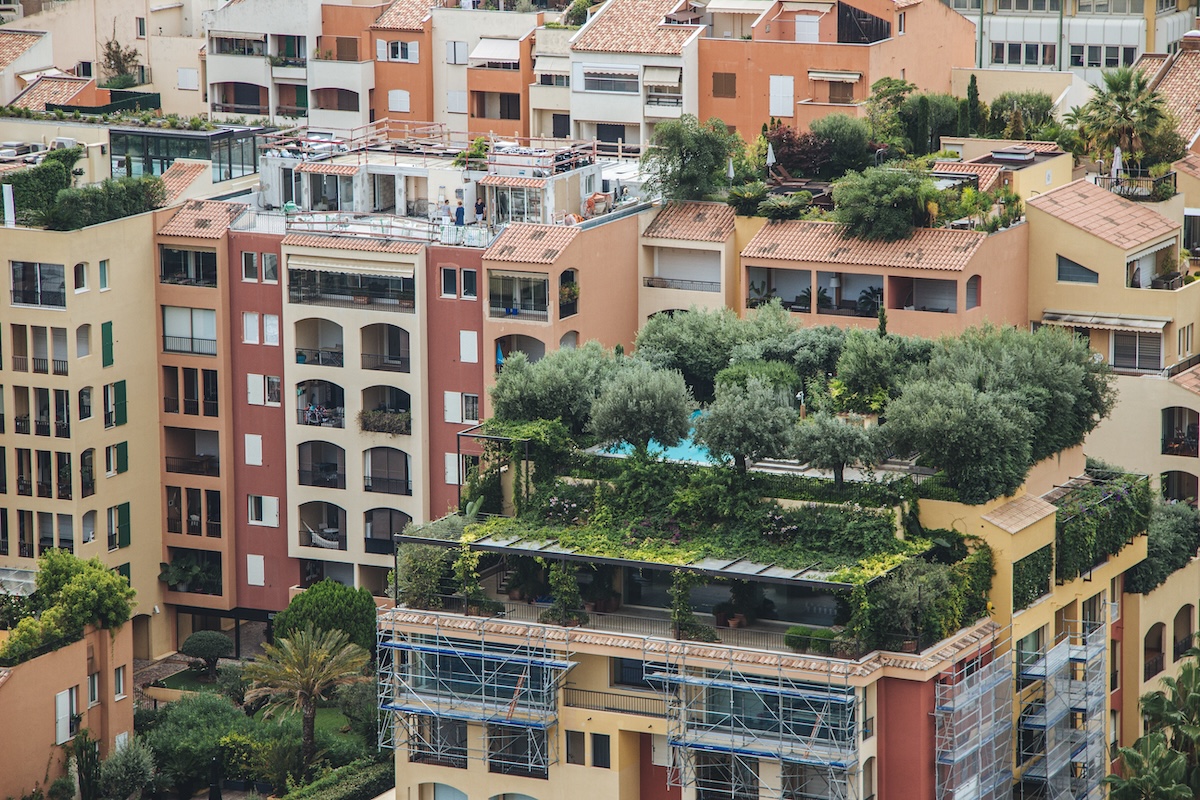
Image from Pixabay
Green architecture offers numerous advantages, not only for the environment, but also for people's quality of life. By prioritizing the health and well-being of its occupants, eco architecture creates spaces that promote a harmonious relationship with the natural environment.
These advantages include a reduction in the carbon footprint, better indoor air quality and greater comfort and well-being for the residents of the home. Each of these aspects contributes to the creation of sustainable and healthy buildings.
Reducing the carbon footprint is one of the fundamental strategies of eco-architecture to combat climate change.
The use of thermal insulation in construction contributes to the reduction of polluting gas emissions, while the origin of the materials used directly affects the carbon footprint due to transportation to the construction site.
In addition, the treatment and management of waste during construction are crucial to minimize environmental impact and contribute to sustainability. Eco architecture, therefore, plays a vital role in creating buildings with a significantly reduced carbon footprint.
Eco architecture also improves indoor air quality in buildings.
The use of natural ventilation can reduce the need for mechanical systems, thus improving air quality inside buildings. This ventilation helps maintain optimal oxygen levels and reduces the build-up of indoor pollutants.
In addition, the use of non-toxic materials in buildings helps prevent indoor air pollution, benefiting the health of occupants. Incorporating these materials contributes to a healthier environment within green buildings, mitigating problems such as Sick Building Syndrome.
The comfort and well-being of the occupants are key aspects in eco-architecture. The implementation of design elements, such as cross ventilation, contributes to a higher level of acoustic and thermal comfort in green buildings.
Green homes are designed to regulate temperature efficiently, thus increasing the thermal comfort of their occupants.
In addition, designs that integrate natural light and adequate ventilation considerably improve occupants' well-being. These characteristics make spaces not only more habitable, but also more pleasant and healthy to live in.

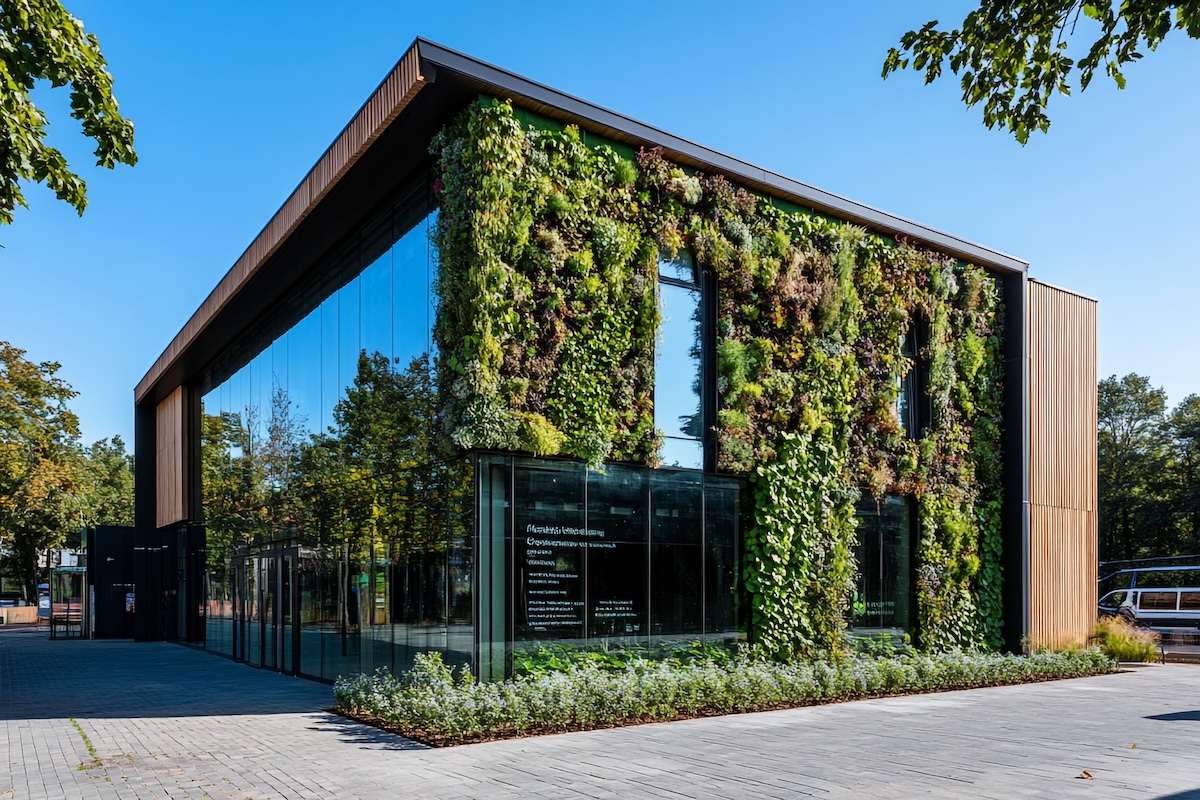
Bishan Library. Image taken from archdaily.pe
The viability and benefits of eco-architecture can be seen in several successful projects around the world. A prominent example is the Bishan Community Library in Singapore, which incorporates skylights and lattices to maximize natural light, reducing energy consumption and creating a comfortable study environment.
Another case is that of straw houses in Mexico, which use natural materials such as straw and adobe, providing ecological, thermally efficient and accessible housing solutions, especially in rural areas.
For its part, the Sustainable Dance Club in Rotterdam, the Netherlands, is an innovative example of piezoelectric technology applied to sustainability. This nightclub generates energy from the movement of the dancers on its special dance floor, demonstrating how technology can be creatively integrated into sustainable projects.
These examples reflect the diversity of approaches that eco-architecture can adopt to promote sustainability in different contexts.

The future of eco-architecture is promising and is emerging as a key trend in construction in the coming years. Countries such as Germany are already considering eco-architecture in the construction of sustainable housing, showing a growing commitment to sustainability.
However, challenges such as regulatory adaptation and the initial costs of green technologies remain barriers to overcome. As we move forward, innovation and collaboration will be essential to making eco-architecture a common and accessible practice around the world.
In short, eco architecture represents a necessary evolution in the way we design and build our spaces. Through principles such as energy efficiency, the use of environmentally friendly materials and effective waste management, this approach not only benefits the environment, but also the health and well-being of its occupants.
As we face increasing environmental challenges, eco architecture offers a clear and viable route to a more sustainable future. Let us be inspired by successful examples and adopt practices that allow us to live in harmony with our environment.
Eco architecture is an architectural design approach that focuses on the efficient use of natural resources, seeking to reduce environmental impact and integrating climate and local ecosystems. This type of architecture promotes a balance between human development and environmental conservation.
The fundamental principles of eco-architecture are energy efficiency, the use of ecological and recycled materials, as well as effective waste management and recycling. These aspects are crucial for designing sustainable buildings that minimize environmental impact.
Eco architecture contributes significantly to reducing the carbon footprint by implementing thermal insulation, using local materials and properly managing waste. These practices minimize environmental impact and promote sustainable development.
In eco-architecture they are used sustainable materials such as wood, cellulose, bamboo, sheep's wool, cork and ecological paints, which contribute to a lower environmental impact. These materials promote energy efficiency and respect for the environment.
There are several successful projects in the field of eco-architecture, such as the Pixel Building in Australia, the Susques Bioclimatic Hospital in Argentina and the Sustainable Dance Club in Rotterdam. These initiatives stand out for their focus on sustainability, energy efficiency and the use of green materials.
Leaf Global. Copyright © 2026. All rights reserved.