In the world of sustainable construction, an innovative biomaterial is emerging as a promising alternative to conventional cement: biocement made from algae. This substitute for the most used construction material in the world has amazing properties, paving the way for greener and stronger structures.
What is Algae Biocement and How Is It Produced?
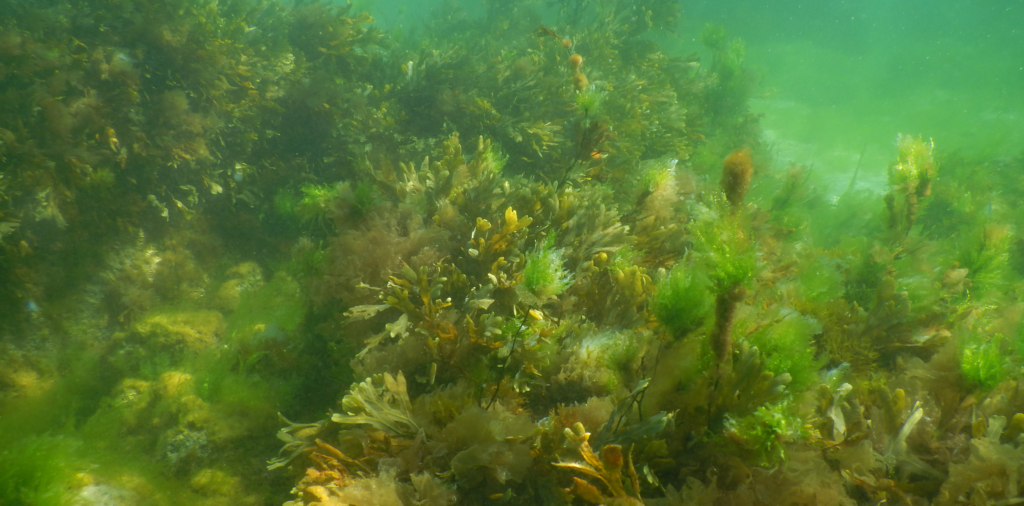
Algae biocement is a variant of traditional cement that incorporates bacteria and microalgae, known as Coccolithophores. These single-celled microorganisms are covered by microscopic plates of calcium carbonate, the same mineral found in marine shells and skeletons. The production of this biomaterial is emerging as a sustainable option, since its emissions are practically zero.
Environmental Benefits of Biocement
Research led by the University of Colorado Boulder team suggests that this biomaterial could reduce up to 60% of the emissions associated with conventional cement manufacturing. This fact makes it a cleaner and more environmentally friendly option.
Other Innovative Uses of Algae in Construction
- Structural Biocomposites: Algae are used to create biocomposites, materials reinforced with biological fibers. These biocomposites are ideal for manufacturing structural elements such as panels and beams, offering a sustainable alternative to steel and cement.
- Ecological Bioplastics: Algae are key components in the manufacture of bioplastics, providing an environmentally friendly alternative to conventional plastics. Its polymers are used for coatings, finishes and non-structural elements.
- Water Filtration and Purification: In construction, algae play a crucial role in wastewater filtration and purification systems. Its ability to absorb pollutants and nutrients helps to improve water quality before it is released to the environment.
Extraordinary Benefits of Algae in Construction
- Self-Healing and Resistance: Unlike conventional cement, algae biocement has properties of “self-healing”, avoiding cracks and dampness over time. In addition, according to tests from the Fraunhofer Institute for Construction Physics, algae offer resistance to microbial degradation and fireproof properties.
- Thermal and Acoustic Insulation: Algae stand out for their capacity as a thermal and acoustic insulator, providing a natural solution without the need for complex transformation processes or the use of chemicals.
- CO2 absorption: During photosynthesis, algae absorb CO2, contributing to the reduction of carbon emissions. Innovative projects, such as seaweed totems in Madrid, explore creative ways to use algae to offset emissions produced by human activity.