He leads projects and consulting services under LEED, EDGE, and FITWEL standards, integrating facade optimization strategies, life cycle assessments, and energy modeling to develop high-performance buildings.
Discover what EDGE certification is and how it is transforming sustainable construction in Mexico through greater energy efficiency, resource savings, and reduced environmental impact.
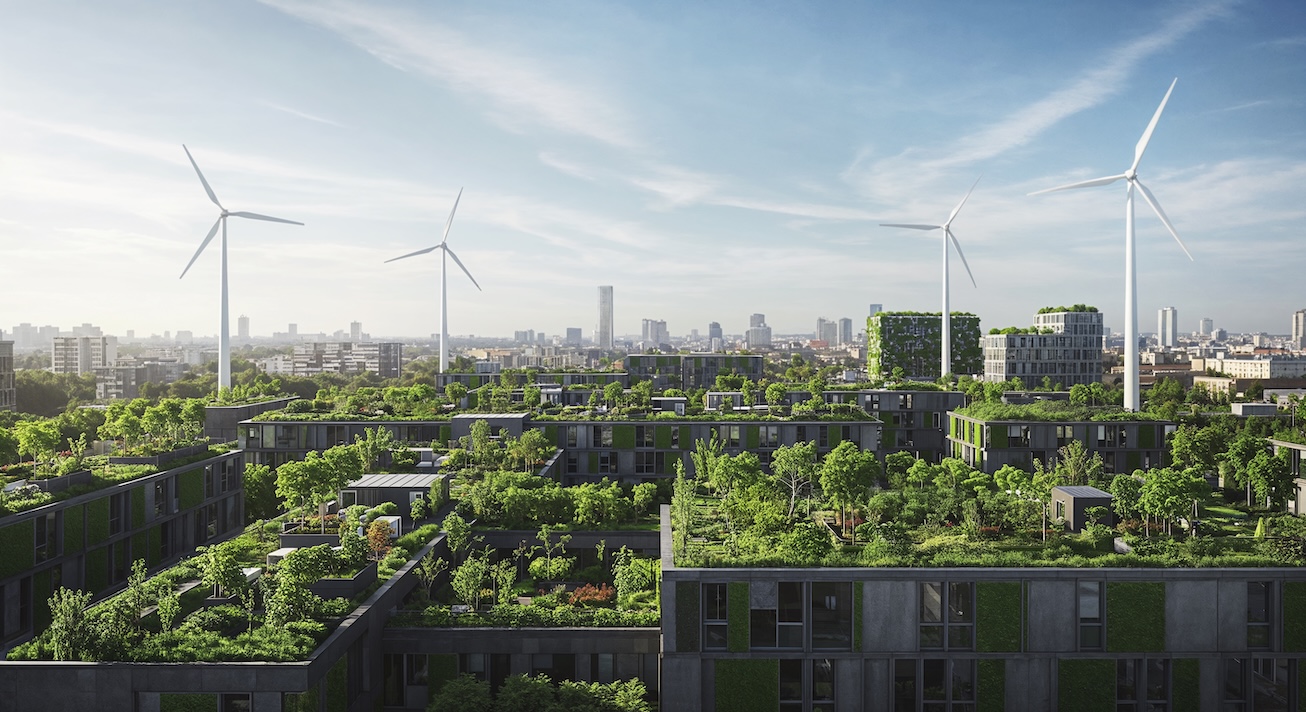
EDGE certification in Mexico has become one of the key drivers of sustainable construction, reshaping how buildings are designed, built, and operated. In a context defined by climate change, rising CO₂ emissions, and increasing pressure on natural resources, EDGE stands out as an accessible, measurable, and scalable solution.
Today, developers, investors, and companies are adopting this standard to improve energy efficiency, reduce water and material consumption, and increase the value of their real estate projects.
EDGE certification (Excellence in Design for Greater Efficiencies) is a global system designed to promote green buildings by optimizing three core resources: energy, water, and materials.
Unlike more complex certifications, EDGE focuses on achieving measurable improvements, requiring at least:
This approach makes sustainable construction more accessible, especially in emerging markets like Mexico.
The rise of EDGE certification in Mexico is driven by key shifts in the construction and real estate sectors:
Companies and occupants are increasingly prioritizing sustainable buildings that reduce environmental impact and improve quality of life.
Cities are implementing measures to reduce carbon footprint and emissions from buildings.
Efficient use of energy and water leads to significant operational cost savings.
Projects with sustainability certifications are more attractive to investors and financial institutions.
The EDGE certification process combines technology and strategy from design to operation.
The building is evaluated based on its projected energy, water, and material consumption.
A simulation tool compares the project against a baseline building and calculates potential savings.
Key solutions include:
After construction, the project is audited to verify compliance with EDGE standards.
Energy efficiency is one of the main pillars of EDGE certification. Through smart design strategies and efficient systems, buildings significantly reduce energy consumption.
This results in:
Efficient water management is essential, especially in regions facing water scarcity.
EDGE-certified buildings implement:
EDGE promotes the use of materials with lower embodied energy, helping reduce the building’s carbon footprint from the construction phase.
This includes:
Adopting EDGE certification in Mexico offers strong strategic advantages:
Sustainable buildings tend to achieve higher market value.
They stand out in an increasingly demanding real estate market.
Reduced resource consumption leads to better profitability.
Sustainable projects are more appealing to environmentally conscious users and stakeholders.
Mexico’s construction industry is undergoing a major transformation. The adoption of standards like EDGE is redefining how buildings are developed, making sustainability a central pillar.
In the coming years, we can expect:
EDGE certification is not only improving energy efficiency and reducing environmental impact—it is also transforming the real estate business model in Mexico.
By combining sustainability, cost-efficiency, and scalability, EDGE is positioning itself as the standard that is redefining sustainable construction in Mexico, paving the way for more resilient, efficient, and future-ready cities.
Leaf Global. Copyright © 2026. All rights reserved.