He leads projects and consulting services under LEED, EDGE, and FITWEL standards, integrating facade optimization strategies, life cycle assessments, and energy modeling to develop high-performance buildings.

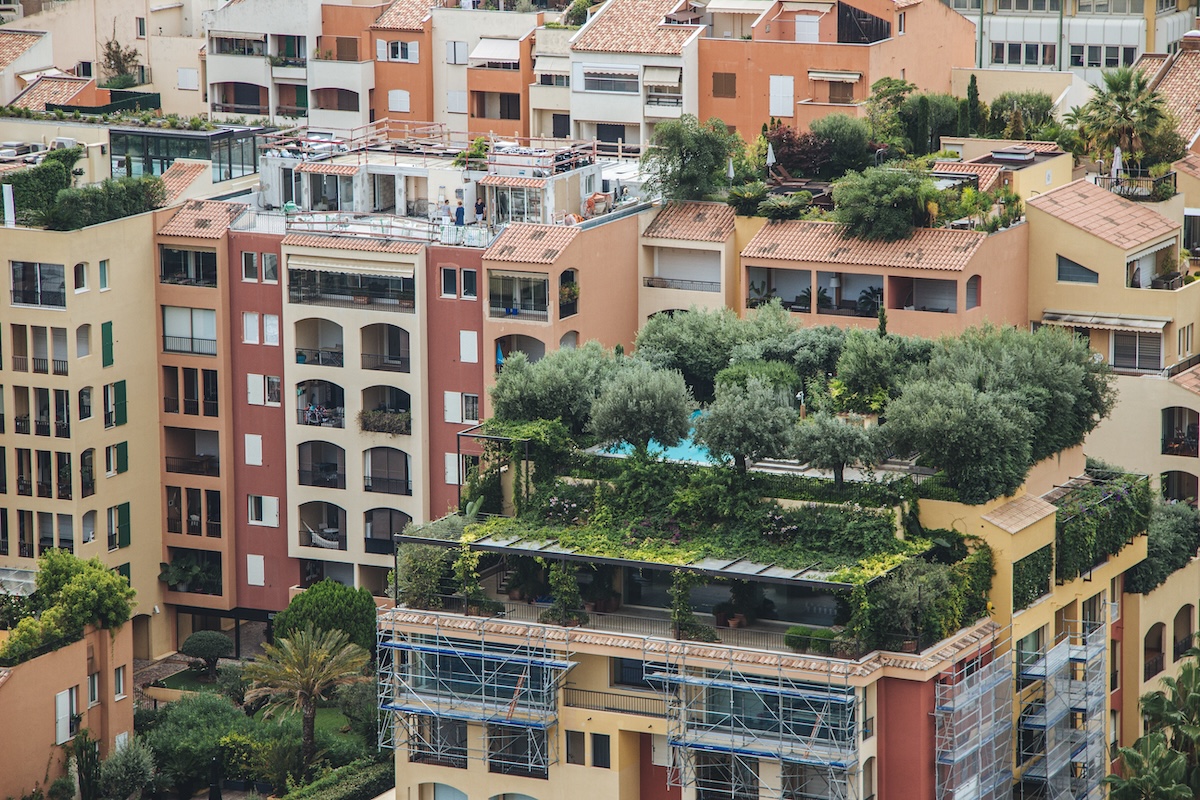
In the current landscape of sustainable architecture, one of the most promising and avant-garde concepts is that of “green roofs”. In a context where urban expansion has given rise to environmental and coexistence challenges, green roofs emerge as an innovative and effective response. These plant systems installed on top of buildings not only transform the appearance of cities, but they also pave the way for a series of environmental and social benefits.
In 2008, the European Commission established the criterion of awarding annually the title of “European Green Capital” to the city that demonstrates an outstanding commitment to adopting sustainable initiatives to improve its environmental environment. The first city to receive this recognition was Stockholm. It was followed by Hamburg in 2011, Vitoria Gasteiz in 2012 and Nantes in 2013.
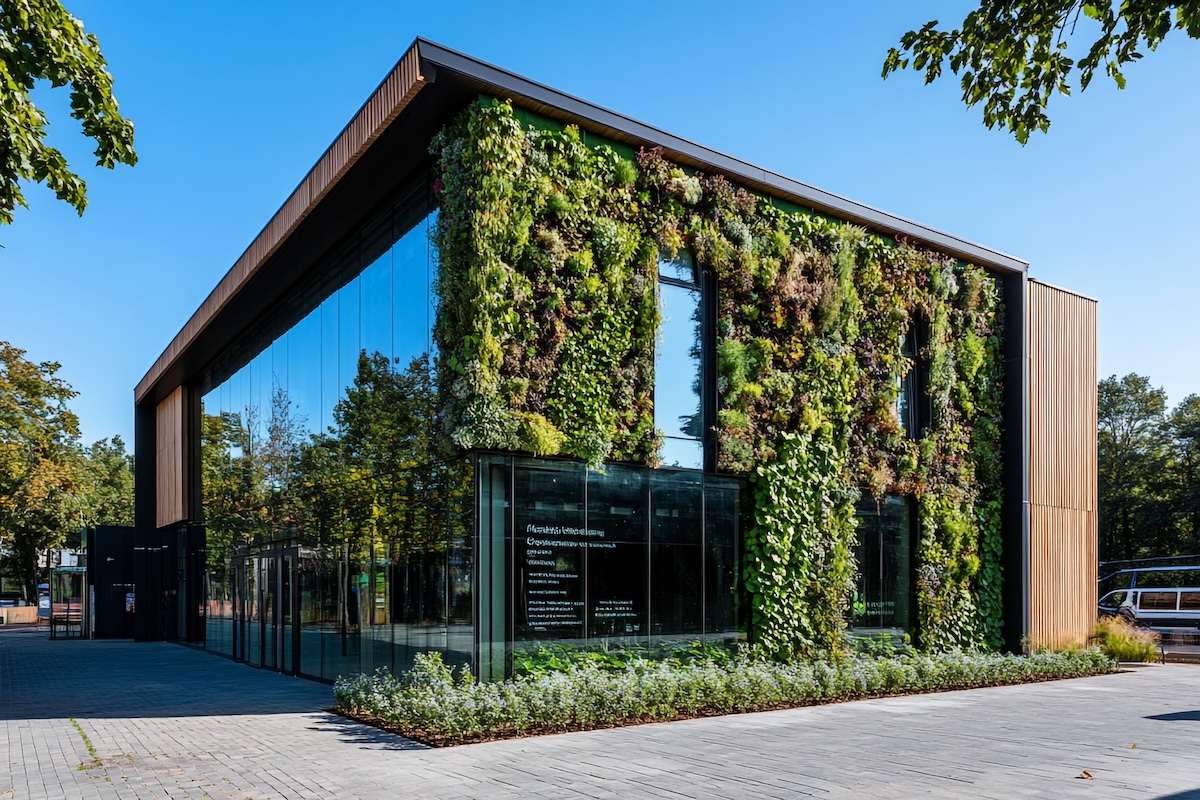
In 2014, the award was awarded to Copenhagen. This city implemented strategic plans for sustainability and the fight against climate change, with a central focus on the mandatory nature of “green roofs” in the new buildings. Copenhagen has achieved a remarkable 40% decrease in its emissions over the last quarter of a century. In addition, it has made it a requirement to include green roofs in its buildings, promoting a more sustainable architecture by incorporating vegetation, plants and gardens into built structures.
We support the notion that the formulation of urban strategies that integrate novel approaches for the use and improvement of roofs, roofs and terraces can have an obvious positive impact on the environment, since this higher dimension of the city has the capacity to:
In the near future, it is very likely that this trend of green roofs will extend to all Argentine cities, and its implementation can be highly beneficial if it is adapted to the climatic, environmental, natural, social, economic, cultural and constructive conditions specific to each location, rather than being a mere superficial or capricious reproduction of experiences taken from other contexts.
Leaf Global. Copyright © 2026. All rights reserved.