Benefits of urban green infrastructure in the face of the challenges of climate change

Home

>

Blog

>

Benefits of urban green infrastructure in the face of the challenges of climate change

Urban Green Infrastructure: Key to Combating Climate Change

Although cities occupy less than 3% of the planet's habitable surface, they generate 75% of global CO2 emissions (IDB), making it essential that they lead the fight against climate change. One of the ways they can achieve this goal is through urban green infrastructure (IVU) and nature-based solutions.

What is urban green infrastructure?

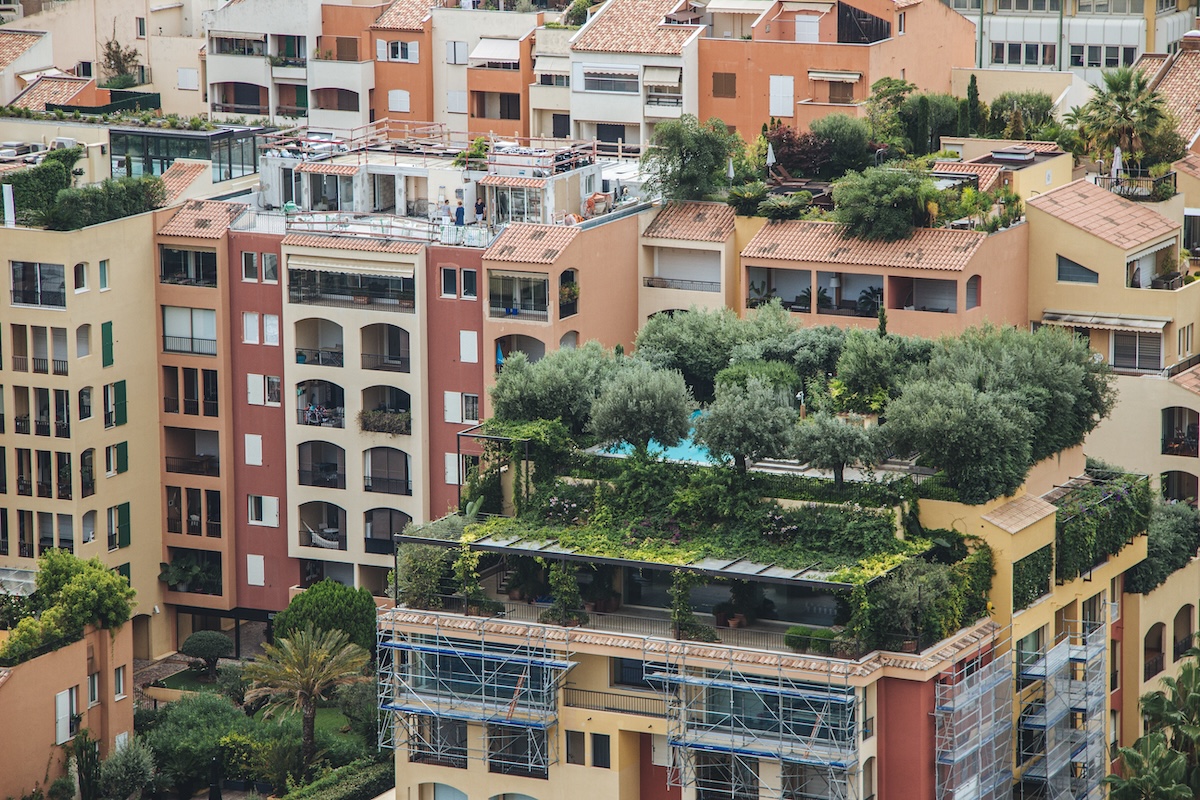
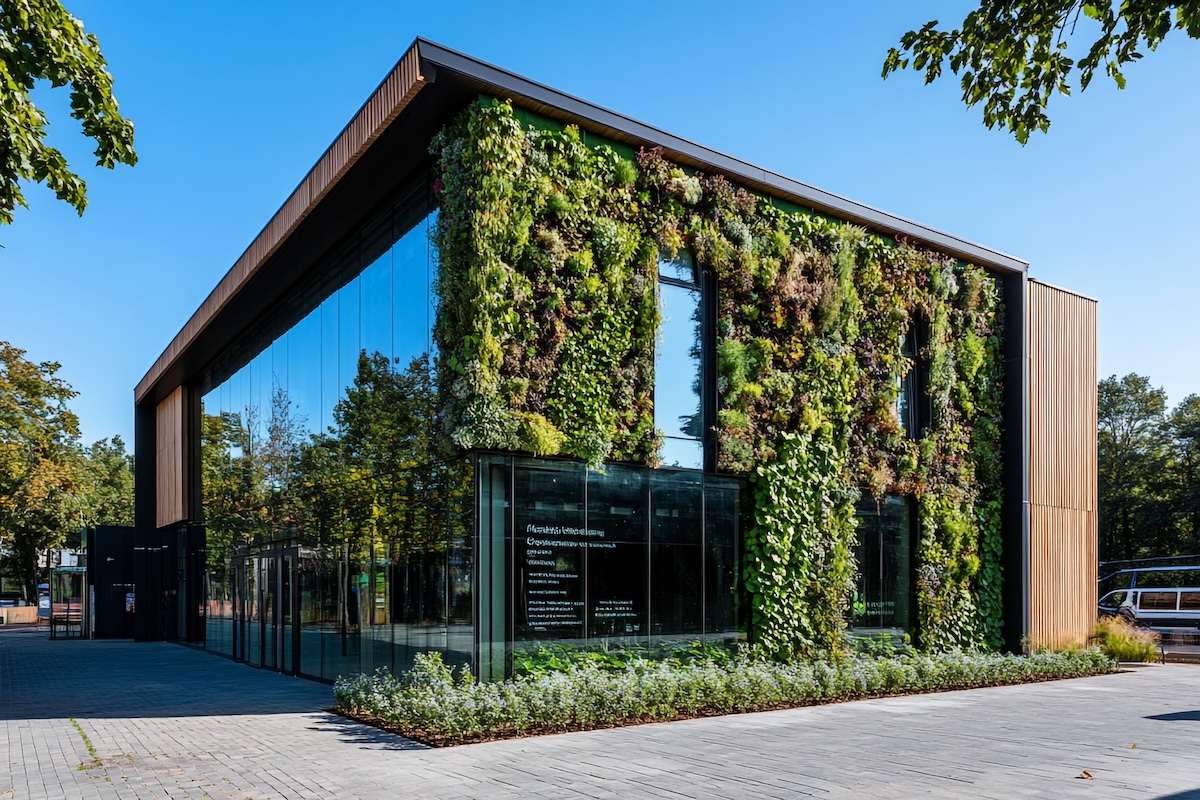
Urban green infrastructure (IVU) refers to a network of natural and semi-natural spaces that connect urban areas with nature, providing ecosystem benefits and improving human well-being and quality of life. It includes elements such as parks, gardens, green roofs and walls, rainwater collection systems, urban trees and wetlands, ecological corridors and green roofs in infrastructures.

Unlike conventional infrastructure, based on concrete and asphalt, the IVU focuses on integrating nature into the city to improve air quality, manage rainwater, reduce the heat island effect and promote biodiversity.

Benefits of urban green infrastructure

Urban green infrastructure offers multiple environmental, social and economic benefits:

  • One of its main benefits is the reduction of greenhouse gas (GHG) emissions, which are the main cause of global warming. Through photosynthesis, trees and other urban plants absorb CO2, reducing their concentration in the atmosphere. This is why it is crucial to expand green areas in urban environments.
  • In addition, green infrastructure It helps to reduce the energy demand of buildings. Green roofs and facades act as natural thermal insulators, reducing the need for air conditioning and heating systems. This translates into lower energy consumption and a reduction in GHG emissions.
  • Another significant benefit is the ability of green infrastructure to cool urban space. By providing shade and releasing moisture through evapotranspiration, helps lower air temperature and mitigate the heat island effect.
  • In terms of efficient water management, elements such as rain gardens and rainwater collection systems help to absorb excess water, reducing the risk of flooding and promoting its reuse in cities.
  • Green infrastructure too promotes the conservation of urban biodiversity, by creating ecological corridors that connect different natural areas and facilitate the coexistence of different species.
  • Los health benefits are just as important. The presence of green areas improves mental health by reducing residents' stress and anxiety, encourages physical activity and improves air quality, which has a positive impact on the general health of the population.
  • Finally, incorporating green infrastructure into urban design also generates economic advantages. Reducing energy costs, mitigating flood damage and improving public health represent significant savings for the population. In addition, green spaces tend to increase the real estate value of nearby areas and attract tourism.

Cases of green infrastructure in cities around the world

Medellin in Colombia

Medellin is an example of how green infrastructure can be effectively integrated into urban design, improving environmental sustainability and the quality of life of its citizens.

Copenhagen in Denmark

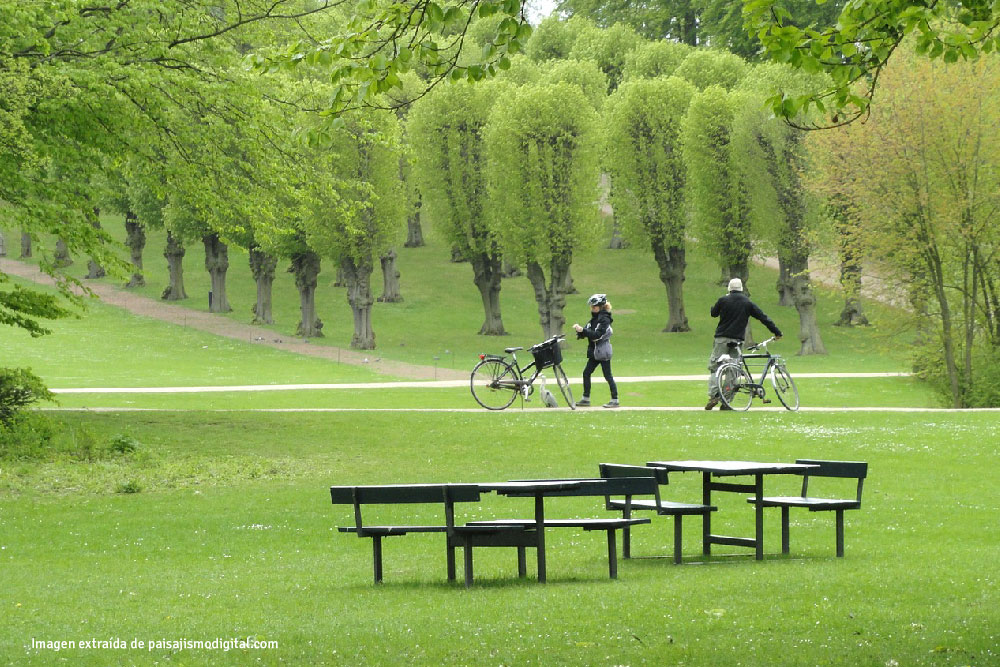
Copenhagen is a model to follow for other cities that seek to integrate green infrastructure and improve the quality of urban life.
Singapore

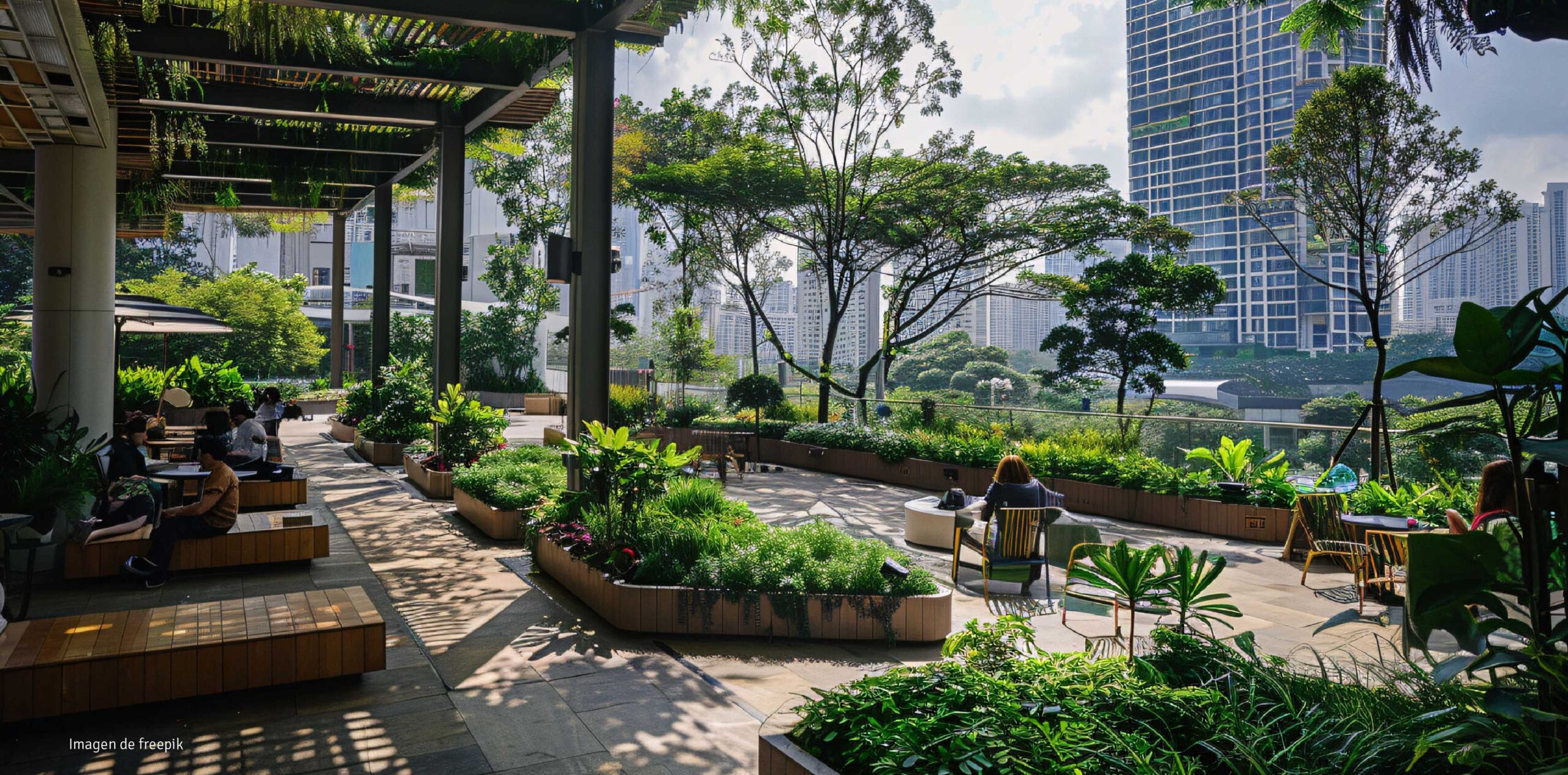
Singapore is an excellent example of how green infrastructure can be effectively integrated into a dense urban environment, improving quality of life and addressing environmental challenges.

Challenges faced

Despite its multiple benefits, the incorporation of green infrastructure into urban design presents challenges, such as a lack of funding, the limited availability of spaces in densely populated cities, and the need for adequate maintenance to ensure its long-term effectiveness and sustainability.

However, these obstacles can be overcome through the implementation of effective public policies, the integration of green infrastructure into urban development plans and the active participation of the community.

Si quieres recibir este ebook,
¡suscríbete!

Portada de ebook azul con texto sobre oportunidades de financiamiento para construcción sostenible en América Latina y logo de Leaf.

Para Leaf, tu privacidad es fundamental. Por eso, utilizamos los datos que nos proporcionas para acercarte novedades e información relevante. Al descargar, muestras tu conformidad con ello. Puedes cancelar tu suscripción en cualquier momento.

Thank you! Your submission has been received!
Oops! Something went wrong while submitting the form.
EDGE Certification: The Fastest Way to Build an Efficient Building

EDGE certification is one of the fastest and most effective ways to create efficient buildings, reduce energy, water, and material consumption, and increase property resale value. Developed by the International Finance Corporation (IFC), part of the World Bank Group, EDGE helps real estate projects lower their environmental impact, reduce operating costs, and support decarbonization efforts. With a streamlined and measurable process, EDGE has become a strategic certification for developers and investors seeking sustainability, profitability, and market differentiation.

Sustainable certifications in Mexico: current overview and trends

Sustainable certifications in Mexico are gaining prominence as a key tool for companies and projects that seek to demonstrate their environmental, social and governance commitment. They are no longer limited to construction alone, but encompass complete processes, operations, products and business models.

Why environmental certifications increase the resale value of a property | Leaf

Discover how environmental certifications, energy efficiency and sustainable buildings increase the resale value of a property and reduce its environmental impact.

Logo with the word 'leaf' in white and text 'Sostenibilidad para todos' in blue next to two green leaves.

PERÚ

PANAMÁ

COLOMBIA

CHILE

CHINA

MÉXICO

CDMX

Monterey

SÍGUENOS EN

Instagram logo
Logo facebookLogotipo de LinkedIn en blanco sobre fondo azul.