Bioclimatic architecture

Home

>

Blog

>

Bioclimatic architecture

Bioclimatic architecture is an architectural practice that uses solar energy, natural ventilation and other design strategies to create efficient and sustainable buildings from an energy and comfort point of view. In this article, we will discuss the characteristics of bioclimatic architecture, its advantages and disadvantages, and some examples of bioclimatic architecture in Latin America.

What are the characteristics of bioclimatic architecture?

Bioclimatic architecture focuses on making the most of local weather conditions to create energy efficient buildings. Some of the common characteristics of bioclimatic architecture include:

  • Orientation of the building to take advantage of sunlight and minimize exposure to direct sun on windows during summer.
  • Use of construction materials and techniques that have insulating properties to reduce energy losses.
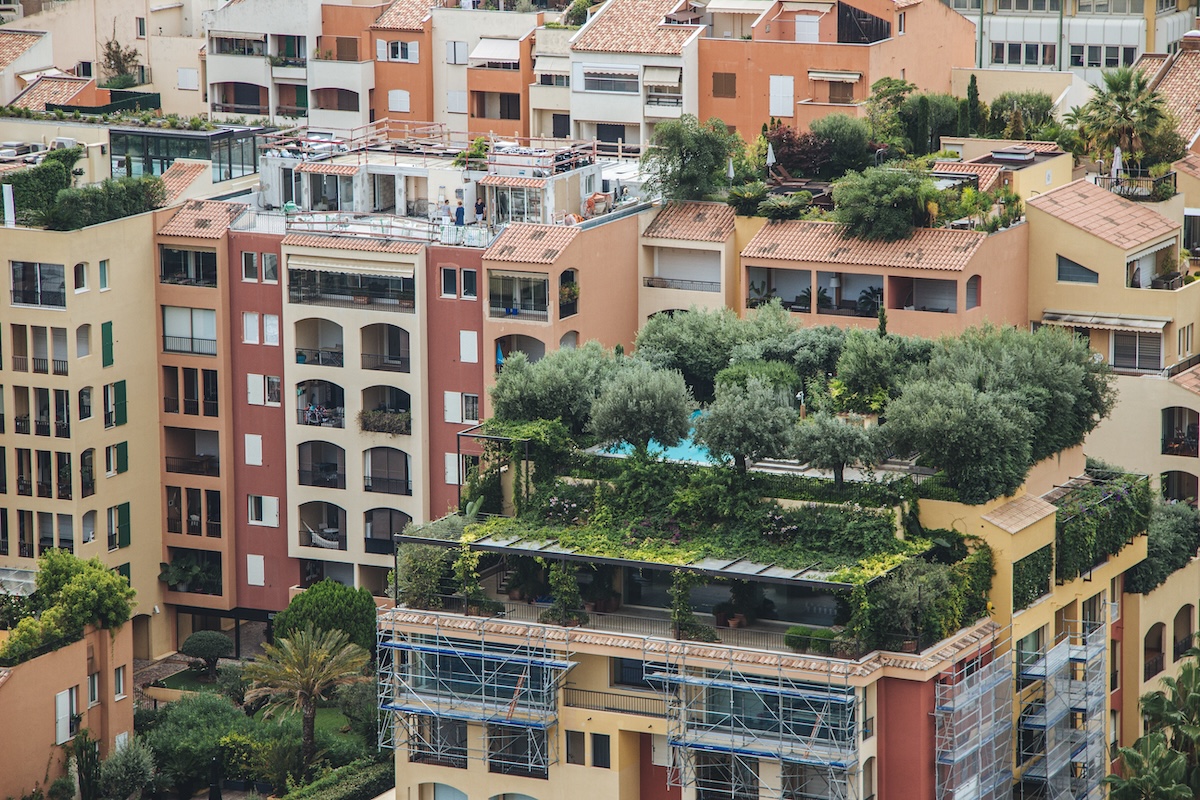
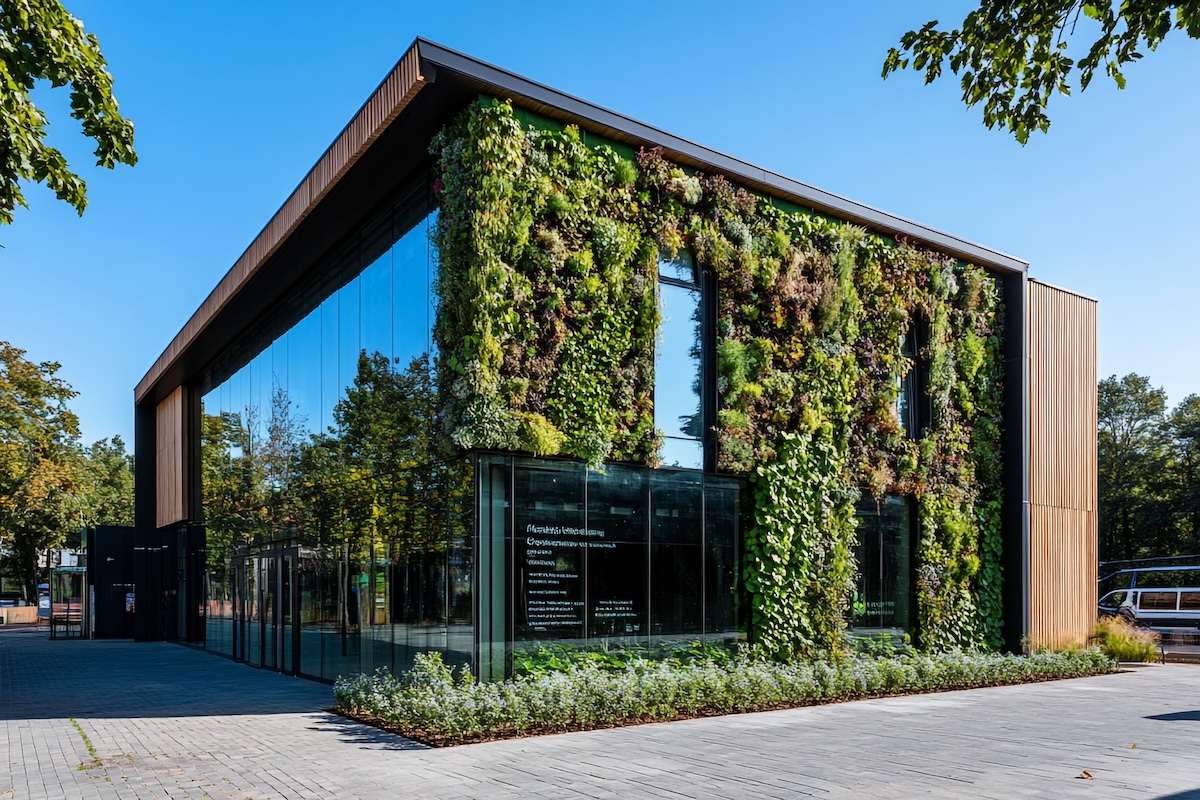
  • Design of green ceilings and walls to reduce the impact of the building on the environment.
  • Use of natural ventilation and shading strategies to improve air circulation and reduce energy consumption for cooling.
  • Design of open spaces that promote connection with nature.

Advantages and disadvantages of bioclimatic architecture

Bioclimatic architecture has a number of advantages. First of all, it is more sustainable from an energy point of view, which can significantly reduce the building's operating costs in the long term. In addition, you can provide a healthier and more comfortable environment for the occupants of the building.

However, it also has some disadvantages, such as the higher initial cost due to the need for specific materials and construction techniques, and the need to adapt the design to local weather conditions, which can limit design options.

Examples of bioclimatic architecture in Latin America

Bioclimatic architecture is increasingly common in Latin America, especially in countries with hot and humid climates. Some notable examples include:

  • The Gota D'Agua building in Brazil, which uses solar panels and a rainwater collection system to minimize its carbon footprint.
  • Casa Zap in Mexico, in this residence the premise was to respect the terrace, a traditional element in regional residential architecture. Its design, in fact, responds to an orientation appropriate to the climate, achieving an open space of double height in the social area of the interior, from where a water channel opens that ends in a pool that crowns the garden.
  • The Ruta N building, Medellín Colombia, which uses a design adapted to rain, respecting the landscaping and lighting, planned to be environmentally friendly.

This architectural practice has the potential to create buildings that are more energy efficient and environmentally sustainable. Although it has some disadvantages, such as a higher initial cost, its advantages are significant and it guarantees savings and returns in the long term. Therefore, more and more companies and architects are adopting this practice in Latin America and around the world.

If you want to build a sustainable building and are looking to guarantee its efficiency with a certification, contact us here.

Si quieres recibir este ebook,
¡suscríbete!

Portada de ebook azul con texto sobre oportunidades de financiamiento para construcción sostenible en América Latina y logo de Leaf.

Para Leaf, tu privacidad es fundamental. Por eso, utilizamos los datos que nos proporcionas para acercarte novedades e información relevante. Al descargar, muestras tu conformidad con ello. Puedes cancelar tu suscripción en cualquier momento.

Thank you! Your submission has been received!
Oops! Something went wrong while submitting the form.
EDGE Certification: The Fastest Way to Build an Efficient Building

EDGE certification is one of the fastest and most effective ways to create efficient buildings, reduce energy, water, and material consumption, and increase property resale value. Developed by the International Finance Corporation (IFC), part of the World Bank Group, EDGE helps real estate projects lower their environmental impact, reduce operating costs, and support decarbonization efforts. With a streamlined and measurable process, EDGE has become a strategic certification for developers and investors seeking sustainability, profitability, and market differentiation.

Sustainable certifications in Mexico: current overview and trends

Sustainable certifications in Mexico are gaining prominence as a key tool for companies and projects that seek to demonstrate their environmental, social and governance commitment. They are no longer limited to construction alone, but encompass complete processes, operations, products and business models.

Why environmental certifications increase the resale value of a property | Leaf

Discover how environmental certifications, energy efficiency and sustainable buildings increase the resale value of a property and reduce its environmental impact.

Logo with the word 'leaf' in white and text 'Sostenibilidad para todos' in blue next to two green leaves.

PERÚ

PANAMÁ

COLOMBIA

CHILE

CHINA

MÉXICO

CDMX

Monterey

SÍGUENOS EN

Instagram logo
Logo facebookLogotipo de LinkedIn en blanco sobre fondo azul.