He leads projects and consulting services under LEED, EDGE, and FITWEL standards, integrating facade optimization strategies, life cycle assessments, and energy modeling to develop high-performance buildings.

A materials passport identifies each material in a building, detailing its characteristics, composition, origin and potential for reuse. Its purpose is to efficiently manage resources and facilitate their circularity, keeping materials in use for as long as possible, reducing the extraction of new resources and the generation of waste.

Material passports can be integrated with broader digital tools, such as Construction Information Modeling software (BIM), digital inventories and records, which could in turn be connected to supply chains, recording all the modifications and maintenance that a product has had. It is also essential that all levels of the chain work with transparency and commitment in the exchange of data to implement circular business models.
The detailed record of material information facilitates sustainable decision-making by developers, managers and renovators. Material passports provide:
In addition, they are essential for tracking the movement of materials within the supply chain, helping to keep them in use for longer. Not only does this practice promote sustainability, but it also creates incentives for suppliers to offer more sustainable options.
Yes, digital material passports allow built assets to function as material banks. This optimizes the reuse of resources, reducing the need to purchase new products, thus reducing long-term construction and renovation costs.
In addition, by promoting the circularity of materials, not only are savings saved on the purchase of new inputs, but also the costs associated with waste treatment and the extraction of natural resources are reduced. This approach is not only economically viable, but it also supports sustainability objectives in construction.
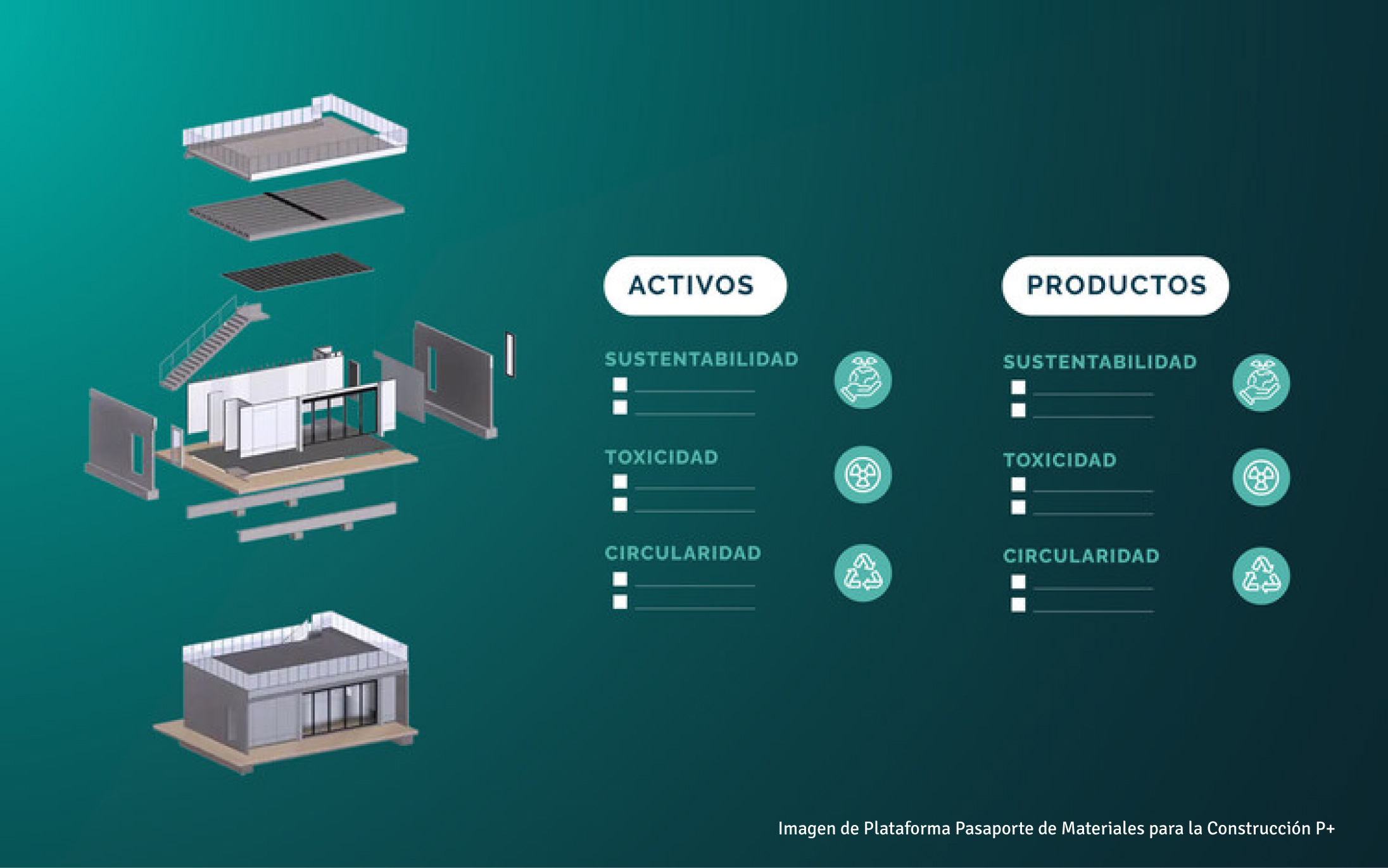
An example of the implementation of material passports is the P+ Construction Materials Passport Platform, a pioneer in Latin America, was launched in 2023 by the Technology Center for Construction Innovation (CTEC) and the Chile Green Building Council. This tool allows recording the characteristics and traceability of the materials that make up a building throughout their entire life cycle, focusing on their circularity, environmental impact and toxicity.
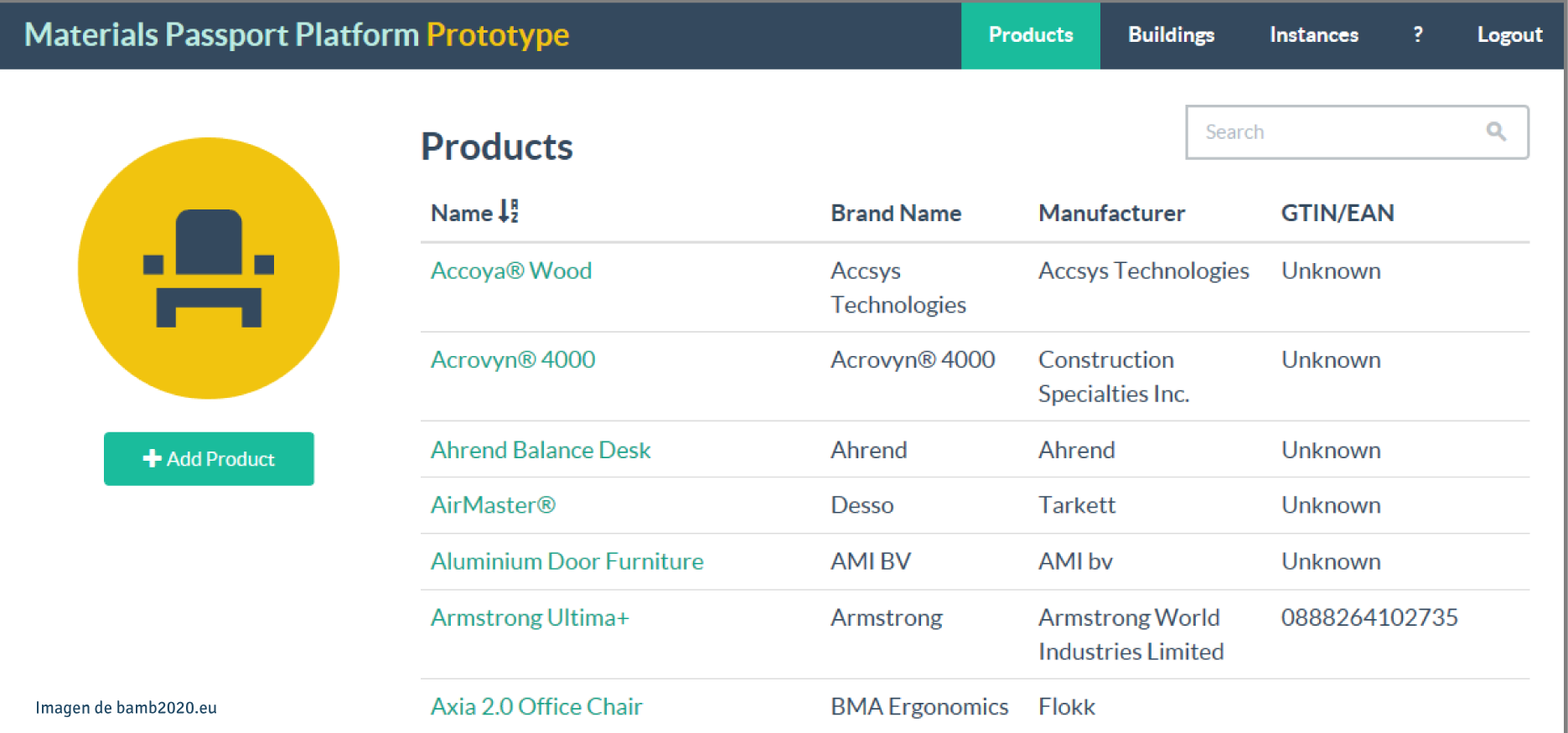
Another case is that of Buildings as Material Banks (BAMB), in which more than 300 Material Passports have been developed for various products, components and materials, together with a software solution. This platform provides the continuous ability to track the quality and modifications of components and materials. In addition, it can incorporate established mechanisms such as Technical Data Sheets (TDS), Safety Data Sheets (MSDS), Environmental Product Declarations (EPD), and Lists of Materials and Substances, among others, to support circularity claims.
EPDs are standardized and verifiable documents that provide quantitative information about the environmental impact of a product throughout its life cycle. They are based on a Life Cycle Assessment (LCA) methodology and follow international standards, such as ISO 14025.
While both provide information about the products, material passports focus on identifying characteristics, composition, origin and potential for reuse, while EPDs focus on providing quantitative information about the environmental impact of the product, allowing the comparison of environmental performance between different options.
In short, material passports focus on resource management to promote reuse and circularity, while EPDs provide a quantitative assessment of the environmental impacts of each product. Both are useful for making informed decisions. In fact, the EPD credit is the most popular in the Materials and Resources category of the LEED certification system.
A deep-rooted challenge in the construction industry is the lack of transparency in the supply chain, which makes it difficult to identify which materials can be reused, refurbished or recycled. In many cases, although the information is available, it is stored in different data sources, which complicates its access.
The lack of access to relevant information can hinder efforts towards a circular economy, since it limits the ability of the actors involved to effectively reuse, recycle or recover materials. This highlights the need for more integrated and transparent systems that facilitate collaboration and information exchange.
Sources consulted:The Circular Built Environment Playbook by WorldGBCpasaportemateriales.clbamb2020.eu
Leaf Global. Copyright © 2026. All rights reserved.