He leads projects and consulting services under LEED, EDGE, and FITWEL standards, integrating facade optimization strategies, life cycle assessments, and energy modeling to develop high-performance buildings.
Green buildings are constructions that have been designed and built taking into account environmental impact and sustainability. These are buildings that minimize energy consumption, reduce greenhouse gas emissions and use renewable and sustainable materials.
The qualification of the materials used directly influences the sustainability of green buildings, since it determines their environmental impact and their compliance with recognized certification standards.
Technological innovation is key to transforming the way buildings interact with the environment. Nowadays, sustainable buildings incorporate advanced energy efficiency systems, such as intelligent LED lighting and motion sensors that optimize energy consumption. The use of renewable energy, especially solar energy using photovoltaic panels and wind energy, allows buildings to reduce their dependence on traditional sources and reduce their carbon footprint.
The latest generation ventilation and air conditioning systems are designed to maximize interior comfort with minimal energy consumption, improving indoor air quality and reducing greenhouse gas emissions. In addition, the integration of sustainable materials such as bamboo and certified wood into the structure and furniture contributes to a lower environmental impact and encourages the responsible production of resources.
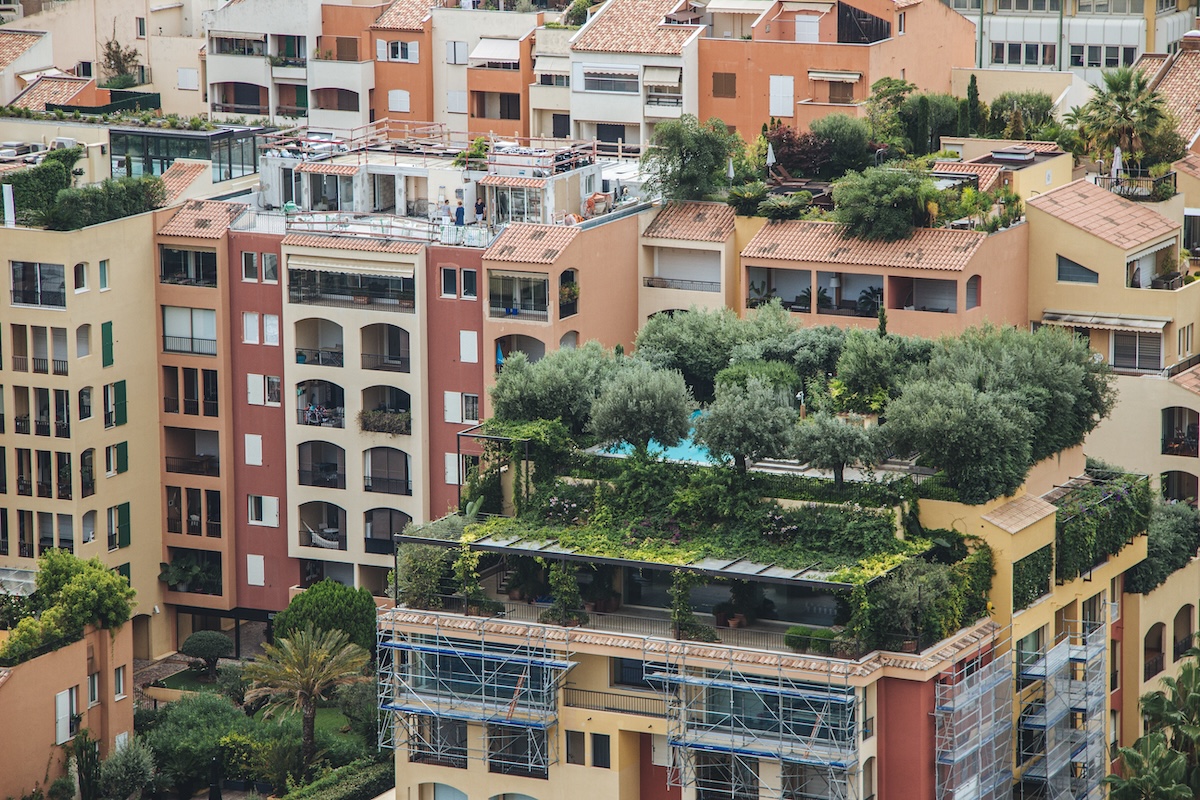
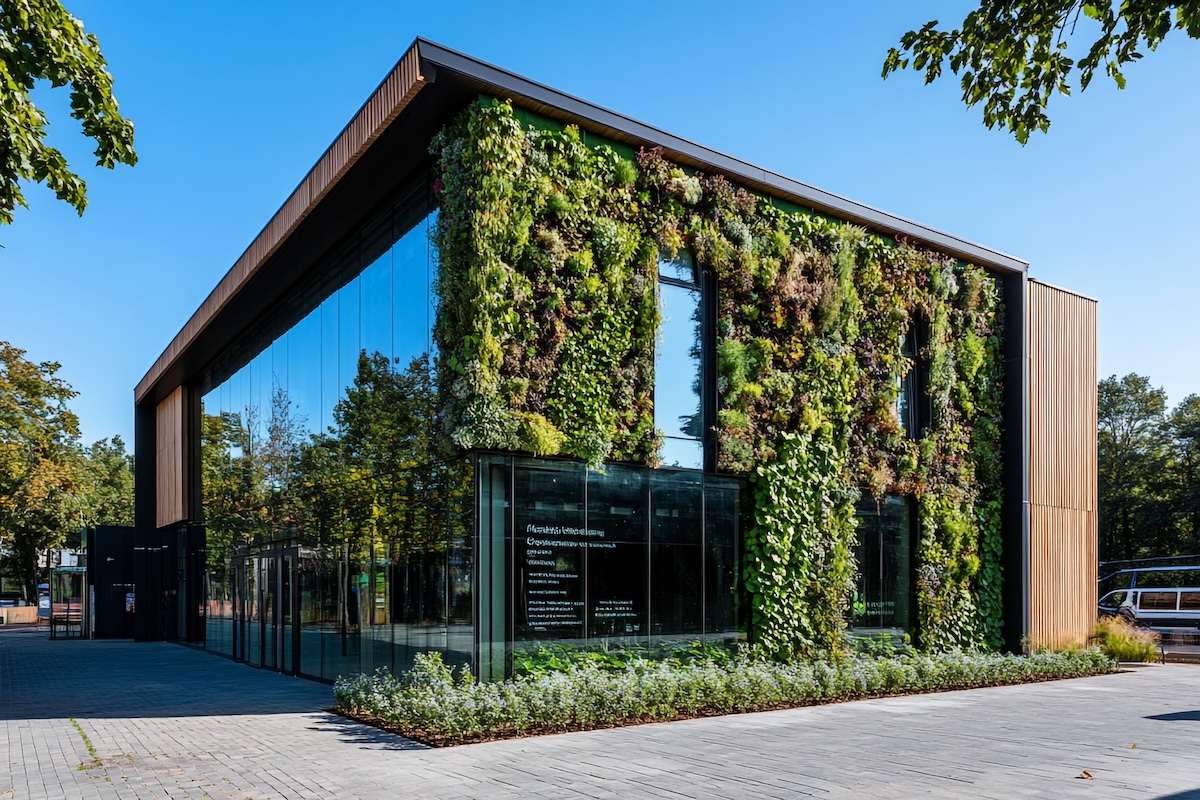
The incorporation of vertical gardens and green roofs not only beautifies spaces, but also helps to regulate temperature, filter pollutants and improve the quality of life of occupants. These solutions, together with intelligent monitoring and control technologies, allow green buildings to be more efficient, healthier and more environmentally friendly.
Obtaining certification for sustainable buildings is a fundamental step in ensuring that a building meets the highest standards of energy efficiency and respect for the environment.
Among the most recognized certifications worldwide is LEED (Leadership in Energy and Environmental Design), which evaluates aspects such as the efficient use of energy, water and resources, as well as indoor air quality.
Another prominent certification is BREEAM (Building Research Establishment Environmental Assessment Method), which analyzes the sustainability of buildings in different areas, including energy consumption, water management and user well-being.
For its part, EDGE (Excellence in Design for Greater Efficiencies), developed by the International Finance Corporation (IFC), focuses on achieving measurable savings in energy, water and energy incorporated in materials. It is especially useful for projects in emerging markets, as it combines ease of use, accessible costs and a pragmatic approach to moving towards sustainability.
These certifications not only recognize the commitment to sustainability, but they also provide added value to buildings, improve the reputation of companies and promote the responsible use of natural resources. In addition, they facilitate access to incentives and tax benefits, encouraging the adoption of sustainable practices in the construction sector.
The construction and building sector represents one of the main sources of global environmental impact. From the production of materials such as concrete, which generates large amounts of carbon dioxide, to the daily consumption of energy and water, every stage of a building's life cycle contributes to greenhouse gas emissions and the depletion of natural resources.
However, there are effective measures to mitigate this impact. The adoption of renewable energy systems, such as solar panels and wind turbines, makes it possible to significantly reduce emissions associated with energy consumption. Intelligent architectural design, which prioritizes efficient use of resources and the integration of vegetation and gardens, helps to regulate temperature, improve air quality and reduce water consumption.
Sustainable architecture promotes the use of materials with low environmental impact and encourages reuse and recycling in each work. In addition, the implementation of control and monitoring technologies makes it possible to optimize the operation of buildings, minimizing waste and promoting more responsible urban development. Thus, each measure adopted contributes to the construction of more sustainable and resilient cities in the face of climate change.
The Edge, Amsterdam: is considered the most sustainable building in the world, with a renewable energy system that generates more energy than it consumes.
Museum of Nature and Man, Tenerife: uses solar and wind energy to supply itself with energy.
Fraunhofer Solar Energy Research Center, Freiburg: uses solar energy to supply energy and has a natural ventilation system.
Seattle Public Library, Seattle: uses recycled materials and advanced LED lighting technology to reduce energy consumption.
The Waterfall House, Pennsylvania: was built in the 1930s and has a bioclimatic design that takes advantage of natural light and ventilation to reduce energy consumption.
It is important to highlight that the construction of green buildings not only benefits the environment, but also the economy in the long term.
These buildings can reduce energy and maintenance costs, increase property value and improve the health and productivity of their occupants.
In conclusion, green buildings are a solution to build more sustainably and reduce the environmental impact of our buildings. Using renewable materials, efficient energy systems and responsible water and waste management, we can build buildings that are more efficient and environmentally friendly.
If you are looking for advice to certify your next green building, contact us here
Leaf Global. Copyright © 2026. All rights reserved.