He leads projects and consulting services under LEED, EDGE, and FITWEL standards, integrating facade optimization strategies, life cycle assessments, and energy modeling to develop high-performance buildings.
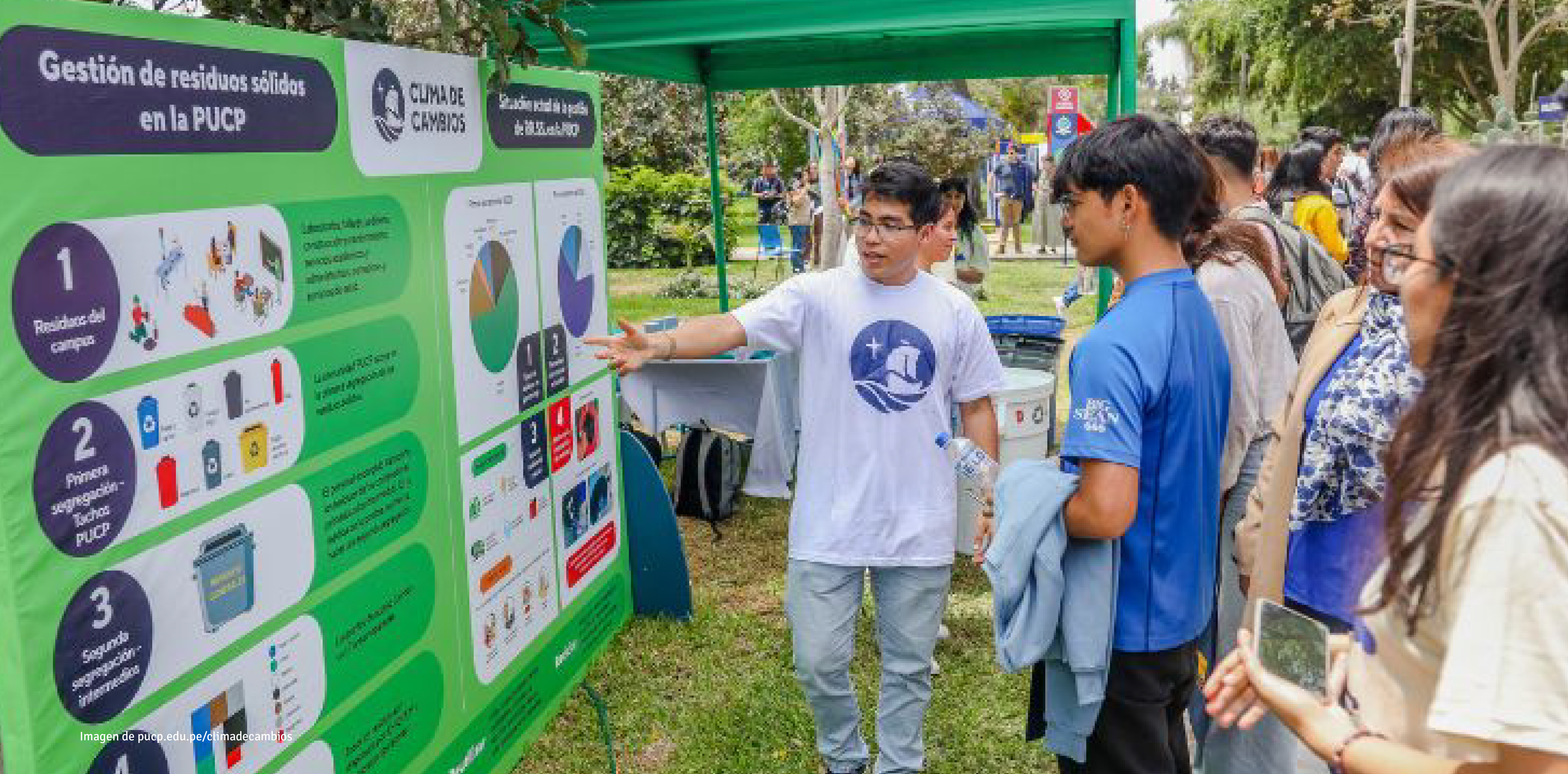
Environmental education in communities is built by combining workshops and awareness campaigns, recycling programs, reforestation projects and their integration into local schools and universities — strategies that strengthen citizen participation and build lasting sustainable habits.

Extracted from recolecciondebasuraseredecom.com.mx
The environmental education plays a crucial role in promoting sustainable practices and generating environmental awareness in communities.
By fostering a stronger connection between people and their environment, this education contributes significantly to sustainable development, improving quality of life and protecting natural resources.
In addition, environmental education facilitates a deeper understanding of the interdependence between the environment and social systems, which in turn improves the relationship between humanity and its environment. This understanding is vital to effectively address the environmental problems we face today.
In recent times, the health crisis has highlighted the need to rethink our production and consumption practices. Environmental education emerges as an essential tool to promote these changes, underlining its importance in today's society.
By equipping people with the skills needed to address environmental problems, communities' capacity to adapt and thrive in a changing world is strengthened.

Excerpted from uprm.edu
Encouraging community participation is essential for effective environmental education. Communities that are actively involved in protecting and improving the environment tend to be more resilient and sustainable. There are several strategies to achieve this participation, such as:
These strategies can help build a sense of community and shared responsibility for the environment by implementing specific action plans that involve the community in protecting the environment.
Events such as the Youth Forum for Climate Change (more info). hither) and the School of Climate Leaders are examples of how young people can be trained to identify and solve environmental problems.
In addition, practical activities such as urban gardens, nature excursions and volunteer programs are effective ways to involve young people in environmental education.
Workshops and talks are essential tools for educating the community about environmental issues. These events should be interactive, encouraging active participation and the exchange of ideas among attendees.
Organizing workshops and talks in schools, community centers and other public spaces can help spread knowledge about sustainable practices and the importance of environmental conservation.
In addition, these events provide a model of inclusive and accessible education for all members of the community. Workshops and talks can promote processes of change towards sustainability in the community.
Some of the activities that can be included in these workshops and talks are practical demonstrations, group discussions and collaborative projects.
These approaches not only educate, but they also inspire participants to implement what they have learned in their daily lives and to share their knowledge with others.
Awareness-raising campaigns are essential to raise awareness of the importance of environmental care in the community.
The main objective of these campaigns is to highlight the direct benefits that environmental care generates in the community, which may include:
These benefits contribute to a healthier and more sustainable environment for all.
For these campaigns to be effective, it is essential that they are designed in an inclusive way, so that all members of the community can be part of it.
Using local experiences and testimonies can be a powerful strategy to strengthen the impact of awareness campaigns.
Examples of successful campaigns include recycling education programs, community cleaning events, and natural space conservation efforts.
Not only do these initiatives increase awareness, but they also foster a sense of shared responsibility for the environment.
Reforestation projects are an effective way to restore ecosystems and recover degraded areas, resulting in a positive impact on local biodiversity. In addition, reforestation helps to improve air quality, improve soil and mitigate climate change.
It is crucial to involve the community in the planning and execution of these projects to ensure their long-term success and sustainability. Clearly defining the objectives of the project, selecting the appropriate species and establishing a maintenance plan are fundamental steps to ensure plant growth.
These projects not only benefit the environment, but they also strengthen a sense of community and commitment to conservation.
By working together, community members can see first-hand the positive impact of their efforts and feel motivated to continue participating in environmental initiatives.

Taken from agoravocesabe.com
Recycling programs are essential to promote sustainability and reduce the amount of waste that ends up in landfills. These programs can encourage community participation through rewards and recognition, increasing individuals' commitment to recycling.
Establishing alliances with recycling companies is crucial to ensure the proper management of collected materials. These alliances can facilitate the implementation of efficient and sustainable recycling systems. In addition, facilitating access to recycling points in the community is an effective strategy to increase participation.
Monitoring the progress of recycling programs makes it possible to adjust strategies and improve their effectiveness in the process. By analyzing the data collected, communities can identify areas for improvement and develop innovative solutions to increase recycling rates.
Finally, it's important to educate the community about the benefits of recycling and how they can contribute to these programs. Awareness-raising campaigns and informational workshops can be effective ways to disseminate this knowledge and encourage active participation.
In various parts of the world, community recycling programs have been implemented that have proven to be successful in promoting sustainability and reducing waste:
Curitiba is recognized for its innovative recycling system, which includes the program
San Francisco is committed to achieving the
Ecoembes is a non-profit organization that manages the recovery and recycling of lightweight packaging, paper and cardboard in Spain. Through educational campaigns and collaboration with more than 8,000 municipalities, it has managed to significantly increase recycling rates in the country. Your model of
Kamikatsu is a small Japanese town with an ambitious goal: to become a
Excerpted from biencommun.com
Environmental education in local schools is crucial to form generations aware of environmental conservation. This is achieved through ecology courses, research projects and practical activities that sensitize students to ecological problems and sustainable solutions.
A prominent example is the 212 Industrial and Service Technology Baccalaureate Center in Tetla, Tlaxcala, which successfully implemented educational programs on sustainability and biodiversity over the past four years, especially in the Ecology course.
The book “Resources for Environmental Education” by José Gómez García and Javier Mansergas López is an excellent tool for educators and students. In addition, websites and documentaries on climate change, waste management and renewable energy can complement learning.
Educational programs must be adapted to local needs and encourage active participation in research projects and practical activities, strengthening the link between school and community.
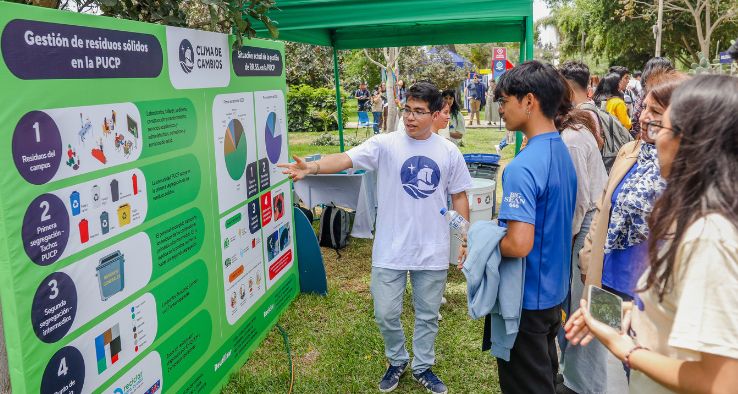
Extracted from pucp.edu.pe
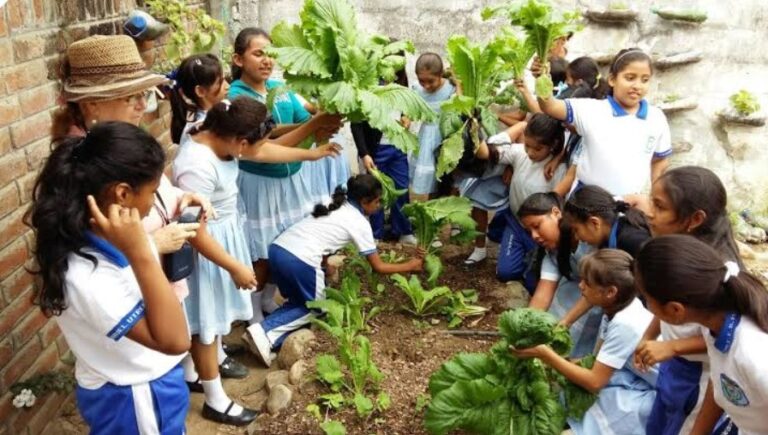
Universities play a key role in training future generations committed to sustainability. To this end, they can integrate environmental education into their academic programs through specialized courses, research projects and extracurricular activities that involve students in sustainable practices.
In addition, collaborating with local communities on sustainability projects strengthens the link between universities and society, expanding the impact of their initiatives.
A notable example is the Pontifical Catholic University of Peru (PUCP) in Lima, which carries out the “Climate of Change” campaign. Through this initiative, the university continuously promotes sustainable practices and sensitizes its university community about the importance of acting in the face of climate change (more info). hither).
By promoting a culture of sustainability in the university environment, it prepares future generations to face environmental challenges and contribute to the sustainable development of their communities.

Taken from nationalgeographic.com
Technology and innovation are key to modern environmental education. Mobile applications such as iNaturalist allow users to identify species of flora and fauna through photographs and global collaboration, facilitating learning and community participation. More info. hither
Drones are used to monitor the environment, helping to identify areas suitable for reforestation and waste management.
These technological tools not only promote learning, but they also empower communities to act to conserve the environment.
The use of innovative technology and tools in environmental education facilitates data collection and active community participation. By integrating these technologies into educational programs, awareness and commitment to sustainability can be increased.

National Autonomous University of Mexico
Implementing effective environmental strategies in educational communities and social projects can have a big impact. Here are examples that highlight how environmental education can transform local realities:
In this educational center, the students of the “Ecology” course have developed environmental projects that have improved the school and community environment. These projects have involved students in waste management and water savings, promoting teamwork and environmental responsibility.
The National Autonomous University of Mexico implemented recycling, energy efficiency and solar panel programs on its campuses. Not only did these actions reduce their ecological footprint, but they also educated students and staff about sustainable practices.
This hotel has integrated sustainable practices such as saving water and energy, and conserving local biodiversity. In addition, it offers visitors educational activities on the environment, promoting responsible tourism.
The recycling plant in Monterrey processes recyclable materials and generates energy from organic waste. In addition, it organizes educational programs to sensitize the community to the importance of reducing and recycling, encouraging more responsible practices.
Environmental education in communities faces obstacles such as lack of resources, disinterest and resistance to change. These challenges hinder the adoption of sustainable practices and the generation of ecological awareness.
To overcome these barriers, it is key to develop environmental education strategies that adjust to local reality. Involving community leaders and applying participatory methodologies, such as workshops, urban gardens and recycling projects, facilitates the appropriation of knowledge. In addition, taking advantage of digital tools and social networks helps to disseminate information in an accessible and attractive way, encouraging greater participation.
The support of organizations, academic institutions and local governments is also key to ensuring resources and continuity. With a practical and collaborative approach, environmental education can generate sustainable changes in communities, promoting responsible habits and greater commitment to the environment.
The sociocultural context plays a fundamental role in the effectiveness of environmental education. Each community has unique characteristics that influence how sustainability practices are perceived and implemented. Understanding and respecting these cultural differences is crucial to developing relevant and effective environmental education strategies..
Integrating the sociocultural context into environmental education makes it possible to adapt programs and activities to the specific needs of the community. This includes considering aspects such as local traditions, cultural values and everyday practices. Doing so encourages greater participation and commitment on the part of community members.
In addition, the sociocultural context influences the way in which people perceive environmental problems and their solutions. By recognizing these perceptions, educators can design awareness campaigns and educational programs that resonate with the community, thus achieving greater impact.
Finally, environmental education that considers the sociocultural context can help strengthen community identity and promote a sense of belonging.
By working together to protect the environment, individuals not only contribute to sustainability, but they also strengthen social bonds and a sense of community.
In short, for environmental education to be truly effective, it must be inclusive and respectful of the sociocultural context of each community. This not only enhances the relevance of initiatives, but also ensures a lasting commitment to environmental conservation.
To promote environmental care in the community, it is key to apply the 3Rs (reduce, reuse and recycle), minimize the use of plastics and optimize the consumption of resources such as water and electricity. Other effective actions include reforestation, the creation of sustainable urban gardens and the use of renewable energy such as community solar panels.
To promote community environmental education, workshops can be organized on recycling, composting and energy efficiency, as well as promoting the use of sustainable transport. Involving schools, universities, local leaders and neighborhood groups is key to making an impact. In addition, the use of social networks and digital campaigns helps to disseminate information and motivate participation.
The most effective strategies combine theory and practice. Activities such as educational eco-routes, environmental volunteering, installation of recycling points and flora and fauna conservation projects reinforce learning. Interactive digital resources, green apps and online teaching materials can also be used to make education more accessible.
Environmental education is key to building more sustainable communities, as it encourages responsible habits, reduces pollution and protects natural resources. In addition, it promotes the development of local solutions such as wastewater treatment, regenerative agriculture and the circular economy, promoting a healthier and more resilient environment.
Leaf Global. Copyright © 2026. All rights reserved.