He leads projects and consulting services under LEED, EDGE, and FITWEL standards, integrating facade optimization strategies, life cycle assessments, and energy modeling to develop high-performance buildings.

The Technical Building Code has imposed the use of natural light as a mandatory requirement, through the implementation and use of control and regulation systems, in areas where natural light is sufficient. What was formerly a designer's choice is now a regulatory duty.
Maximizing natural light leads to significant energy savings, especially in the tertiary sector and, in particular, in office buildings. In addition, its use contributes considerably to visual comfort and, therefore, to the quality of the built environment.
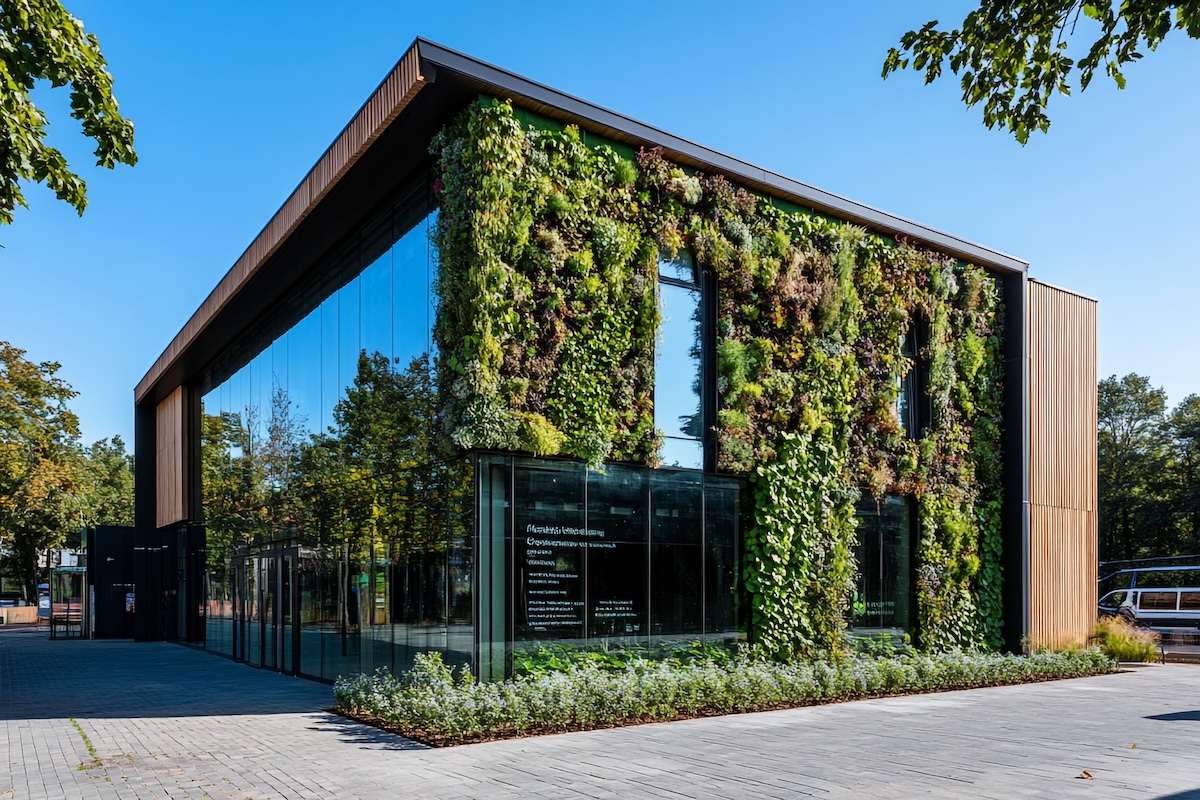
The availability of natural light depends on factors such as the depth of the room, the size and location of the windows and skylights, the type of glazing, and possible external obstructions. Typically, these elements are established in the initial design phase of the building. Proper planning and design at this early stage can result in more energy efficient buildings.
The orientation of the openings in the façade is essential. The most ideal are those oriented towards points where only diffuse radiation is received, in general, the north. If direct radiation hits areas where it is intended to be used as natural lighting, the resulting glare problems will be harmful and its use will not be possible.
An energy efficient lighting system makes it possible to achieve a significant reduction in consumption without compromising quality, comfort and level of lighting.
Buildings must have lighting systems appropriate to the needs of users and energy efficient, with a control system that allows the ignition to be adjusted according to actual occupancy and a lighting system that optimizes the use of natural light in suitable areas. Key points include:
The efficiency parameter used is Energy Efficiency Value (VEE): 1 W/m² per 100 lux.
The required values are in line with current standards for offices, with fluorescent and high-frequency lighting, but they represent a major step forward in other facilities that are currently less efficient, such as schools, hotels, etc.
The use of basic control systems is required for each zone (turning on and off exclusively from electrical panels is explicitly prohibited), detection of presence in areas of occasional use and regulation of the closest luminaires (less than 3 m) to the windows, depending on natural light.
With this point, it is essential to have a lighting management system in the building. In smaller buildings, it is very useful to incorporate control systems into luminaires.
To ensure the quality of the lighting installation, the minimum data that projects must include are indicated and the lighting parameters are entrusted to the UNE 12464-1 Standard, referring to “Lighting in indoor workplaces”, making it a mandatory standard.
This section establishes maximum consumption values for each type of light point. For fluorescent lamps, the values established in Royal Decree 838/2002, of August 2, which prohibits the commercialization of inefficient or high-frequency ballasts since 2007, are confirmed. All luminaires must have a certificate from the manufacturer demonstrating the total power consumption.
All facilities are required to have a plan that ensures that energy efficiency levels and lighting parameters are maintained. This document will include, among other information, the period of replacement of the lamps and the cleaning of the luminaires.
Lighting efficiency is influenced by:
Depending on the specific needs of the area to be illuminated, appropriate light sources, auxiliary devices and luminaires are selected.
Choice of Light Sources: In addition to their luminotechnical properties, light sources must be chosen based on their luminous efficacy, that is, the amount of electrical energy they transform into luminous flux. For example, incandescent lamps have a very low luminous efficacy, around 2%. In 2009, the European Commission banned the sale of these types of lamps due to their low efficiency.
Choice of Auxiliary Devices: Auxiliary devices have a decisive impact on the energy efficiency of the system. Electronic ballasts have numerous advantages over electromagnetic ballasts, both in terms of visual comfort and energy savings:
Choice of Luminaires: The distribution of light can have two different functions: functional, where light is sought to be directed efficiently, and decorative, to create a specific environment and highlight elements. Adequate and efficient lighting achieves a balance between both functions.

The regulation and control systems allow the light to be turned on, turned off and adjusted using switches, motion and presence sensors, photoelectric cells or time programming. These systems optimize energy consumption, reduce energy and maintenance costs, and provide flexibility to the lighting system. The energy savings achieved by these systems can be very significant.
Since not all areas require the same treatment, it is essential to control the luminaires in each area through separate circuits. For example, luminaires near windows must be able to be adjusted according to natural light differently than other luminaires in a room or room.
In residential buildings, installing these sensors on stairs, for example, can generate significant savings by turning on zoned lighting instead of illuminating all floors simultaneously.
In commercial or office buildings where there are defined schedules, it is possible to automate the turning on and off of the lighting according to the schedule, adjusting to the different days of the week, including free breaks (such as meals, etc.), distinguishing between weekends and working days, and including holidays.
In mixed-use buildings (offices, hotels, etc.), it is useful to have a system that allows managing and controlling the energy used in lighting, similar to what is done in air conditioning systems. A centralized control, consisting of sensors (photoelectric cells, presence detectors, etc.) and a programmable central unit, offers several advantages:
Leaf Global. Copyright © 2026. All rights reserved.