Is every smart city a sustainable city?

Home

>

Blog

>

Is every smart city a sustainable city?

Urban areas and energy

Urban areas need energy for transportation, industrial and commercial activities, buildings and infrastructure, water distribution, and food production. These activities, which represent more than 75% of GDP, consume close to the 75% of global primary energy and they emit between the 50 and 60 percent of the world's greenhouse gases. (United Nations on Housing and Sustainable Urban Development, 2021)

Challenges of Rapid Urbanization

Rapid urbanization has created problems such as social inequality, traffic congestion, water pollution and health problems. For this reason, a few years ago, several countries and cities began the transition so that in the 2050 there is a place that facilitates social cohesion, security and sustainability. That's why in the world there are smart cities, sustainable cities and cities with a little bit of both characteristics.

Next, we will explain what exactly each of them consists of and how they can be complemented for better results.

Smart cities

A smart city or”Smart City” is a city that, through technology, collects data to provide traditional services and resolve urban situations. It could be said that among its main objectives are: improve the efficiency of their policies, minimize their waste and hassle, promote social and economic quality and maximize social inclusion.
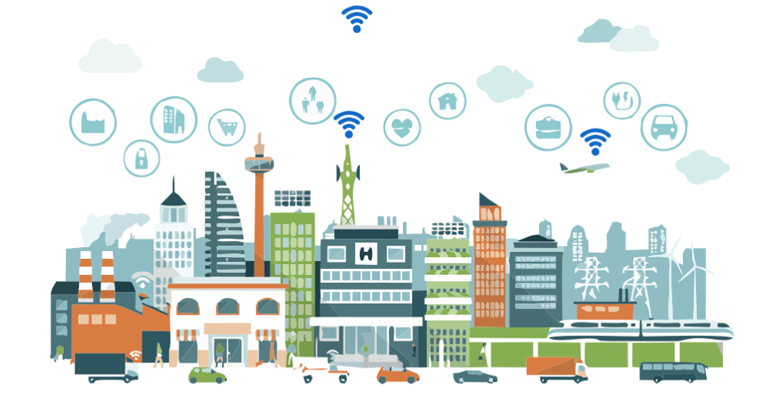
Top 3 “smart cities” in the world

  1. London, United Kingdom: They have the project “Smarter London Together” where, through artificial intelligence, they will be able to eliminate barriers, learn quickly and get closer to the goal of being a smart city.

  2. New York, United States: They have the project “ONE NYC 2050”. It also has the “80×50 Project” which proposes a reduction of 80% of greenhouse gases by 2050. In addition, it aims to achieve zero waste by 2030 with the “Project 0x30”.

  3. Paris, France: They have an architectural project “Paris Smart City 2050”.

Sustainable cities

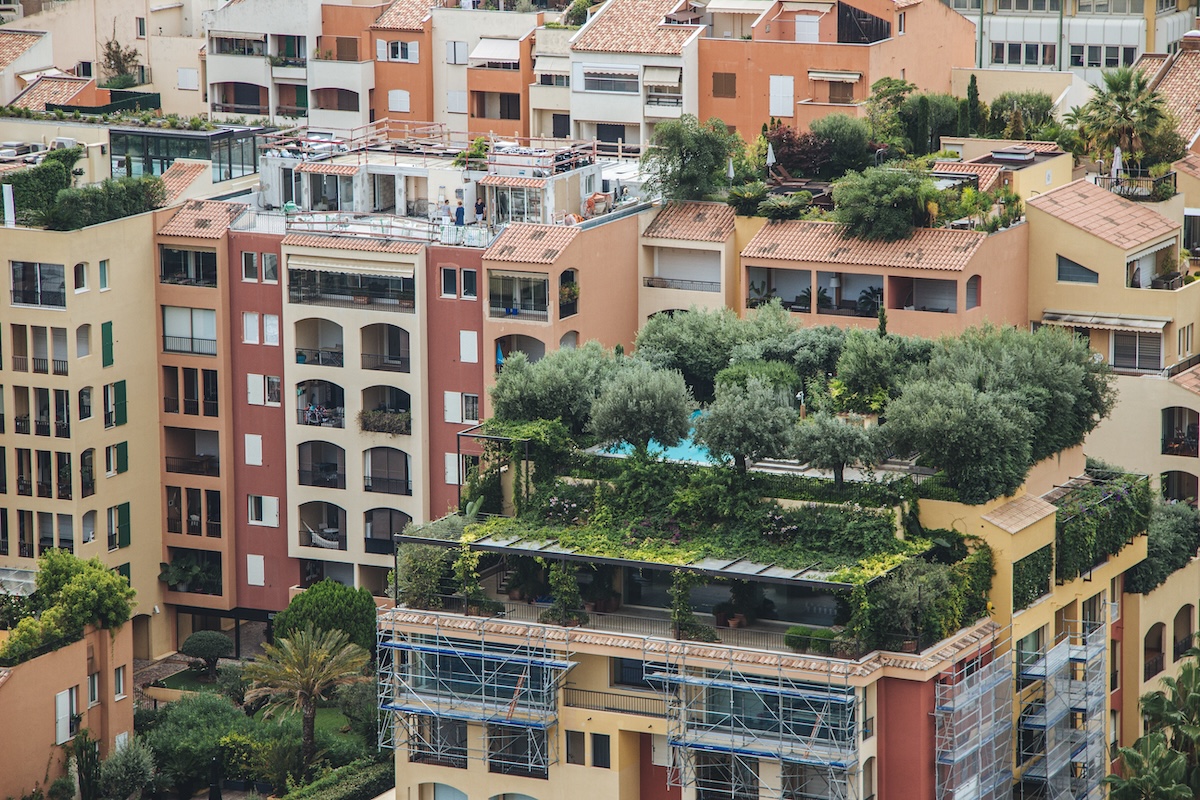
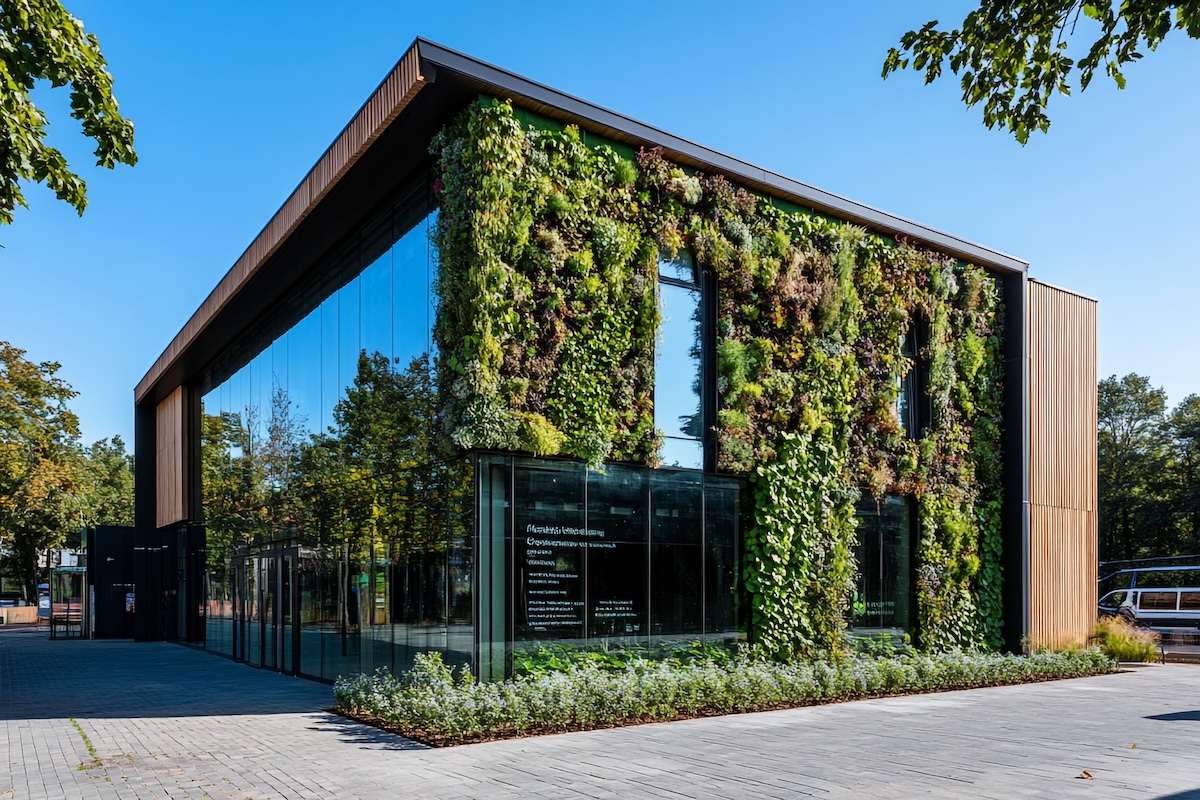
Una sustainable city It is the one that offers quality of life to its inhabitants without risking resources, since it ensures the well-being of future humanity and seeks social justice. For example: It gives priority to pedestrians by building more bike paths, generates the consumption of renewable energy with a solar panel plant or has more square meters of green areas per person, among other options.

Source: LEED Business Case in Latin America
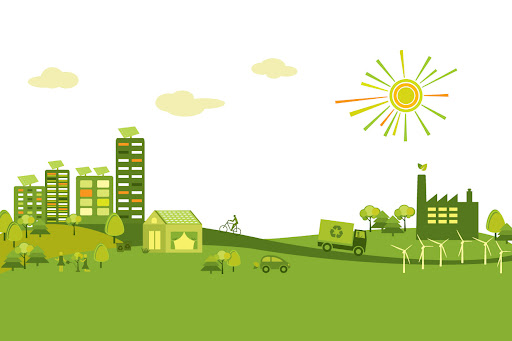
Top 3 sustainable cities in the world

  1. London, United Kingdom: About 50% of the urban area looks green or blue from above thanks to its lakes, rivers, plants and 3,000 public parks.

  2. Stockholm: It has invested in sustainable infrastructure.

  3. Edinburgh: This European city stands out both in the workplace in terms of equal pay, and for its high levels of education and health, as well as for having a low crime rate. In addition, it has the necessary infrastructure to be a connected city.

Does a smart city mean a sustainable city?

As read above, it is known that data collected through technology allows us to measure what and how resources are used in a city. However, if action is not taken towards a sustainable vision, the city is only classified as a smart city.

As Peter Drucker once said: “What cannot be measured cannot be controlled; what cannot be controlled cannot be managed; what cannot be managed cannot be improved.” That's why the future of sustainable urban development needs artificial intelligence.

If you found the article interesting, share it on your social networks.

FacebookTwitterLinkedIn

Si quieres recibir este ebook,
¡suscríbete!

Portada de ebook azul con texto sobre oportunidades de financiamiento para construcción sostenible en América Latina y logo de Leaf.

Para Leaf, tu privacidad es fundamental. Por eso, utilizamos los datos que nos proporcionas para acercarte novedades e información relevante. Al descargar, muestras tu conformidad con ello. Puedes cancelar tu suscripción en cualquier momento.

Thank you! Your submission has been received!
Oops! Something went wrong while submitting the form.
EDGE Certification: The Fastest Way to Build an Efficient Building

EDGE certification is one of the fastest and most effective ways to create efficient buildings, reduce energy, water, and material consumption, and increase property resale value. Developed by the International Finance Corporation (IFC), part of the World Bank Group, EDGE helps real estate projects lower their environmental impact, reduce operating costs, and support decarbonization efforts. With a streamlined and measurable process, EDGE has become a strategic certification for developers and investors seeking sustainability, profitability, and market differentiation.

Sustainable certifications in Mexico: current overview and trends

Sustainable certifications in Mexico are gaining prominence as a key tool for companies and projects that seek to demonstrate their environmental, social and governance commitment. They are no longer limited to construction alone, but encompass complete processes, operations, products and business models.

Why environmental certifications increase the resale value of a property | Leaf

Discover how environmental certifications, energy efficiency and sustainable buildings increase the resale value of a property and reduce its environmental impact.

Logo with the word 'leaf' in white and text 'Sostenibilidad para todos' in blue next to two green leaves.

PERÚ

PANAMÁ

COLOMBIA

CHILE

CHINA

MÉXICO

CDMX

Monterey

SÍGUENOS EN

Instagram logo
Logo facebookLogotipo de LinkedIn en blanco sobre fondo azul.