He leads projects and consulting services under LEED, EDGE, and FITWEL standards, integrating facade optimization strategies, life cycle assessments, and energy modeling to develop high-performance buildings.
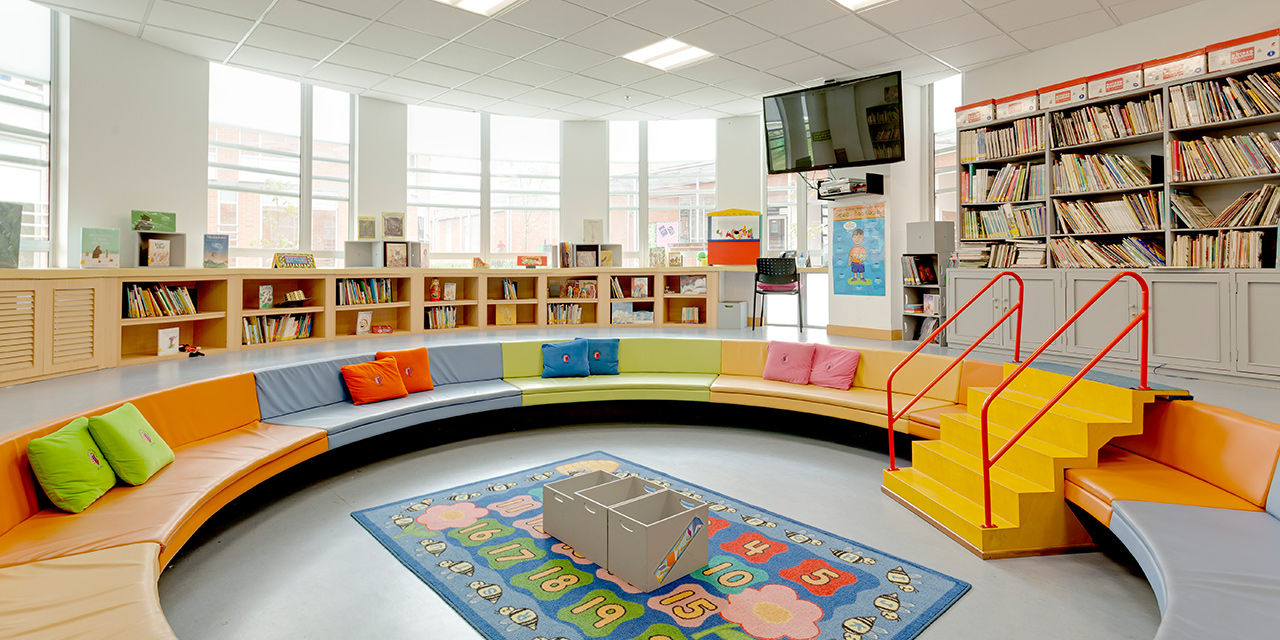
From the start of a child's education to graduation, approximately 15,600 hours spend in the school environment. If this space does not have adequate environmental conditions, such as appropriate ventilation and lighting or thermal comfort, this will undoubtedly affect student performance.
Studies conducted by Harvard University in collaboration with United Technologies Corporation have shown that poor indoor air quality is related to a reduction in cognitive and reasoning capacity. In addition, insufficient ventilation has been associated with increased rates of school absenteeism due to respiratory diseases (WorldGBC).
Currently, multiple investigations support the idea that implementing measures to improve indoor air quality and promote thermal comfort leads to a significant improvement in students' academic performance.
In this regard, buildings with environmental certifications stand out for their good indoor air quality and thermal comfort compared to those that lack these certifications. Research has confirmed that buildings that are well ventilated and certified as sustainable have a positive impact on students' cognitive health and rest.
In addition, research from the University of Missouri indicates that students who attend sustainable schools show higher levels of knowledge in energy efficiency and sustainable construction practices. Constant exposure to these green designs, together with an educational culture promoted by teachers, helps to make students aware of the importance of the environment and sustainability in construction.
It is essential to cultivate environmentally conscious citizens, as they will play a crucial role in solving global environmental challenges in the near future.
The Rochester institution has obtained LEED Gold certification twice and has now achieved LEED Platinum certification for the second time, becoming a leading school in sustainability and environmental awareness in Latin America.
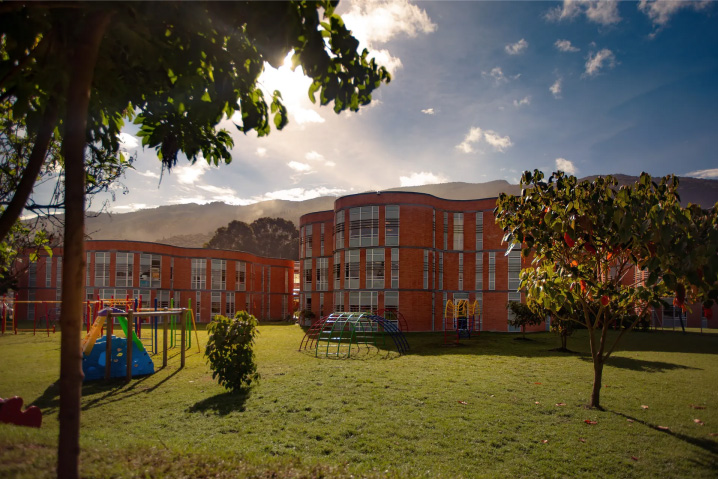
Rochester has a constructed area of 15.533 m2 on a plot of 28,500 m2, with five blocks containing four classrooms each, plus one shared classroom per floor.
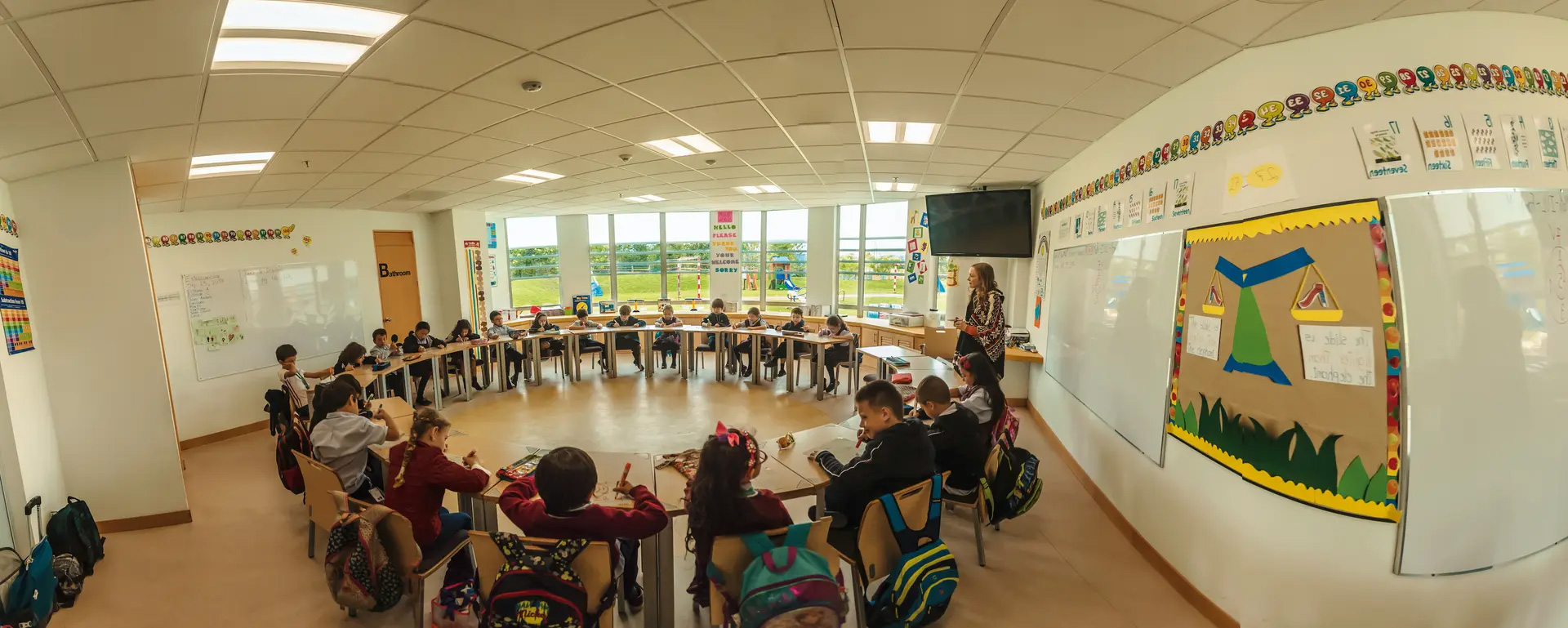
Its classrooms have an automated ventilation system that renews air every five to ten minutes, with the objective of reducing the accumulation of carbon dioxide in the environment, in addition to occupancy, solar radiation and temperature sensors.
It also takes advantage of natural light and combines it with LED lighting, generating a neutral color of 300 lux, which promotes adequate visibility and visual comfort, encouraging students' attention and learning. In addition, the use of light pastel colors promotes concentration.
It has also incorporated certified wood furniture from sustainable sources into its spaces, without adhesives containing formaldehyde, as well as ceilings with high acoustic insulation.
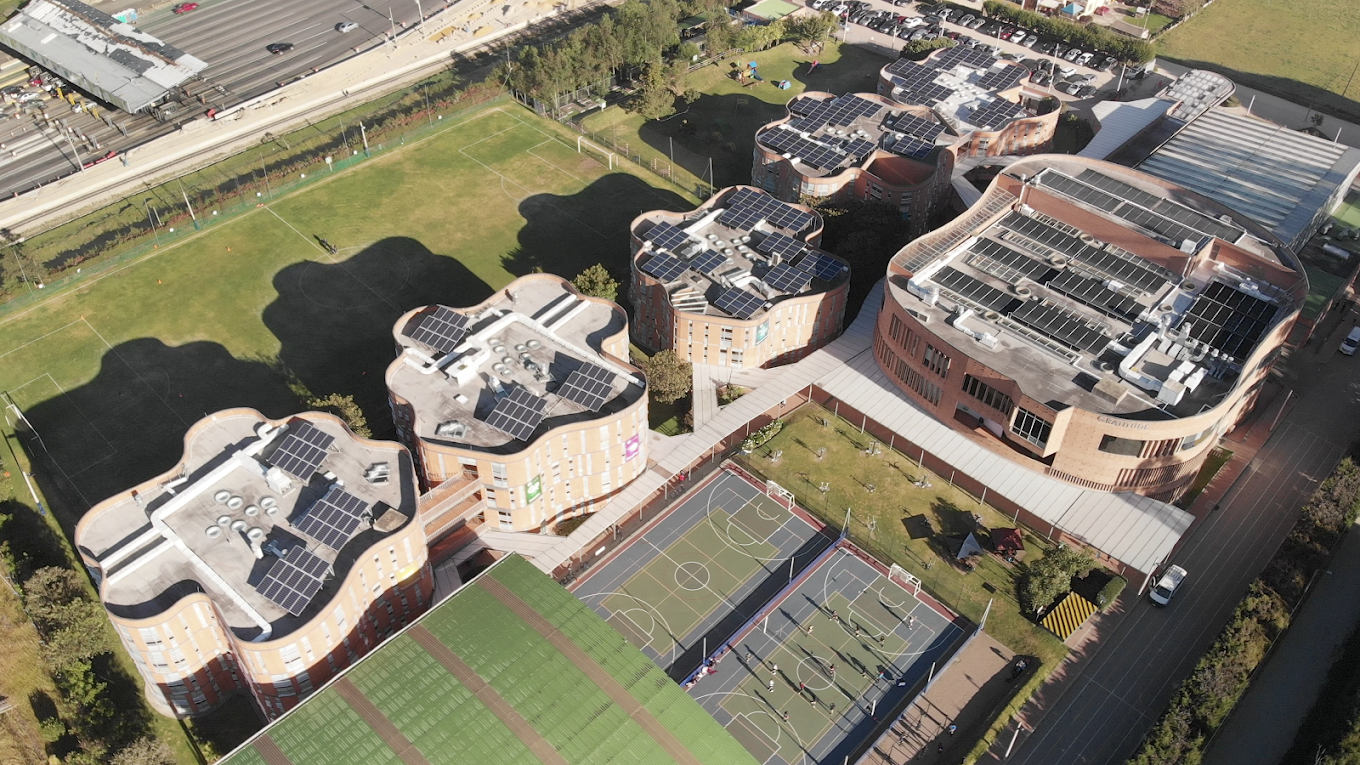
It has photovoltaic panels on the roofs of buildings that generate 20% of the energy required by the school to operate.
With regard to water efficiency, the school has energy-efficient toilets, showers and sinks. In addition, it treats and reuses 100% of wastewater for non-drinkable use.
Paul Laurence Dunbar High School, located in Washington DC, is a four-story, 25,646-square-meter facility that has been certified LEED Platinum, the highest level of LEED.
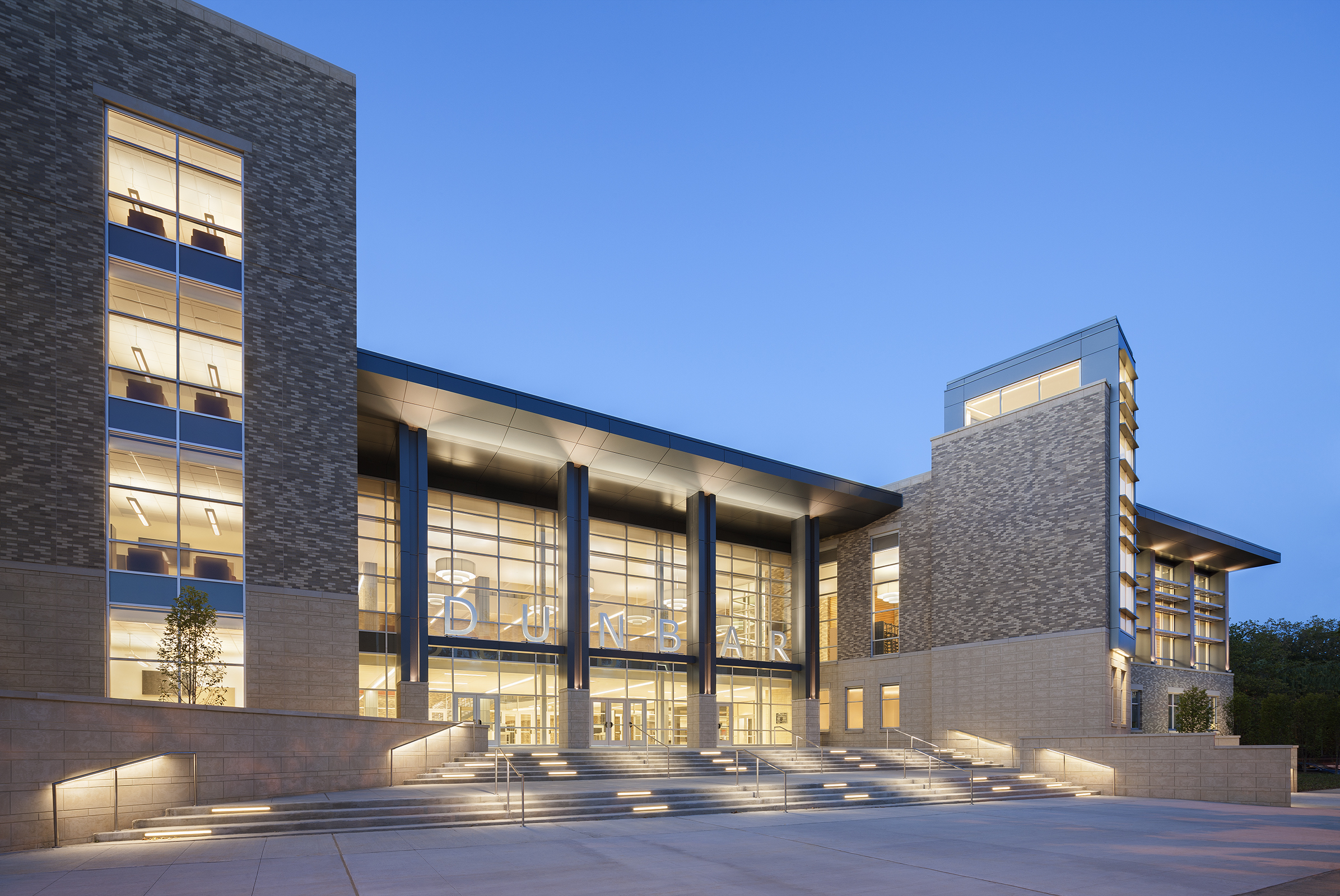
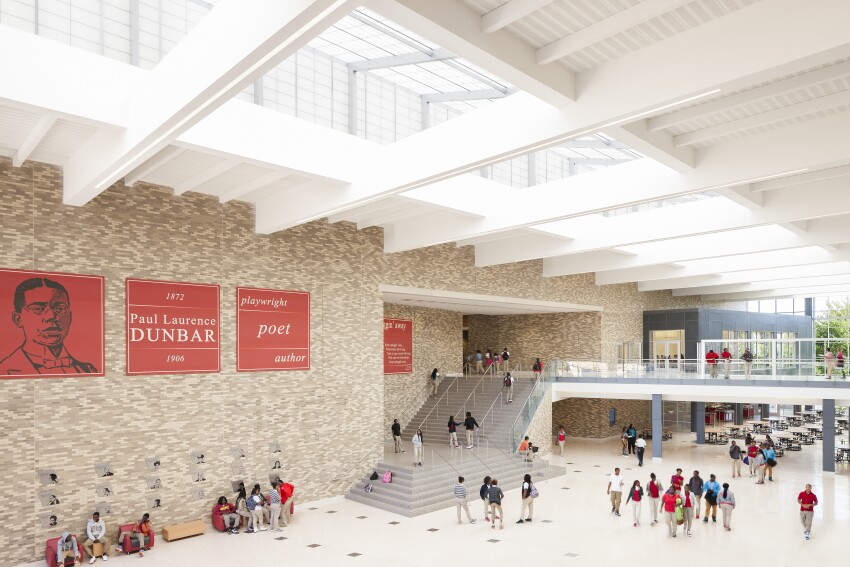
Dunbar makes the most of natural light in its classrooms, which is linked to higher academic performance of students and promotes energy efficiency.

In addition, low-emission paints, materials and furniture were used, along with an outdoor air system that improves indoor air quality, thus promoting a healthier learning environment.
In addition, the design integrates the use of renewable energies, such as geothermal and solar. The geothermal system has 362 vertical wells excavated to a depth of 500 feet, using more than 68 miles of pipe. It also uses underfloor heating to keep students comfortable, in addition to solar panels.

In this way, Dunbar saves between $250,000 and $300,000 annually in energy compared to the district's public school average.
The HAEF kindergarten and preschool, a two-story, 3,400 square meter building with a shape similar to a fish, was the first building to obtain LEED Platinum certification in Greece.

HAEF has a large green roof that helps to harmoniously integrate the building with the environment and to improve local biodiversity.

Taking into account the need to sustainably maintain extensive green areas, a rainwater collection system was incorporated, not only for garden irrigation, but also for use in toilets.
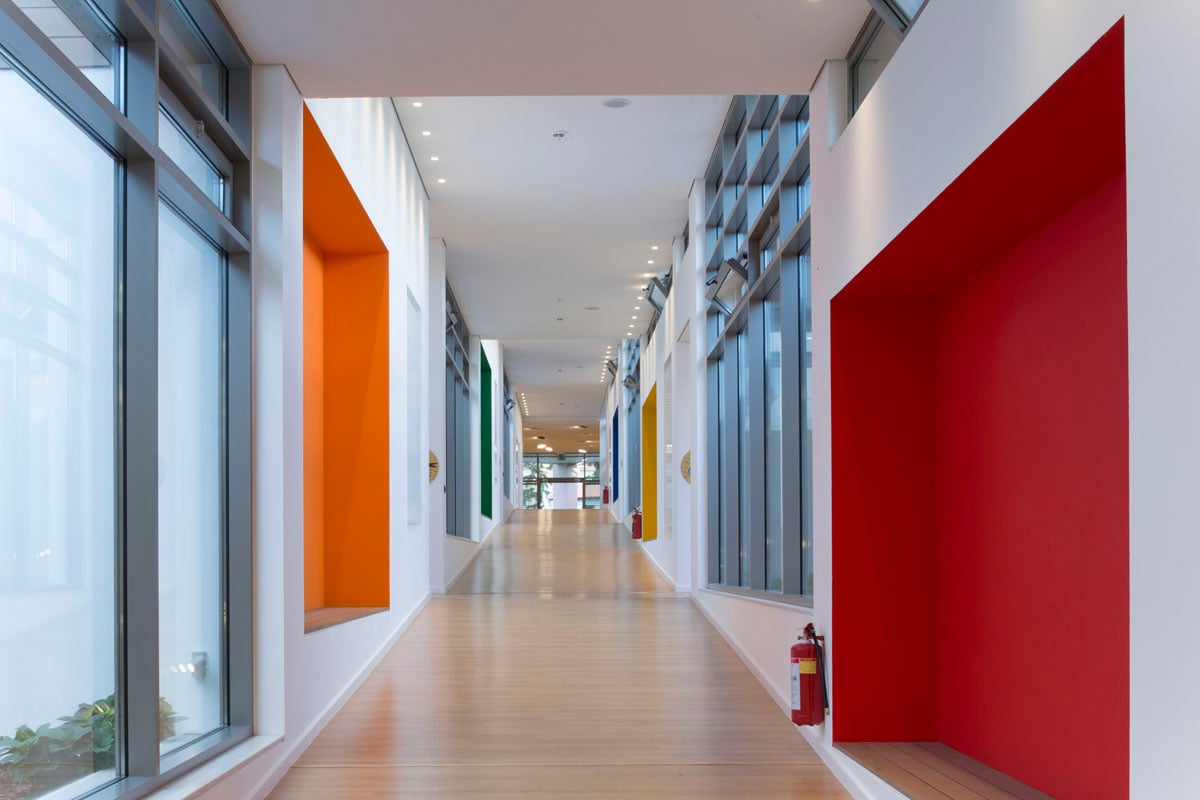
The design was planned to make the most of natural lighting in all regularly occupied areas, thus contributing to energy efficiency and also to the creation of a high-quality interior space.
The Beelieve Preschool of Life kindergarten was the first of its kind to obtain LEED certification in Mexico.
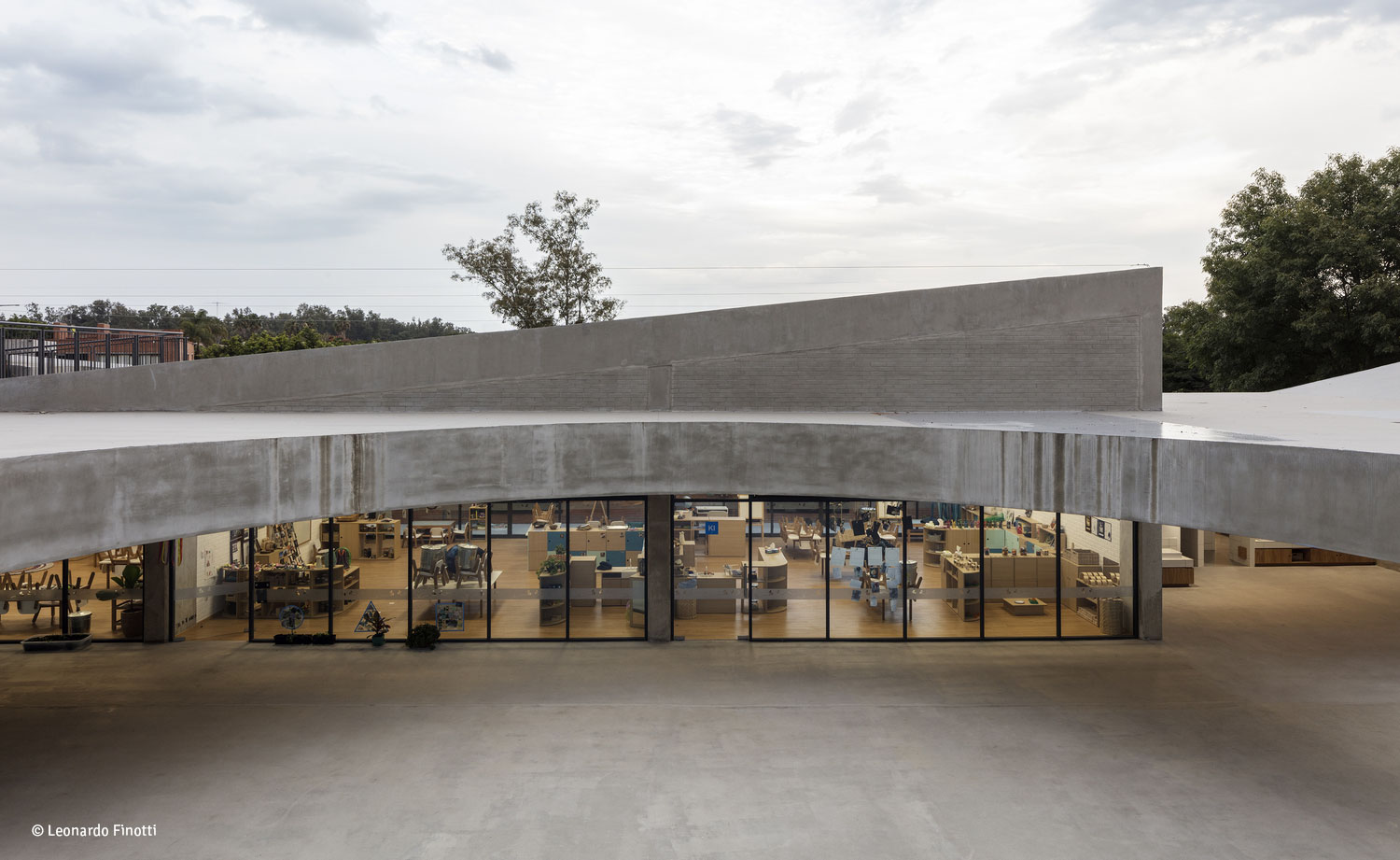
In this case, LEED was chosen because of its complementarity with the Reggio Emilia educational methodology, which focuses on children learning mainly through interaction with their environment, exploring and experimenting actively.
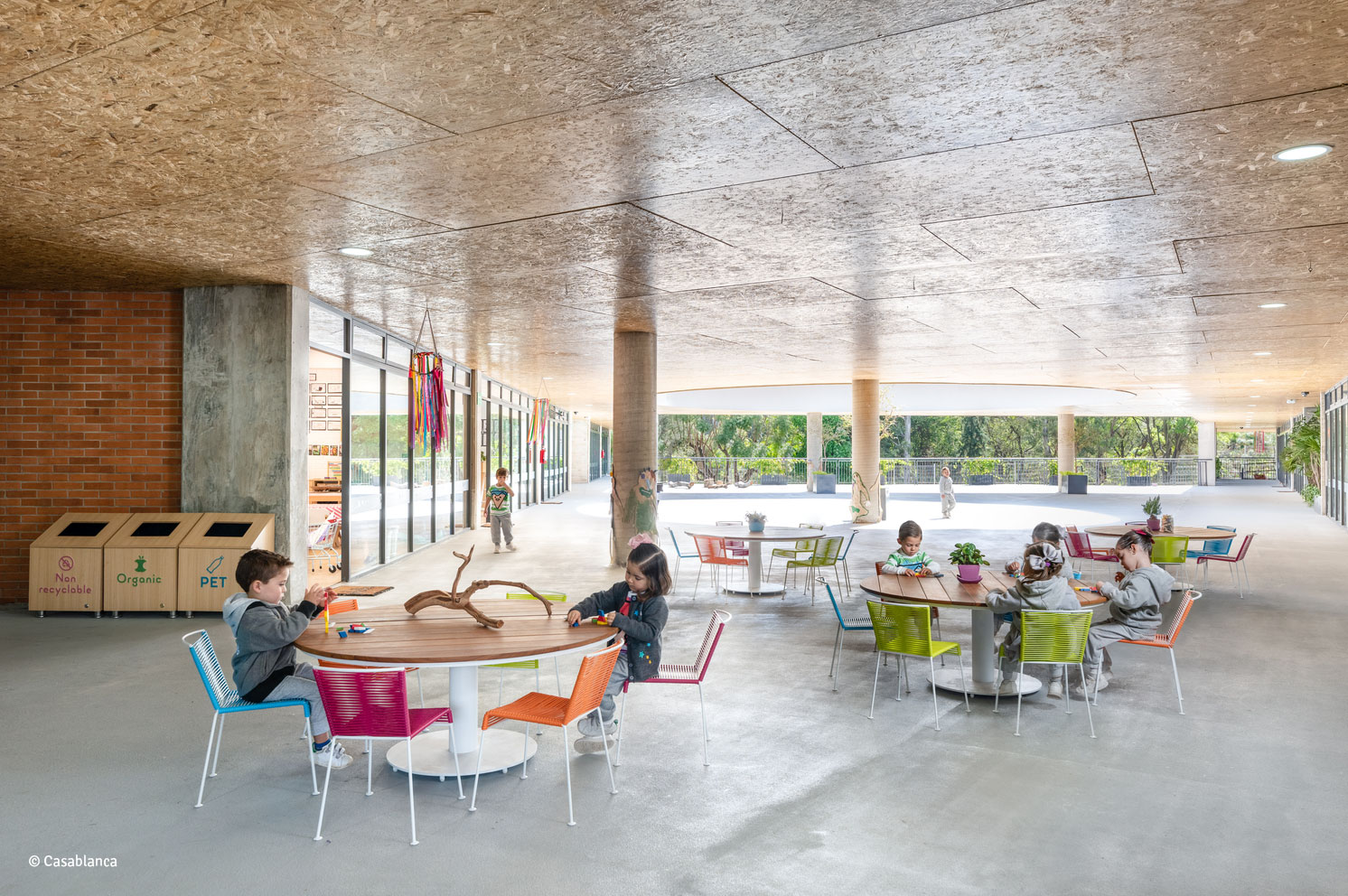
The Beelieve Preschool of Life design focused on using non-toxic materials, maximizing natural lighting, integrating elements of biophilic architecture and creating open spaces as fundamental priorities.

The Erich Walter Heine State School, located in Brazil, is the first LEED certified school in Latin America.

The school has solar panels and combines solar energy with the use of LED lamps to promote energy savings. In addition, it has incorporated a rainwater collection system for non-drinkable use, such as in toilets and irrigation of green areas.
It also has a selective recycling and composting system, as well as a green roof with vegetation that absorbs heat, maintains a more comfortable temperature and improves rainwater drainage.
In addition, it has parking for bicycles and spaces for vehicles with low emissions.

It is also important to note that the design of the building has been designed to be fully accessible to students with special mobility needs, incorporating suitable ramps, larger doors, Braille signage, tactile floor, among other elements.
Sources consulted: WorldGBC usgbc.org rochester.edu.co Publications Week Ecotelhado.com environmentemelhor.com.br
If you are interested in accessing environmental certifications contact us
Leaf Global. Copyright © 2026. All rights reserved.