He leads projects and consulting services under LEED, EDGE, and FITWEL standards, integrating facade optimization strategies, life cycle assessments, and energy modeling to develop high-performance buildings.

Green buildings offer a great opportunity to help combat climate change and support efforts to meet the objectives of the Paris Agreement, by promoting sustainable construction.
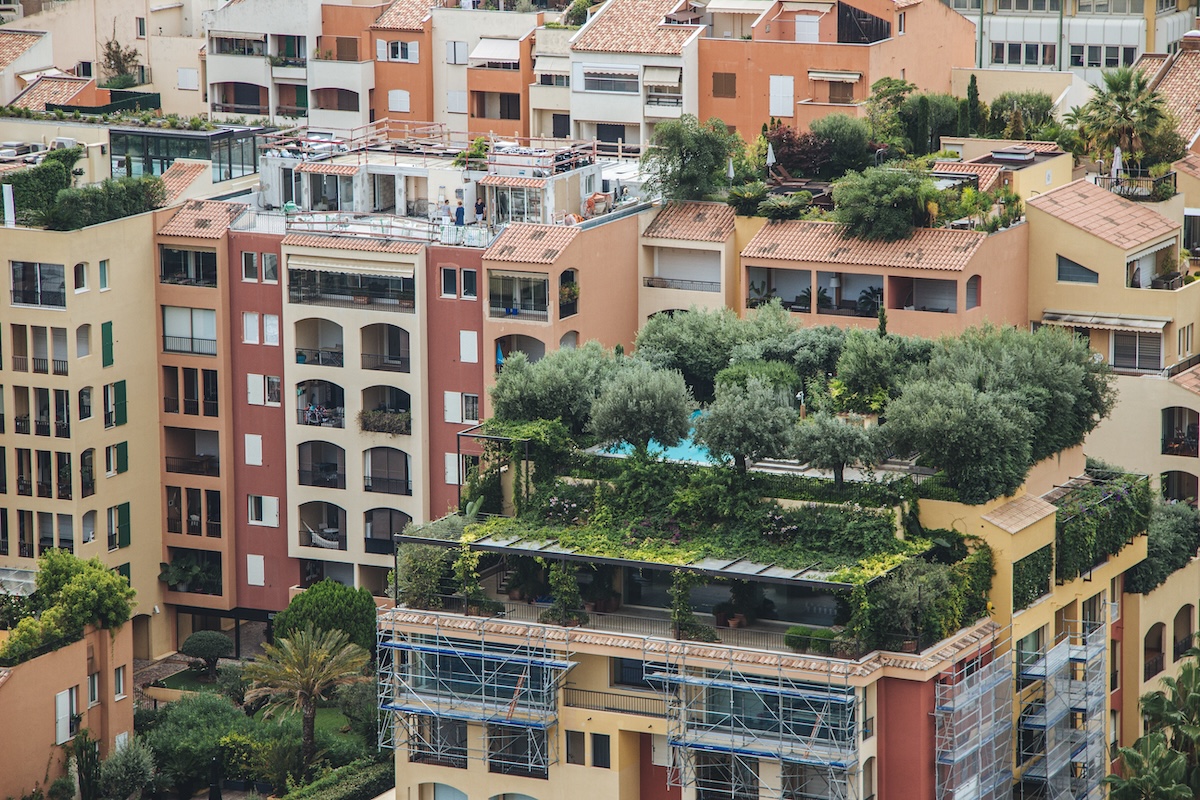
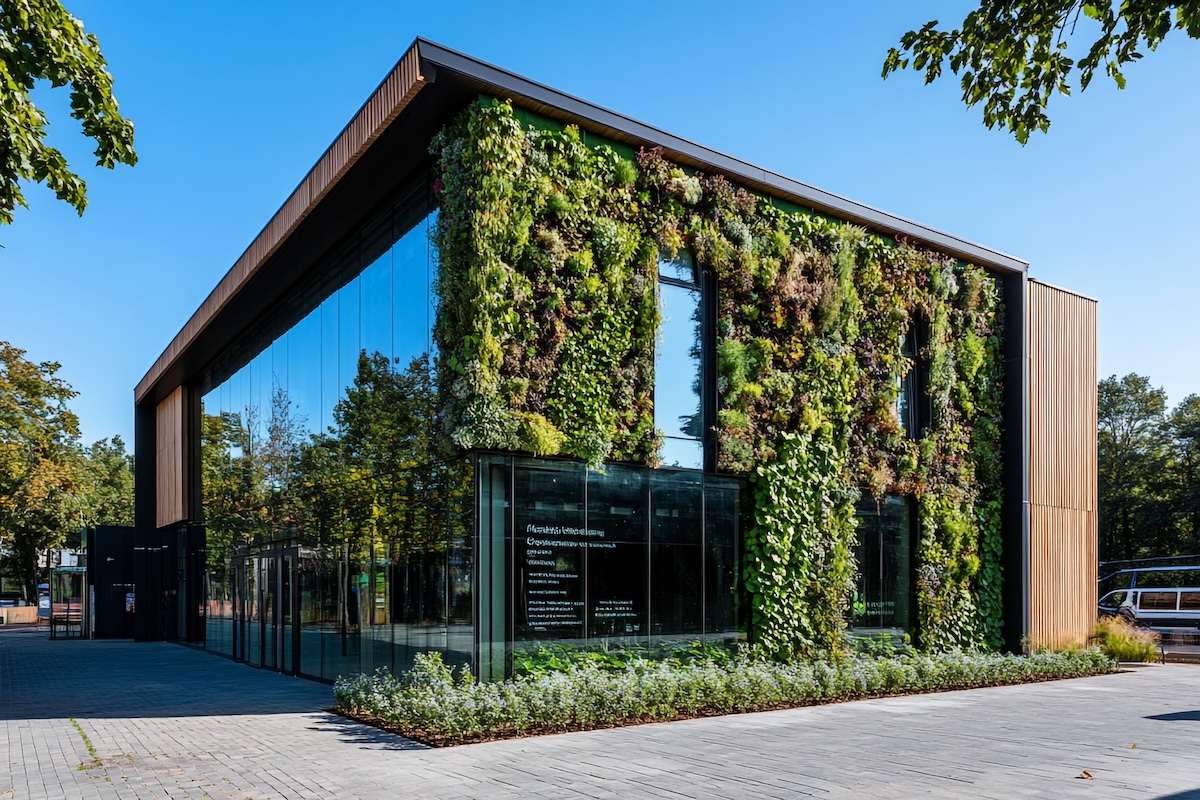
A green building is any construction designed for housing or other activities (such as educational centers, hospitals, offices, community centers, etc.) that, throughout its life cycle, mitigates or eliminates negative impacts on the environment. Therefore, its implementation today is more urgent than ever.
For a building to be considered green, it must meet a series of key characteristics, including:
These measures can be incorporated into both new and existing buildings, and are mostly considered integrally in green building certifications.

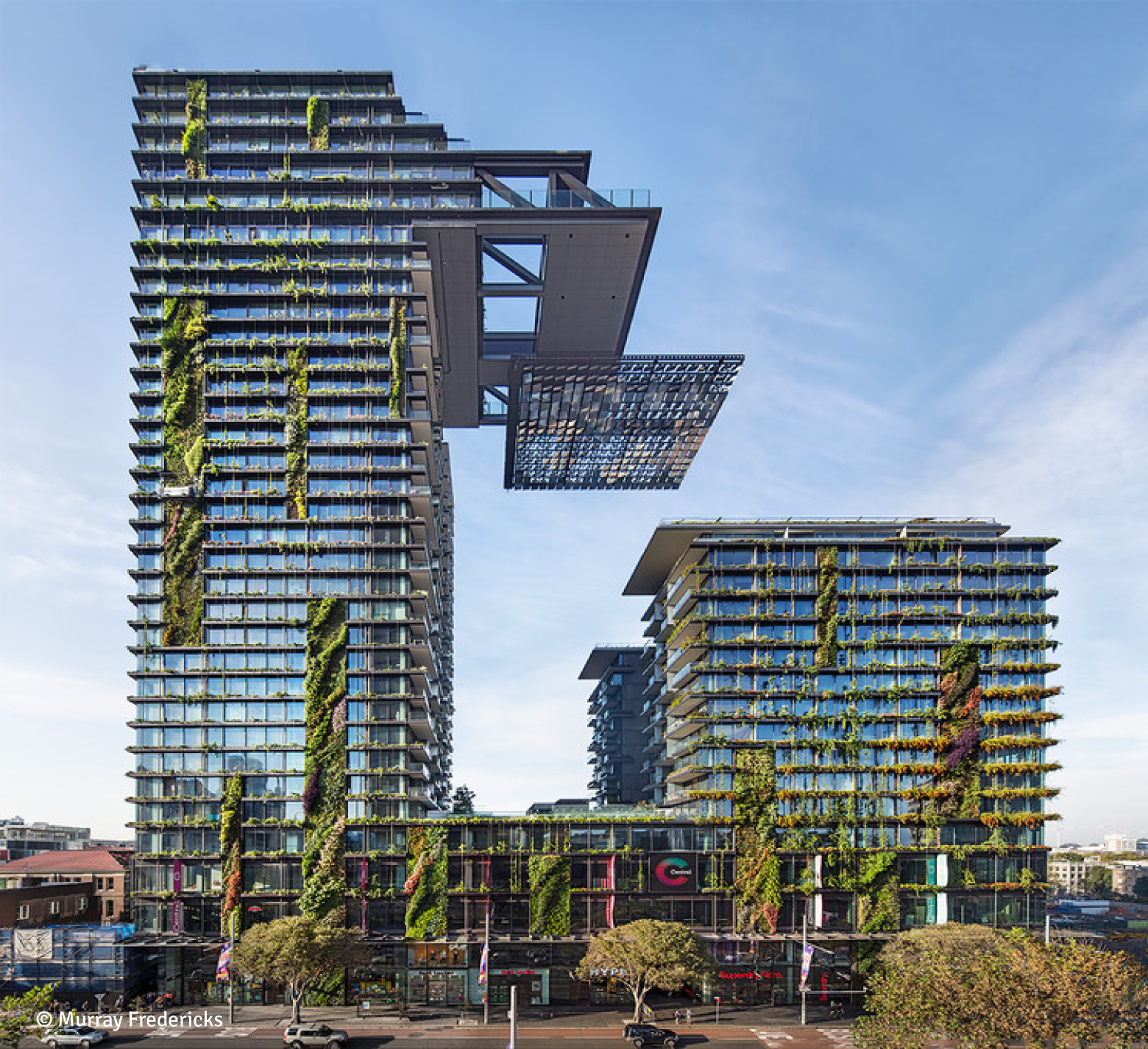
The building One Central Park is covered by 250 species of Australian flora and plants. Designed by Ateliers Jean Nouvel in collaboration with PTW Architects, and opened to the public in 2014, One Central Park is a mixed-use building that consumes 25% less energy compared to similar constructions.
The building has a park at its base and a light reflector installation that extends from the upper levels in an impressive floating cantilever. This reflected light system integrates an innovative set of mirrored panels, both fixed and motorized, designed to capture sunlight and redirect it to the commercial atrium and garden terraces.
The building also includes five underground levels for vehicle parking, in addition to a central plant for water recycling.
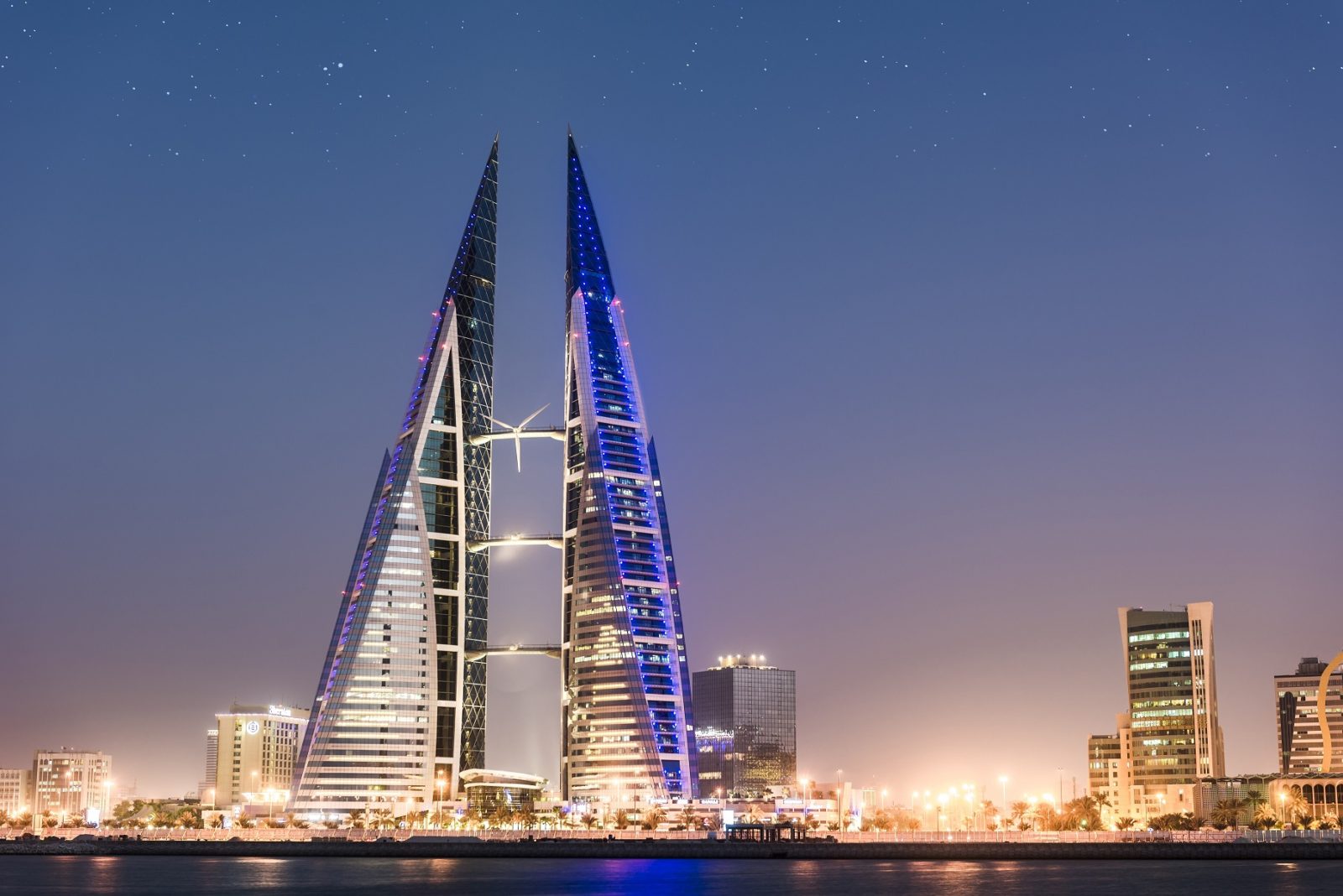
The Bahrain World Trade Center It is a complex of two twin skyscrapers 787 feet (240 meters) high, connected by three bridges that support wind turbines responsible for generating electricity for buildings. This design marked a milestone in the incorporation of renewable energy into skyscrapers, becoming a pioneer of sustainable architecture.
Designed by Atkins and opened to the public in 2008, the towers are designed to channel wind to the turbines and optimize their speed. In addition to offices, the complex has a shopping mall, restaurants, gyms, accommodation spaces, parking lots and a gazebo.
The Museum of Tomorrow and the surrounding gardens are part of Porto Maravilha, the largest urban development project in the country and one of the urban revitalization commitments that Rio de Janeiro made during its bid for the 2016 Olympic Games.
Designed by Santiago Calatrava and opened to the public in 2015, the Museum of Tomorrow has 5,000 m² dedicated to temporary and permanent exhibitions, as well as complementary spaces, totaling approximately 12,600 m². The building has a cantilevered roof with large mobile wings and solar panels adjustable to the optimal angle of the sun. It also offers panoramic views of the São Bento Monastery and Guanabara Bay.
In addition, the building takes advantage of the site's natural resources, using water from the surrounding bay to heat the interior and the solar energy collected by photovoltaic panels to meet its energy requirements.

Sources consulted:
Green buildings: guidelines for the incorporation and accounting of mitigation and adaptation measures to climate change, IDB.
management.pe
with magazine tools
ptw.com.au
Calatrava.com
Do you want to certify your project? contact us
Leaf Global. Copyright © 2026. All rights reserved.