He leads projects and consulting services under LEED, EDGE, and FITWEL standards, integrating facade optimization strategies, life cycle assessments, and energy modeling to develop high-performance buildings.
In the current context, concern for climate change and sustainability has led to a growing interest in green technology and its application in various sectors, including the construction industry. The combination of innovative technological solutions with sustainable practices has resulted in what is known as “Green Tech” or green technology. In this blog, we will explore the importance of green technology in the fight against climate change, with a specific focus on Circular Economy or circular economy, and we will examine examples of green technology applied to buildings and construction, with special attention to modular construction and its impact on waste reduction.
Climate change is one of the greatest challenges facing humanity today. Greenhouse gas emissions and the overexploitation of natural resources are leading to global warming and environmental degradation. Therefore, it is crucial to adopt measures to reduce our ecological footprint and promote more sustainable practices in all areas of society. This is where the green technology, which seeks to develop solutions that minimize environmental impact and promote a more efficient and responsible use of resources.
The circular economy is a central concept in the search for sustainability in the industry. Unlike the linear model of “take, do, discard”, the circular economy seeks to keep products, materials and resources in use for as long as possible, closing product life cycles and reducing waste generation. This approach promotes the reuse, recycling and regeneration of materials, which has a significant impact on reducing carbon emissions and conserving natural resources. See our article on the circular economy in buildings here
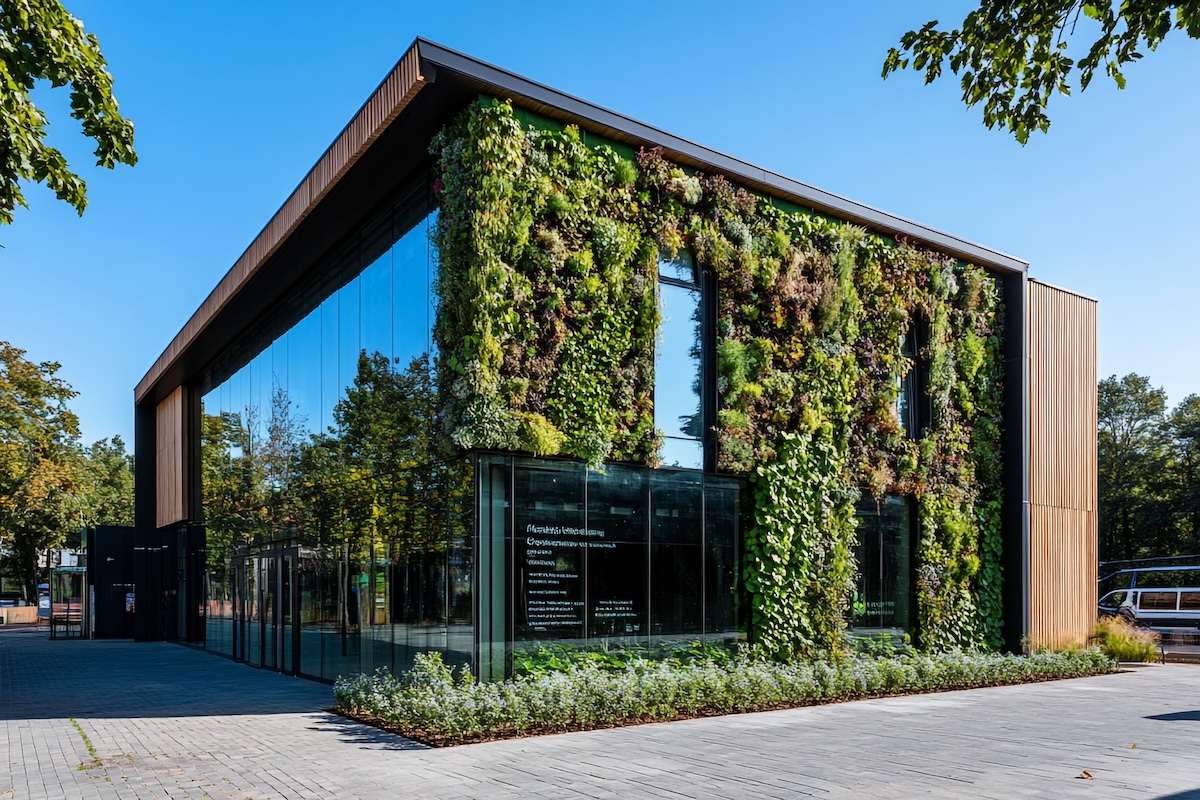
In the construction sector, green technology is making a big difference in reducing the environmental impact of buildings. A prominent example is the modular construction. This technique consists of manufacturing prefabricated modules in a factory and assembling them on the construction site. By reducing the amount of work done on site and optimizing the use of materials, modular construction minimizes the waste generated and decreases the consumption of resources. In addition, these modular buildings can be more energy efficient and offer greater sustainable performance.
Traditional construction usually generates large amounts of waste during the construction process, which has a negative impact on the environment. Instead, the modular construction stands out for its greener and more sustainable approach. By manufacturing the modules in a controlled environment, materials can be reused and recycled, minimizing waste. In addition, efficient transportation and assembly of modules reduces carbon emissions associated with transporting building materials.
Raquel Barrionuevo Sánchez de Machicao, a civil engineer graduated from the National University of Engineering in Peru, shared her experience during a talk on technologies applicable to green construction. In his story, he highlighted the diversity of climates, materials and construction systems in his country and how since ancient times they have been self-taught in construction. He mentioned that even in pre-Inca cultures, concepts of bioclimatic design already existed.
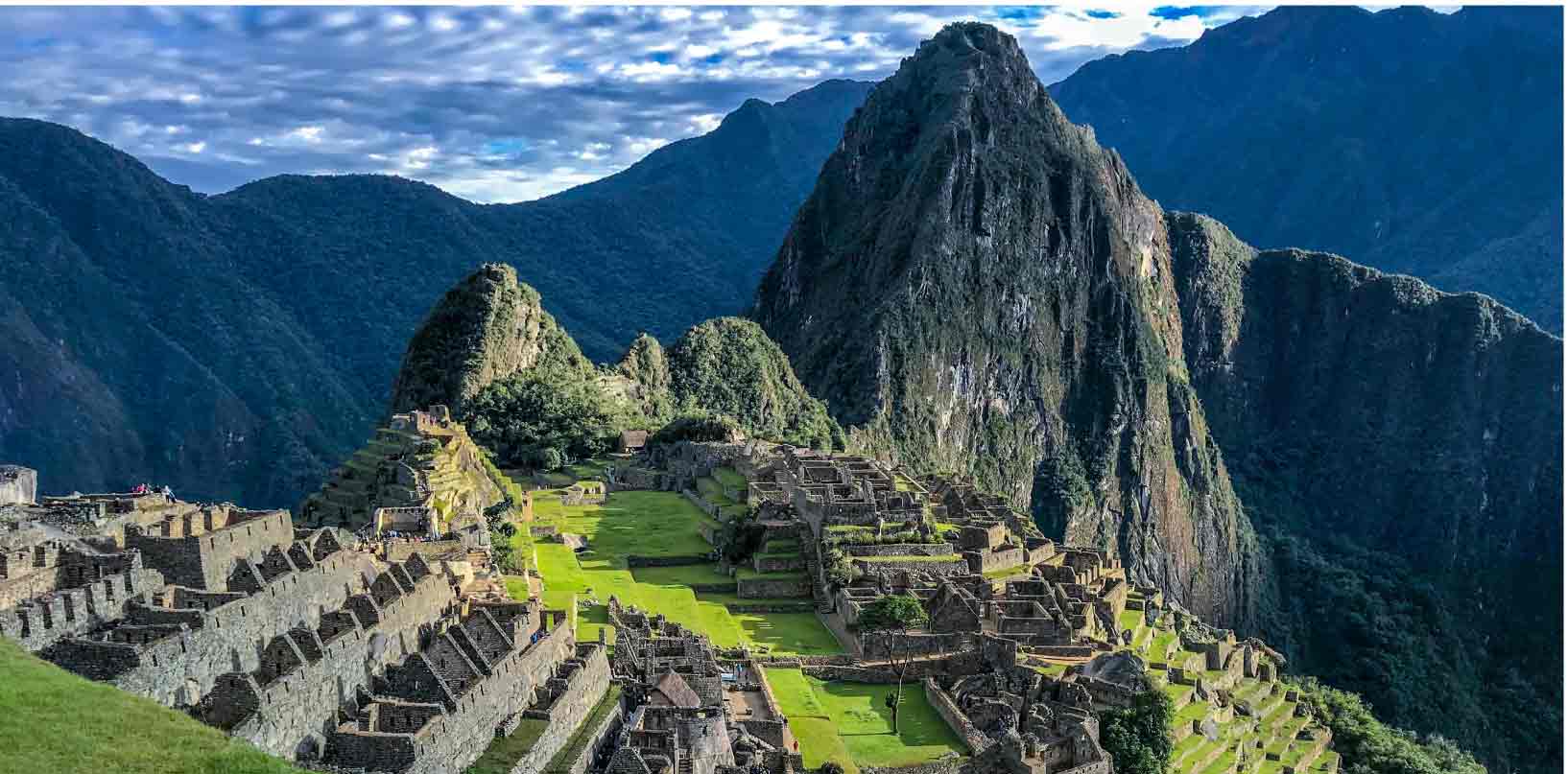
Peruvian ancestors used technologies suitable for their environment, using thick-walled adobe in the coastal area and the mountains. Referring to Machu Picchu, he explained that the orientation of the buildings was designed according to the sun and nature, since they considered these elements as their parents.
As a specialist with studies in Sweden, England and Holland, Barrionuevo emphasized that in the coastal area of Peru, inhabitants build their homes naturally, applying bioclimatic concepts, such as the incorporation of galleries and gable roofs to protect themselves from solar radiation and rain, as well as windows with wooden shutters to control wind and heat.
Leaf Global. Copyright © 2026. All rights reserved.