ESG is a term used to describe the evaluation of environmental, social and corporate governance factors that influence the financial performance of a company. ESG is an acronym that represents Environmental, Social, and Governance. These factors are increasingly important for investors and companies, as they seek a more responsible and sustainable approach to their operations.
The acronym ESG is essential for understanding current investment trends and responsible corporate practices.
The ESG objectives (Environmental, Social and Governance) are a set of goals that seek to promote sustainability and social responsibility in companies. These objectives focus on three key areas: the environment, society and corporate governance.
In the business environment, ESG criteria have become a standard for evaluating the impact and ethics of a company's operations. By adopting these objectives, companies not only seek to improve their financial performance, but also to contribute positively to the environment and society, and to ensure transparent and responsible governance.
ESG objectives are defined as a set of goals that seek to:
These objectives may vary depending on the industry and company size, but they all share the common goal of promoting sustainability and social responsibility.
For example, a company can set goals to reduce its greenhouse gas emissions, improve the working conditions of its employees, and ensure that its corporate governance practices are ethical and transparent.
By meeting these objectives, companies not only improve their reputation and attractiveness to investors, but they also contribute to the overall well-being of society and the environment.
The construction industry is responsible for a significant part of greenhouse gas emissions and the consumption of natural resources.
According to the Global Status Report for Buildings and Construction, this sector represents approximately the 37% of global CO₂ emissions related to energy and close to the 34% of global energy consumption. This makes it a key sector for implementing sustainable practices and reducing environmental impact.
Therefore, the factors ESG (Environmental, Social and Governance) are becoming increasingly important in construction. Integrating these principles not only contributes to sustainability, but also improves the resilience of the sector and its alignment with international standards such as Agenda 2030 and the Sustainable Development Goals (SDGs), especially the SDGs 11 (Sustainable Cities and Communities), 12 (Responsible Production and Consumption) and 13 (Climate Action).
Beyond the environmental aspect, the pillar societal ESG in construction encompasses the quality of life of workers and occupants. This includes:
As for the governance, the industry is facing a growing demand for transparency and accountability. Regulations such as those of the Global Reporting Initiative (GRI), the Task Force on Climate-related Financial Disclosures (TCFD) And the ISSB Sustainability Standards require construction companies to submit detailed reports on their ESG performance, including sustainability measures, risk management and regulatory compliance.
There are several ESG factors that are relevant to the construction of green buildings, including:
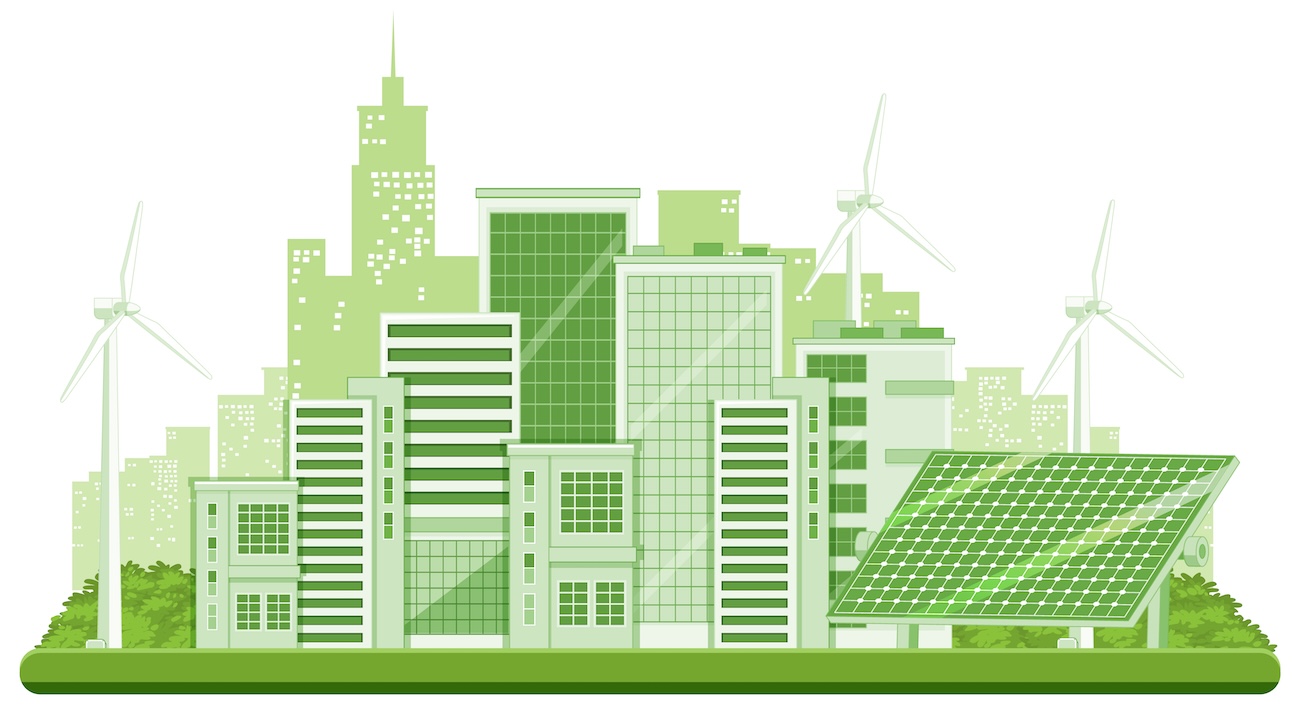
Los green buildings are a key strategy for advancing ESG objectives. Designed to reduce their environmental impact and improve the quality of life of their occupants, these projects incorporate:
Certifications such as LEED, EDGE, BREEAM and Envision they allow us to evaluate and validate compliance with these principles.
In conclusion, the construction of green buildings is an effective way to achieve ESG objectives in the construction industry. Green buildings reduce environmental impact, improve the quality of life of their occupants and promote responsible and transparent management. This is why the construction of green buildings is increasingly important for companies and investors looking for a more responsible and sustainable approach to their operations.
Are you thinking about certifying your green building? Get in touch with us
Leaf Global. Copyright © 2026. All rights reserved.