He leads projects and consulting services under LEED, EDGE, and FITWEL standards, integrating facade optimization strategies, life cycle assessments, and energy modeling to develop high-performance buildings.

Below is a list of ecotechniques and green technologies that are currently used in the field of sustainable construction to contribute to energy efficiency and reduce the carbon footprint of a building.
It is essential for the energy efficiency of a building. Materials such as sheep wool, recycled cellulose, hemp, recycled denim, recycled paper, cork and linen are used as insulators, forming an effective barrier against heat transfer and helping to reduce heating and cooling costs. Learn more about insulating materials.
They reduce the amount of heat absorbed by building surfaces and are low in volatile organic compounds (VOCs).
Adjust its opacity level using an electrical signal to control the amount of sunlight entering the building.
They reflect heat both inside and out, helping to keep heat inside the building in winter and block outside heat in summer.
They decompose naturally in the environment without causing pollution, such as bamboo, wood, mycelium and cane fiber panels.
Those materials that have already been used previously, such as recycled concrete and steel, and that can be recycled at the end of their useful life, such as glass and metals. Learn more about the most used and innovative materials in sustainable construction.
It digitally and 3D models the detailed information of a building to optimize efficiency in its design, construction and management throughout its life cycle, also contributing to the optimization of resources and the reduction of environmental impact. Learn more about energy modeling with BIM.
They make it possible to manufacture modular and prefabricated designs in controlled environments, using sustainable materials, facilitating reuse and adaptability, as well as reducing the time and amount of waste generated during the construction of a building. Learn more about modular construction technologies.
Virtual replication that allows monitoring, analyzing and optimizing the operational performance of a building in real time. It is used in various industries besides construction.
They allow rainwater to be captured and reused. These systems can be incorporated into the building design, strategically placing devices such as gutters and cisterns to collect rainwater, which can be reused later. This helps to reduce drinking water consumption and mitigate urban flooding. Learn more about rainwater collection systems.
They convert sunlight into electricity through the photovoltaic effect. They are a source of renewable and clean energy that helps reduce dependence on fossil fuels and reduces greenhouse gas emissions. In addition, they can be easily integrated into building design, providing long-term economic benefits through reduced energy costs. Learn about examples of buildings with integrated photovoltaic solar panels here.
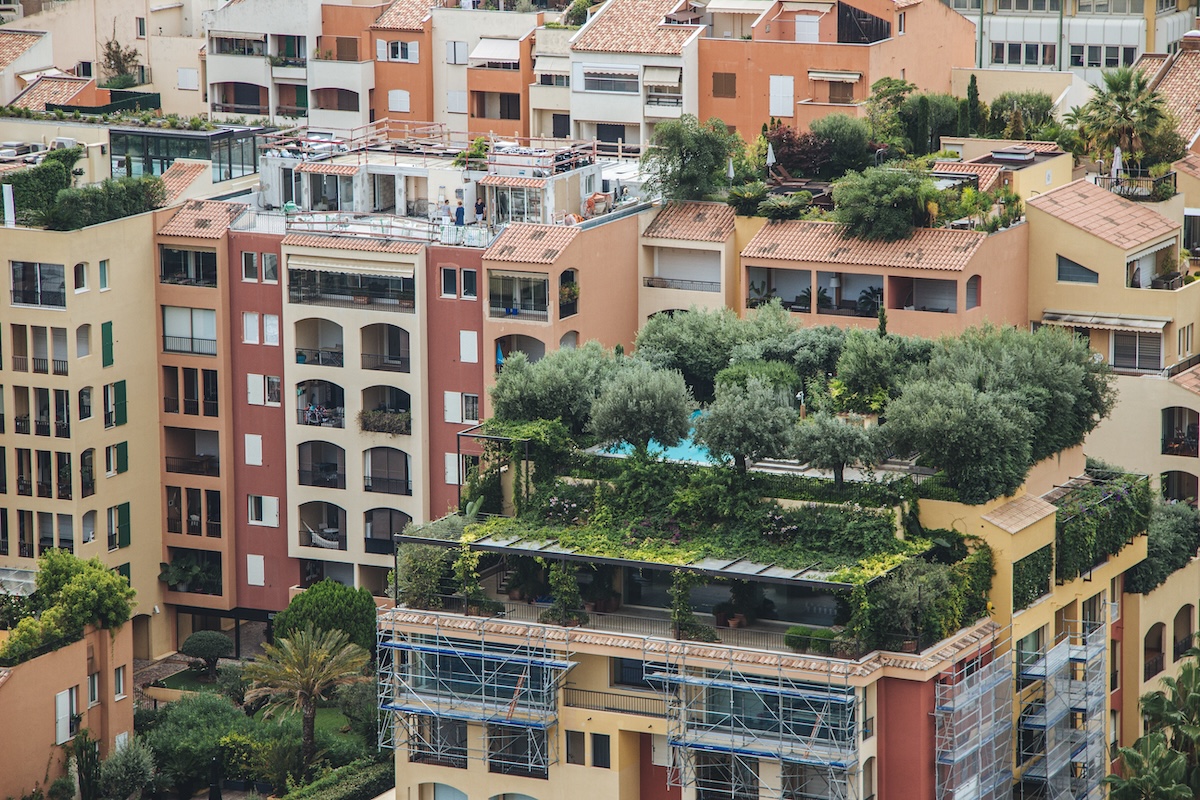
They are composed of a layer of vegetation planted on a substrate, a drainage layer and an impermeable membrane that is integrated into the roof of any type of building. These roofs help improve the building's thermal insulation, reduce water runoff by absorbing part of the rain, and help mitigate the urban heat island effect. Learn more about the benefits of green roofs.
It uses natural soil heat to provide efficient heating and cooling through a heat exchange system. This system consists of pipes buried in the ground called “geothermal collectors”, which capture heat from the ground to heat the building in winter and dissipate it to the ground to cool the building in summer. Learn more about geothermal energy.
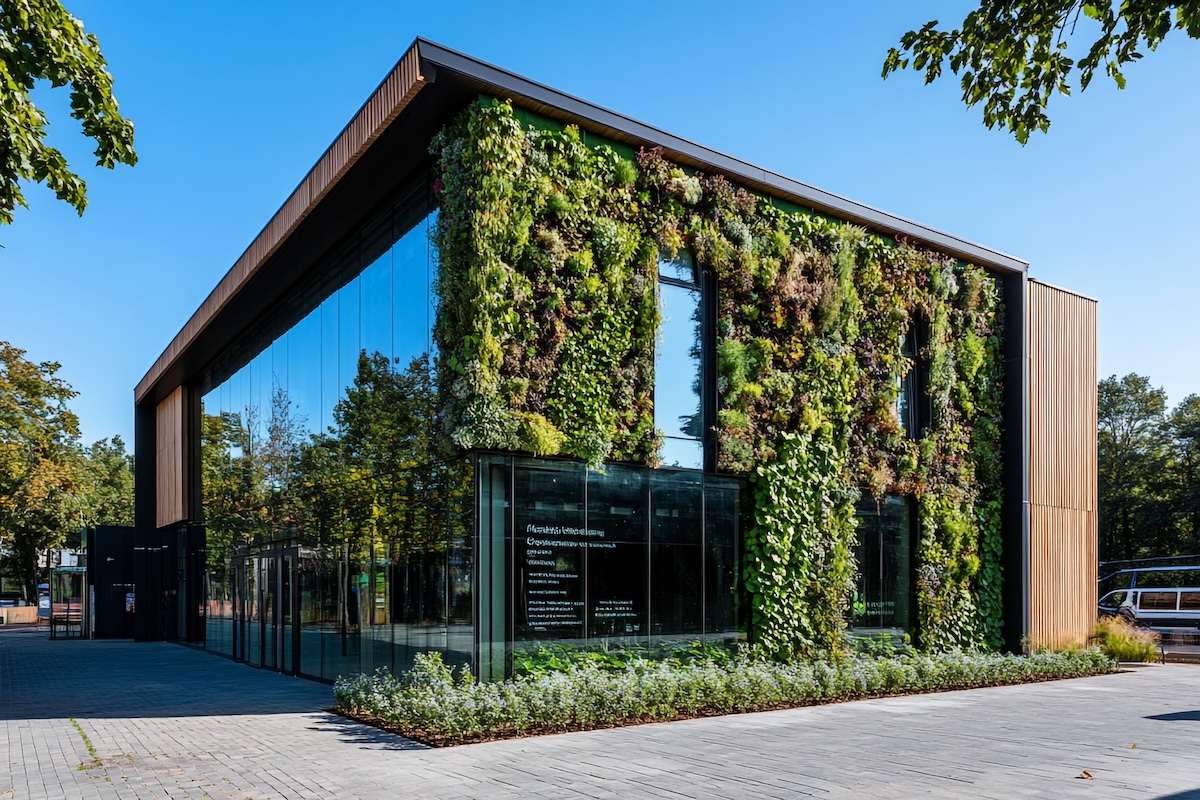
They absorb and store solar energy in the walls, incorporating a passive heating system into the building envelope and taking advantage of the heat of the solar rays that hit the façade.
Sources consulted:plb.cat/plb-news/sustainable-construction-2/nanquitectura.com/2024/05/23/technologies-used-in-sustainable-architecture-and-construction-i/33807
Leaf Global. Copyright © 2026. All rights reserved.