He leads projects and consulting services under LEED, EDGE, and FITWEL standards, integrating facade optimization strategies, life cycle assessments, and energy modeling to develop high-performance buildings.
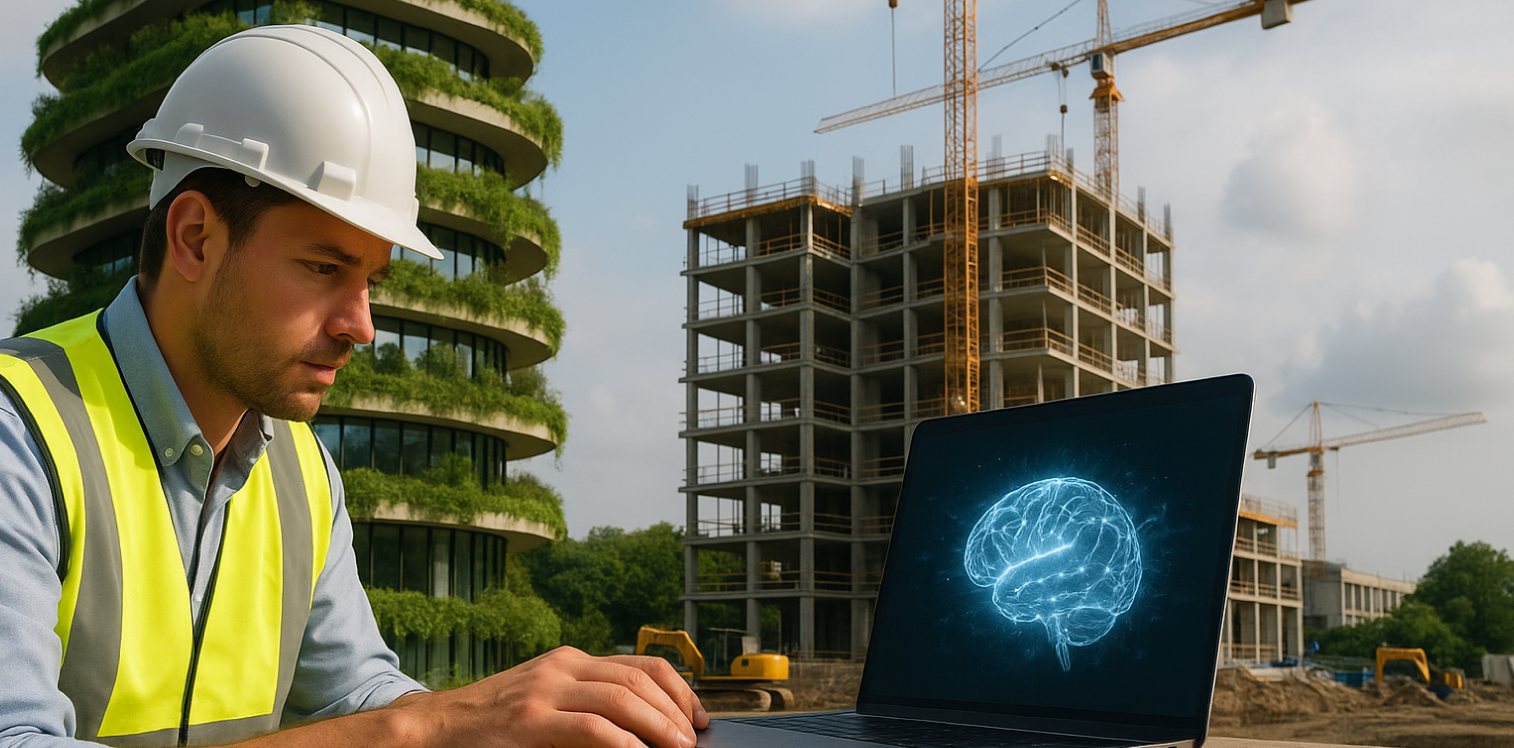
THE LIFE CYCLE ANALYSIS OF A BUILDING is essential for sustainable construction. It assesses the environmental impact at all stages of the building, from material extraction to demolition.
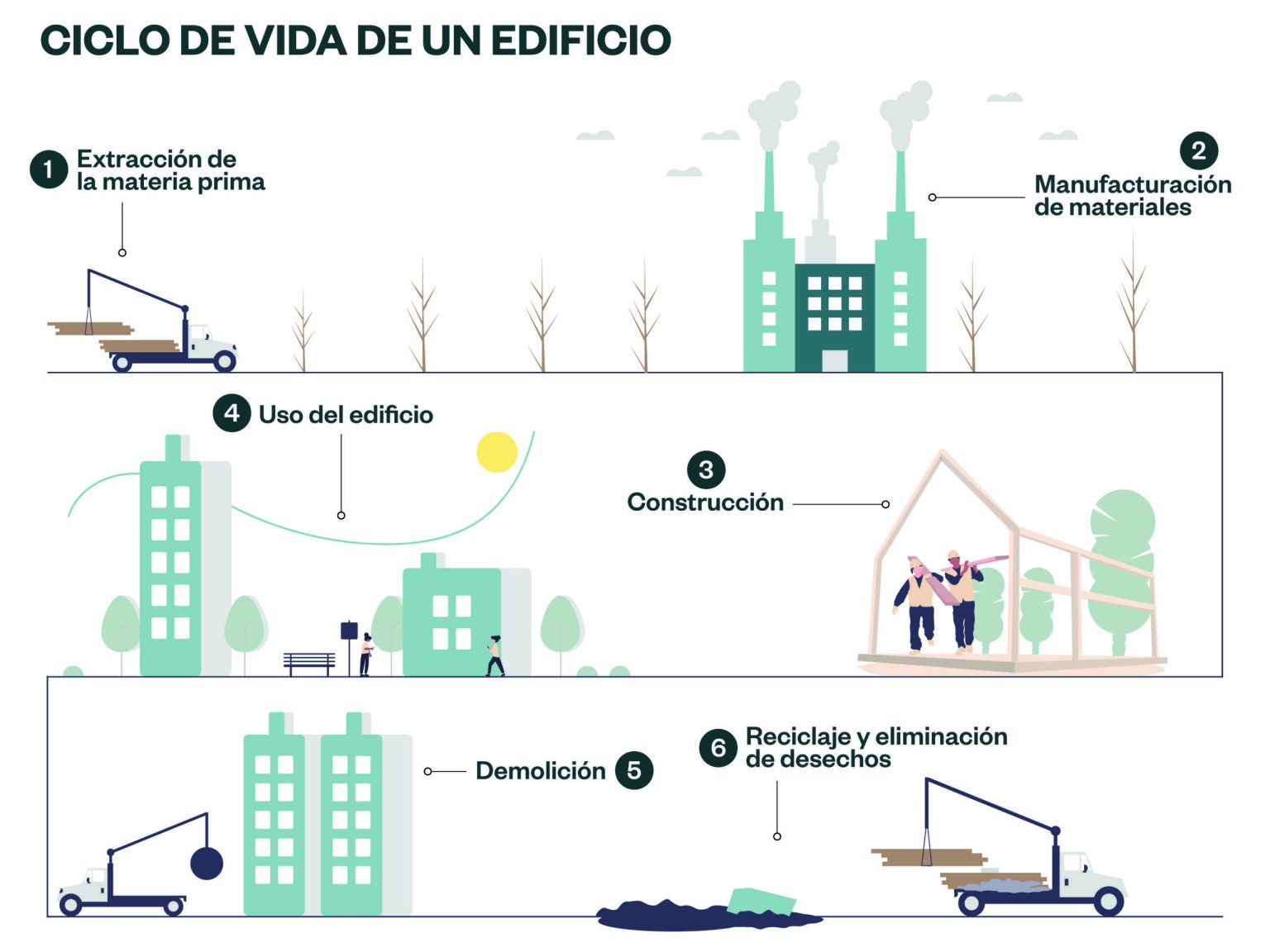
Image from Econova Institute of Architecture and Engineering
Life Cycle Analysis is a methodology that measures the environmental impact of a product throughout all stages of its life. From the extraction of raw materials to their disposal or recycling, the LCA objectively estimates and evaluates the environmental impacts generated in each phase of the cycle.
The main objective of the LCA is to consider all stages of a building's life cycle, thus allowing a full assessment of its environmental impact. This includes:
This ensures that environmental impact is taken into account in every phase of the building's life cycle.
Life Cycle Analysis has become a key tool for building more sustainable, efficient and environmentally responsible buildings.
By understanding and mitigating environmental impacts at every stage of the life cycle, construction projects can optimize resource use and significantly reduce their ecological footprint.
Life Cycle Analysis has become a fundamental tool for understanding the complexity of production systems in the construction sector.
By comprehensively evaluating environmental impacts, the LCA makes it possible to reduce carbon emissions and improve the operational efficiency of buildings.
Understanding the relationship between the materials used and their environmental consequences is crucial to optimize the use of resources in construction.
This not only helps to reduce the environmental impact of a building, but it also promotes the implementation of renewable energy and energy efficient technologies.
In addition, the implementation of government policies and education about LCA are essential to promote the reduction of waste in construction.
By adopting the LCA, construction projects can move towards a more sustainable and responsible building, thus contributing to a greener and healthier future.
The Life Cycle Analysis of a building covers a series of defined stages, from the extraction of raw materials to the final disposal of the building.
Each of these phases has its own set of environmental impacts and opportunities for improvement that must be carefully evaluated.
The LCA makes it possible to identify the stages with the greatest environmental footprint, providing valuable information to optimize the use of resources and reduce emissions.
Next, each of these phases will be analyzed in detail to better understand how LCA is carried out in building construction.
The extraction of raw materials is the first stage of a building's life cycle, and can have a significant environmental impact.
During this phase, soil and water pollution, as well as the emission of gases into the atmosphere, are common problems that must be addressed.
To promote more sustainable construction practices, it is essential to keep these impacts to a minimum.
This can be achieved through the implementation of cleaner and more efficient technologies, as well as the adoption of extraction methods that respect the environment and reduce carbon emissions.
The production and transportation phase of construction materials also has a significant environmental impact.
The environmental impact analysis includes the evaluation of the emissions generated during the manufacture of these materials, which is essential to understand the total ecological footprint of the project.
Transporting materials from production sites to the construction site also contributes to carbon emissions.
Evaluating and optimizing these processes can help to significantly reduce the environmental impact of construction projects.
The construction phase includes the management of waste generated and the efficient use of resources during the process.
Proper waste management is crucial to minimize environmental impact and ensure that resources are used responsibly.
In addition, this phase includes the use of machinery and technology necessary to develop the project. The adoption of more efficient technologies and the optimization of the use of machinery can contribute to a reduction in emissions generated during construction.
During the operation and maintenance phase, the impact of the building's energy use is a key factor to consider.
Energy and water use are closely monitored to ensure that the building operates efficiently and sustainably.
The collection of data on energy use, material consumption and emissions makes it possible to carry out a detailed analysis to assess environmental impact and identify areas for improvement.
This optimized and holistic methodology ensures that the building maintains sustainable performance over time.
The final stage of a building's life cycle includes demolition and the final disposal of materials.
The LCA considers the environmental effects of this phase, ensuring that waste is properly managed to minimize environmental impact.
Evaluating materials for possible reuse and properly recycling waste are fundamental practices to reduce the ecological footprint during this stage. Environmental analysis in the demolition phase includes evaluating the impact of the waste generated and its final disposal.
The integration of LCA into construction has been shown to decrease long-term operating costs.
By analyzing and optimizing each stage of a building's life cycle, opportunities can be identified to reduce emissions and improve energy efficiency.
More and more environmental certifications, such as LEED and BREEAM, require a Life Cycle Analysis as part of their criteria. These certifications recognize the importance of analysis to assess environmental impact and promote sustainable construction practices.
The use of sustainable and innovative materials is also key to reducing the environmental impact of a building. For example, facade panels made from rice waste can prevent the emission of 52 kg of CO2e/m².
Implementing the LCA from the design phase guarantees sustainable and cost-effective projects.
Life Cycle Analysis allows us to evaluate the environmental impact of a building from its conception to its demolition. The implementation of the LCA contributes to improving energy efficiency and reducing operating costs throughout the building's life cycle.
However, common challenges in implementing the LCA include the lack of accurate data and the need to sensitize construction actors about its importance.
Next, we will mention the tools and methodologies available to effectively carry out an LCA.
There are several tools and technologies available to perform an LCA in construction. Net Zero LCA is one of the tools used for this purpose, allowing a detailed analysis of the life cycle.
In addition, integration with digital technologies, such as building information modeling (BIM), facilitates the evaluation of sustainability in projects.
Tools such as Archimedes And the MedBIM Plugin - Revit they also facilitate the carrying out of an LCA in an easy and detailed manner.
The integration of data from the beginning of the project helps to minimize the ecological footprint and guarantee customized construction solutions.
The rules NTC-ISO 14040 and NTC-ISO 14044 are the main guidelines related to environmental management and life cycle analysis. ISO 14040 provides a framework for life cycle assessment, including the definition of the objectives and scope of the study.
International LCA methodologies establish clear procedures for evaluating the environmental impact of products and processes.
These methodologies ensure that the analysis is carried out in a consistent and accurate manner, providing reliable results for decision-making in sustainable construction projects.
The implementation of the LCA in construction projects faces several challenges, some of the main challenges are:
To overcome these obstacles, it is essential to promote awareness of the importance of analysis among construction actors and to establish government policies that encourage its use.
Policies that establish clear environmental objectives can significantly improve their implementation, allowing construction projects to adopt more sustainable and responsible practices.
The use of LCA has gained momentum in the construction industry in recent years and this trend is expected to continue to grow. The growing awareness of sustainability and the importance of reducing environmental impact have made the LCA a key tool for the adoption of ecological practices in construction.
A key trend in the future of LCA is the focus on the full life cycle of buildings, from conception to demolition.
Considering the entire life cycle allows us to identify areas for improvement and to make informed decisions that promote sustainability and energy efficiency in buildings.
Life Cycle Analysis is an essential methodology for evaluating and mitigating the environmental impacts of buildings throughout all their life stages. From the extraction of raw materials to demolition and final disposal, the LCA allows us to identify opportunities to reduce emissions, optimize the use of resources and improve energy efficiency.
Adopting the LCA in construction projects not only contributes to sustainability and environmental responsibility, but also guarantees the long-term profitability and success of buildings.
By integrating evaluation from the design phase, more sustainable and efficient projects can be created that benefit both the environment and future generations.
The Life Cycle Analysis (ACV or LCA) is a methodology that evaluates the environmental impact of a product at each of its stages, from the extraction of raw materials to their disposal or recycling. This tool is essential for identifying opportunities for improvement in product sustainability.
Life Cycle Analysis is crucial in sustainable construction because it facilitates the reduction of carbon emissions, optimizes the use of resources and minimizes waste. This promotes more responsible and sustainable practices in the construction sector.
The stages of a building's Life Cycle Analysis include the extraction of raw materials, production and transportation, construction, operation and maintenance, and demolition and final disposal. These phases are essential for evaluating the environmental impact of the building over its useful life.
To perform an LCA, you can use tools such as Net Zero LCA, Archimedes And the MedBIM Plugin - Revit, which make it possible to carry out a detailed and efficient analysis.
Implementing Life Cycle Analysis in construction projects offers benefits such as reducing operating costs and improving energy efficiency, as well as making it easier to obtain environmental certifications. These aspects contribute to the creation of more sustainable and responsible buildings.
At Leaf, we advise you with the Life Cycle Analysis of your project. Contact us here
Leaf Global. Copyright © 2026. All rights reserved.