He leads projects and consulting services under LEED, EDGE, and FITWEL standards, integrating facade optimization strategies, life cycle assessments, and energy modeling to develop high-performance buildings.

Today, organic architecture goes beyond being a mere aesthetic trend; it represents an integral approach to design and construction that is rooted in the deep connection between human beings and their environment. Through its fundamental elements, from the use of natural materials to the inclusion of fluid forms and the prioritization of sustainability, this philosophy completely redefines the relationship between construction and nature.
It emerged at the beginning of the 20th century, in the context of movements such as Arts and Crafts, modernism and rationalism, organic architecture proposes a total integration between building and natural environment. Inspired by living organisms, this trend is committed to harmonious structures, adapted to the landscape and focused on sustainability.
This architectural philosophy yearns for the creation of spaces that are not only functional, but that also inspire people to connect intimately with nature and to contemplate their role in the world. The interior and exterior spaces are intertwined in a coherent synergy, giving occupants the feeling of belonging to their environment, rather than feeling separated from it.
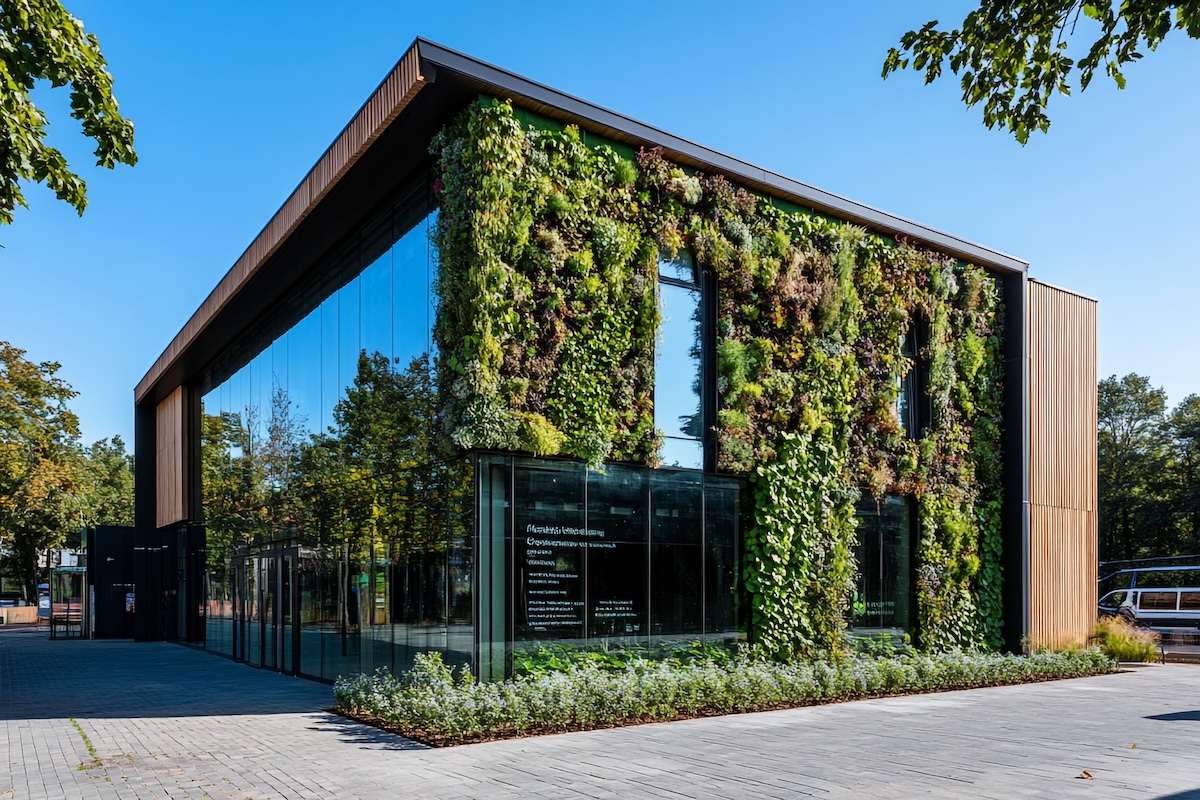
At the heart of organic architecture is a preference for using natural materials, such as wood, stone and clay. This choice not only reduces the environmental footprint, but it also encourages a more harmonious coexistence with our planet. The selection of these materials not only provides a unique aesthetic, but also brings benefits in terms of energy efficiency and the creation of healthy spaces.
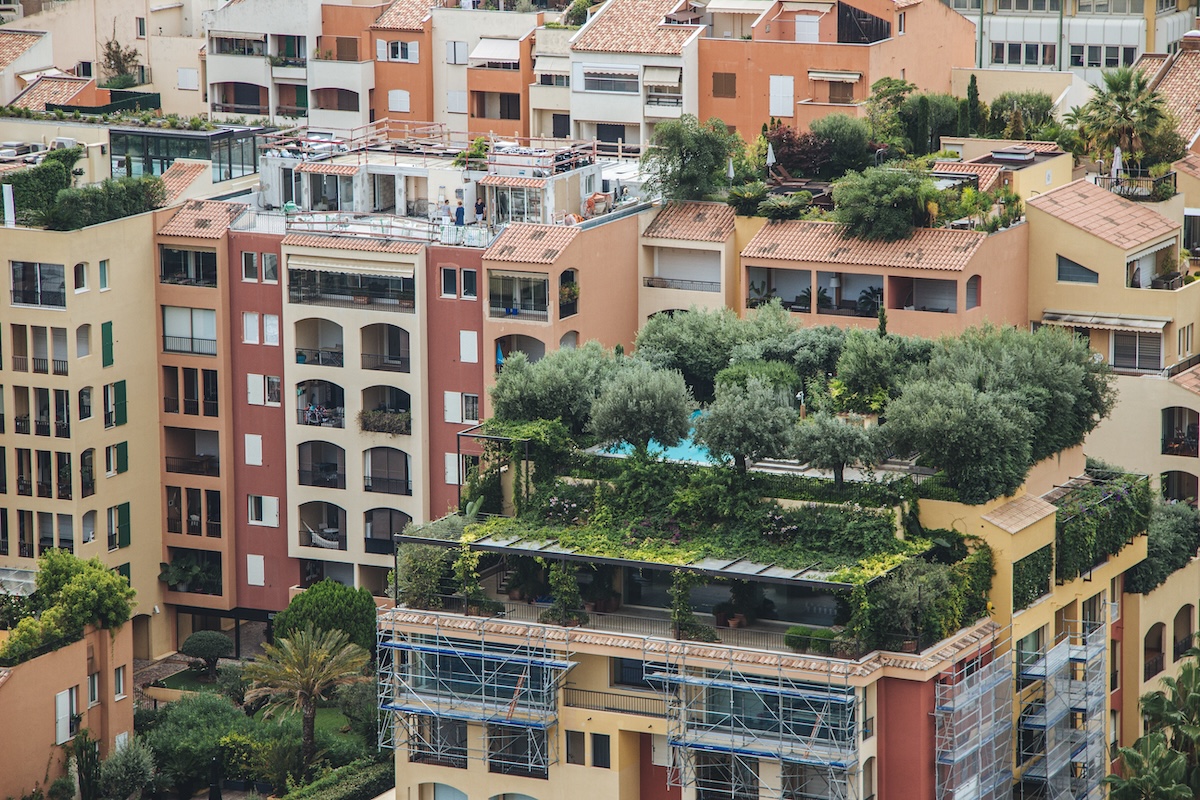
Organic architecture fervently embraces sustainability, incorporating features such as green roofs, rainwater collection systems, and designs that encourage greater input of natural light. In addition, these buildings are harmoniously integrated into pre-existing natural environments, promoting biodiversity and coexistence with local species.
In stark contrast to the straight lines and rigid angles typical of conventional architecture, organic architecture is distinguished by its fluid and organic forms that emulate natural curves and contours. Not only are these shapes visually appealing, but they also instill a sense of dynamism and balance.
This residence marked a milestone in the conception of organic architecture. Designed by Javier Senosiain, it is literally nestled underground. The structure is composed of a continuous and sinuous mesh-reinforced ferrocement mesh, covered with a layer of polyurethane that acts as a thermal insulator and waterproofing agent. This modern home adopts two main categories of spaces: day areas (living room, dining room and kitchen) and night areas (bedrooms and bathrooms). Between them there is a curved transition corridor.

The German translation for this unique building is “Spiral Forest”. The Austrian artist Hundertwasser conceived the idea of erecting an apartment block with the same number of trees as residents, and he carried out this vision. It should be noted that each window has a different design and each apartment is exceptionally unique. In addition, the building was built using recycled concrete.
In short, organic architecture not only redefines architectural aesthetics, but it also reconfigures our perspective on how buildings can interact and coexist with nature. By adopting an approach that celebrates sustainability, harmony and the connection between human beings and their environment, this architectural philosophy invites us to forge a future in which design and nature converge in a perfect symbiosis.
The future of organic architecture is full of possibilities, driven by the growing concern for sustainability and the environmental impact of buildings. The incorporation of new technologies makes it possible to develop more efficient and complex designs, integrating renewable energy systems and innovative solutions in buildings.
Research in sustainable materials and the evolution of construction techniques are expanding the scope of organic architecture, allowing more architects and developers to adopt this philosophy. The demand for spaces that promote health and well-being continues to increase, motivating the industry to explore more organic approaches that respect the natural environment.
Thus, organic architecture is consolidated not only as a trend, but as a transformative philosophy that seeks to create a more harmonious relationship between human beings and their environment, laying the foundations for a future in which construction and nature coexist in balance.
Leaf Global. Copyright © 2026. All rights reserved.