He leads projects and consulting services under LEED, EDGE, and FITWEL standards, integrating facade optimization strategies, life cycle assessments, and energy modeling to develop high-performance buildings.

This has led to the proliferation of extensive asphalt and concrete surfaces. These waterproof materials prevent natural drainage, causing water to accumulate and aggravate the effect “heat island” as temperatures rise in urban areas.
With climate change, phenomena such as droughts, storms and floods have become more frequent and severe, causing serious damage to urban infrastructure.
To face these challenges, the approach emerges from Sponge cities: a sustainable development strategy that transforms the way water is managed in the urban environment. This approach has already been implemented in countries such as China and the United States, with the objective of preventing floods and increasing resilience to climate change.
Beyond mitigating floods, sponge cities help combat heat waves by integrating green areas that improve air quality and reduce temperature. This approach promotes the link between urban design and water resource management, a critical need in the current context of climate crisis.
Taking into account that the main sources of water, such as rivers, lakes and aquifers, are often remote from densely populated urban areas, and in addition to uncontrolled urban growth, ensuring the availability and sustainable use of water in cities represents a significant challenge.

Sponge Cities: sustainable infrastructure for water management.
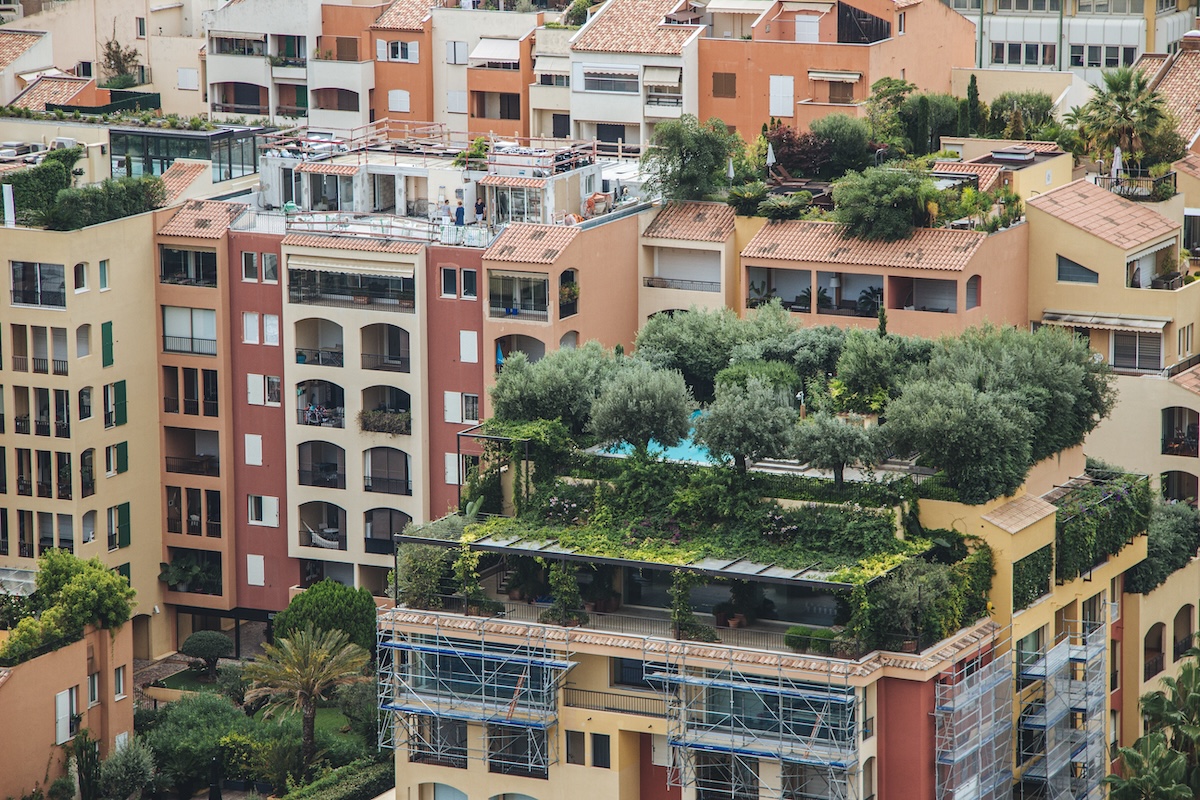
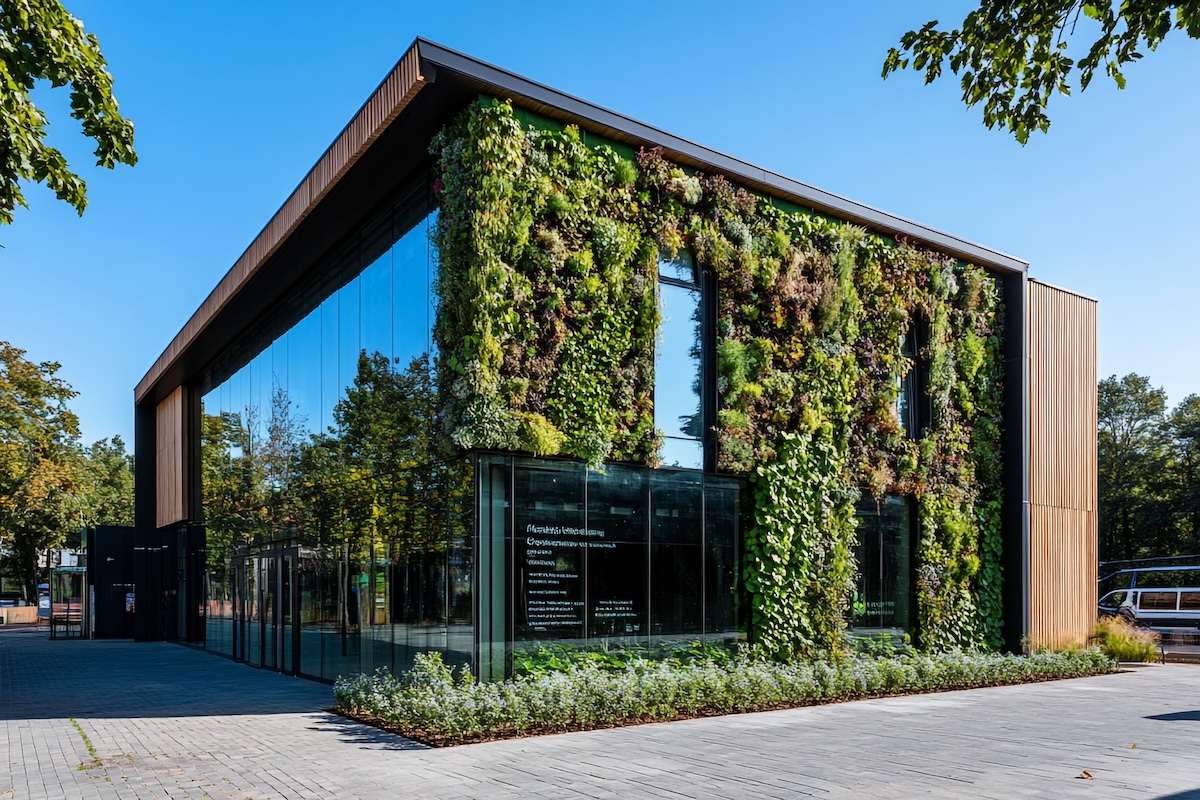
It is a city that prioritizes the use of natural and sustainable infrastructures to manage water, integrating elements such as rain gardens, green roofs, permeable pavements, wetlands and parks.
These nature-based solutions allow the urban environment to absorb, filter and reuse rainwater, reducing the risk of flooding and improving resilience to extreme weather events.
For example, rain gardens and bioretention systems collect runoff, remove contaminants and return some of the water to the natural cycle, storing it for use in irrigation or cleaning during periods of drought.
In addition, water collection in buildings can significantly decrease the demand for drinking water, while the reuse of treated gray water generates additional savings.

Natural systems integrated into a sponge city.
Sponge cities use sustainable urban drainage systems designed to absorb, store and treat rainwater. The concept, developed by the landscape architect Yu Kongjian, is inspired by the behavior of a sponge, using vegetation and permeable surfaces to absorb precipitation, prevent flooding and improve the recharge of underground aquifers.
For this purpose, green infrastructure is used, such as plant areas and permeable pavements, which facilitate the infiltration of water into the subsoil. In addition, these cities include areas specifically designed to be temporarily floodable, with materials such as gravel or sand that aid in the storage and filtration of water.
This combination of elements not only reduces the risk of flooding, but it also improves water quality by filtering out pollutants.
Sponge city development is a practical and effective alternative to the problems that urban planners have historically faced: managing excess rainwater, avoiding flooding, and conserving water for reuse.
By adopting this strategy, cities not only become more resistant to floods and droughts, but they also improve the urban environment, promote contact with nature and raise the quality of life of their inhabitants.
Sources consulted:onu-habitat.org/index.php/the-sponge-citysustainability.com/water/sponge-city/
Leaf Global. Copyright © 2026. All rights reserved.