He leads projects and consulting services under LEED, EDGE, and FITWEL standards, integrating facade optimization strategies, life cycle assessments, and energy modeling to develop high-performance buildings.
This list of terms focuses on the category of sustainable sites, with the objective of strengthening technical knowledge in sustainability, green architecture, ecological urban development and environmental certifications such as LEED.
They are plant species that can grow healthily in a specific environment without the need for intensive interventions such as constant watering, frequent fertilization, pest control or winter protection. These low-maintenance plants are ideal for sustainable landscaping on ecologically designed sites.
Albedo is an indicator of the solar reflectance of a surface. Surfaces with high albedo reflect more sunlight, reducing heat absorption. This property is key to combating the heat island effect and improving the energy efficiency of urban infrastructures.
They include electric, hybrid, hydrogen, CNG, LPG, and ethanol cars, among others. They promote sustainable mobility by reducing carbon emissions, and are a key component in green transport projects and sustainable urban planning.
Geological formation that stores groundwater in layers of permeable rock. Aquifers are essential for the sustainable management of water resources in green infrastructure and ecological conservation projects.
A metric that measures the ability of roofing or flooring materials to reflect solar heat. The SRI is fundamental in the design of cold roofs and sustainable pavements that improve the energy performance of the site.
Educational zoning tool that assigns schools based on residential location. This parameter can influence sustainable urban planning, as it affects mobility and land use patterns.
Biological variety in all its forms (ecosystems, species, genetics). Biodiversity is a pillar of environmental sustainability, essential for maintaining the ecological resilience of natural or restored sites.
Previously used spaces with possible contamination. The rehabilitation of brownfields allows urban regeneration through sustainable practices of soil remediation and efficient use of space.
Relationship between built area and total land. Optimal density contributes to compact urban design, promoting land use efficiency and the development of sustainable communities.
Area physically occupied by the structure on the ground. This data is relevant in sustainable planning, since it allows us to calculate the ecological footprint and design projects with a lower environmental impact.
A non-public transport service that can contribute to LEED credits if it is integrated into sustainable transport networks, facilitating access to the site without the use of private vehicles.
A mode of shared transport that reduces individual use of cars, reduces emissions and supports low-carbon mobility infrastructure.
U.S. law that regulates the cleaning of contaminated sites. It is essential in environmental sanitation and soil remediation processes in urban or industrial areas.
Local lighting and nighttime activity regulations that may affect outdoor lighting design in sustainable projects.
Total area of land altered by a project, including structures, roads, parking lots and intervened areas. It is key to evaluating the environmental impact of development and promoting responsible land use.
A group of organisms and their physical environment, functioning as an ecological unit. The preservation of natural ecosystems is a basic principle of sustainability.
Capacity of an ecosystem to regenerate the resources that human beings consume and to absorb the waste generated, maintaining ecological balance and supporting sustainable development.
A planned network of natural or semi-natural spaces that provides multiple ecosystem benefits such as water regulation, air improvement and habitat for biodiversity. It is key to urban sustainability.
Actions inspired and supported by nature that address environmental, social and economic challenges in a sustainable and efficient way, improving the environmental resilience of cities.
Method for evaluating the environmental impacts associated with all stages of the life cycle of a product, system or service, from the extraction of raw materials to their final disposal. Fundamental to sustainable design processes.
An indicator that measures human demand on ecosystems compared to their regenerative capacity. It is expressed in global hectares and allows us to evaluate the sustainability of the lifestyle of a community or project.
A mobility model that minimizes carbon emissions and promotes non-motorized or efficient means of transport, such as bicycles, public transport or electric vehicles. It promotes urban sustainability.
Efficient and responsible use of water resources through low consumption technologies, gray water recycling, rain collection and reduction of leaks. It is key to sustainable buildings and smart cities.
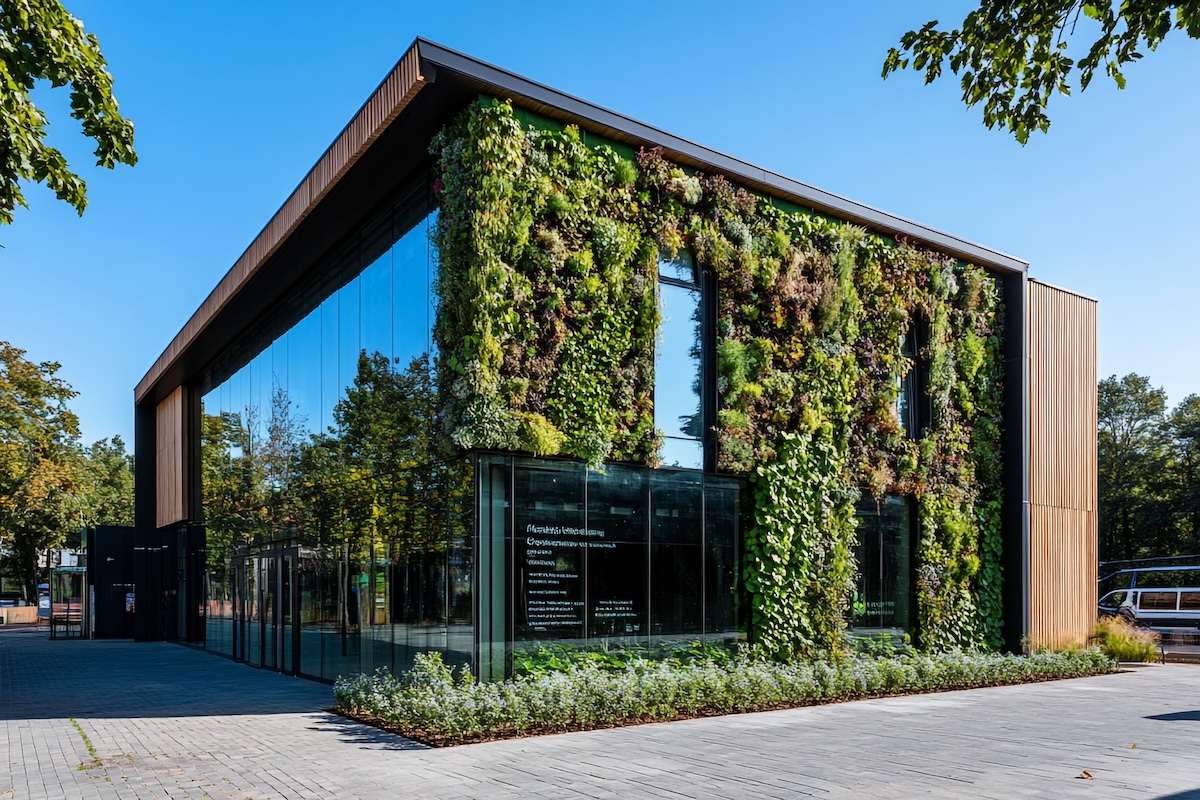
A design approach that integrates elements of nature into built spaces, promoting people's health, well-being and productivity. It is a common strategy in sustainable architecture.
Benefits that ecosystems provide to people, such as climate regulation, water provision, pollination, flood control and recreation. They are essential for environmental balance and territorial sustainability.
Capacity of an urban system, infrastructure or community to anticipate, adapt, resist and recover from the impacts of climate change. An essential component of sustainable development.
Design and management of urban outdoor spaces that integrate ecological, social and economic criteria to improve quality of life, conserve resources and promote local biodiversity.
Practice of transforming existing buildings for new uses, reducing resource consumption and waste generation. It promotes resource efficiency and the conservation of built heritage.
The total amount of greenhouse gas emissions associated with the extraction, production, transportation and installation of construction materials. It is a key indicator in environmental impact assessments.
Surfaces that allow the natural infiltration of rainwater, reducing runoff, preventing floods and recharging aquifers. They contribute to sustainable water management in urban environments.
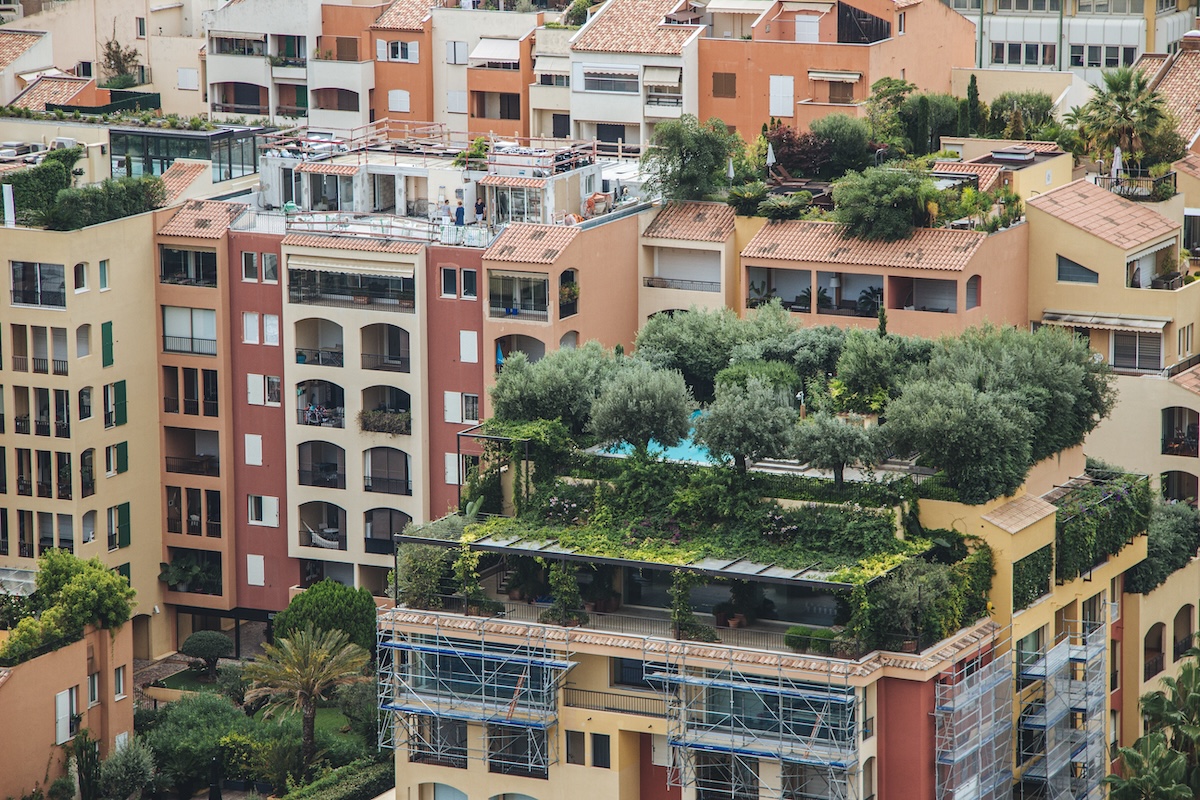
Vegetated roofs that offer thermal insulation, rainwater retention, improved air quality and habitat for urban species. They are sustainable solutions integrated into architecture.
Leaf Global. Copyright © 2026. All rights reserved.