He leads projects and consulting services under LEED, EDGE, and FITWEL standards, integrating facade optimization strategies, life cycle assessments, and energy modeling to develop high-performance buildings.
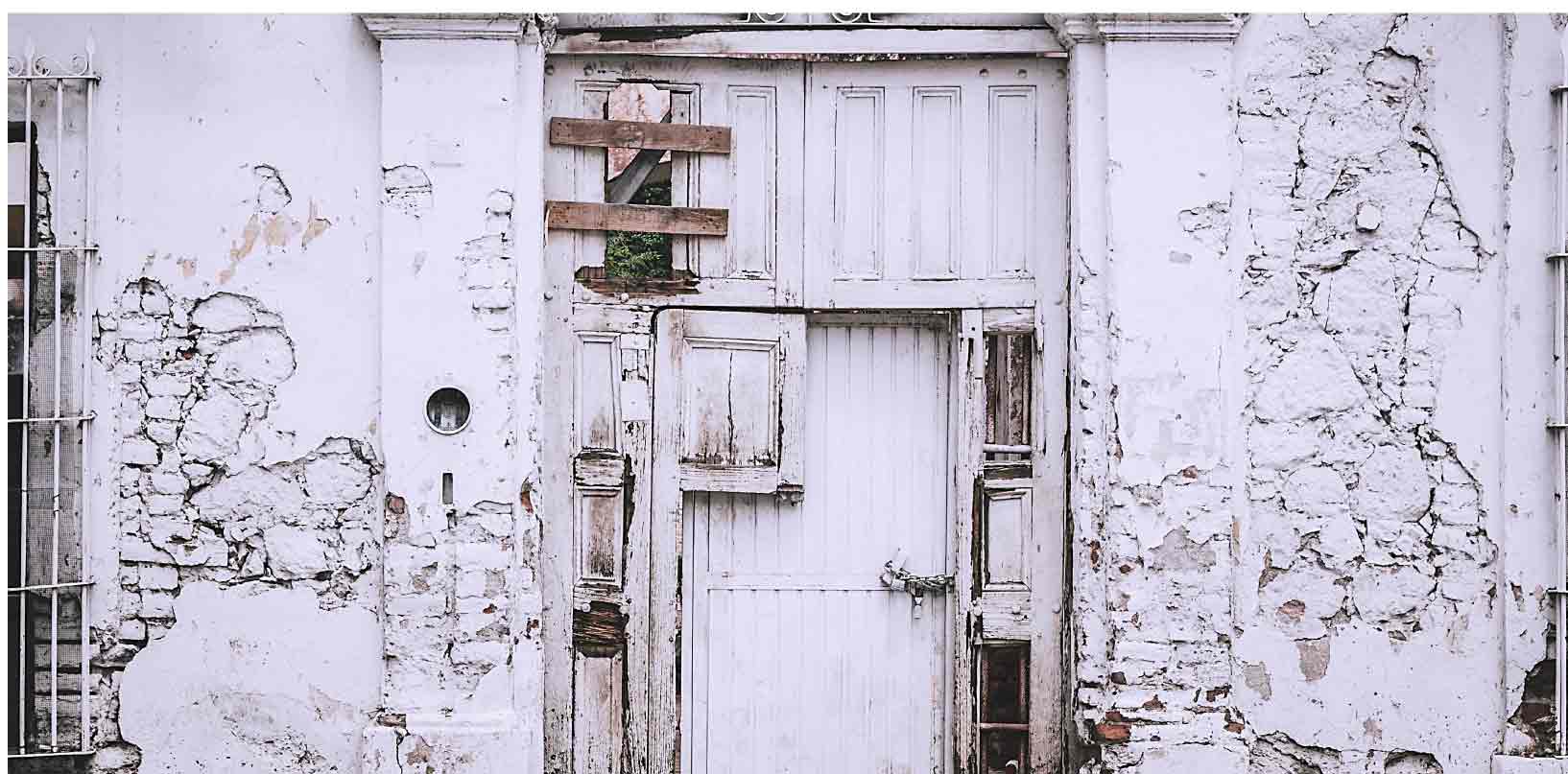
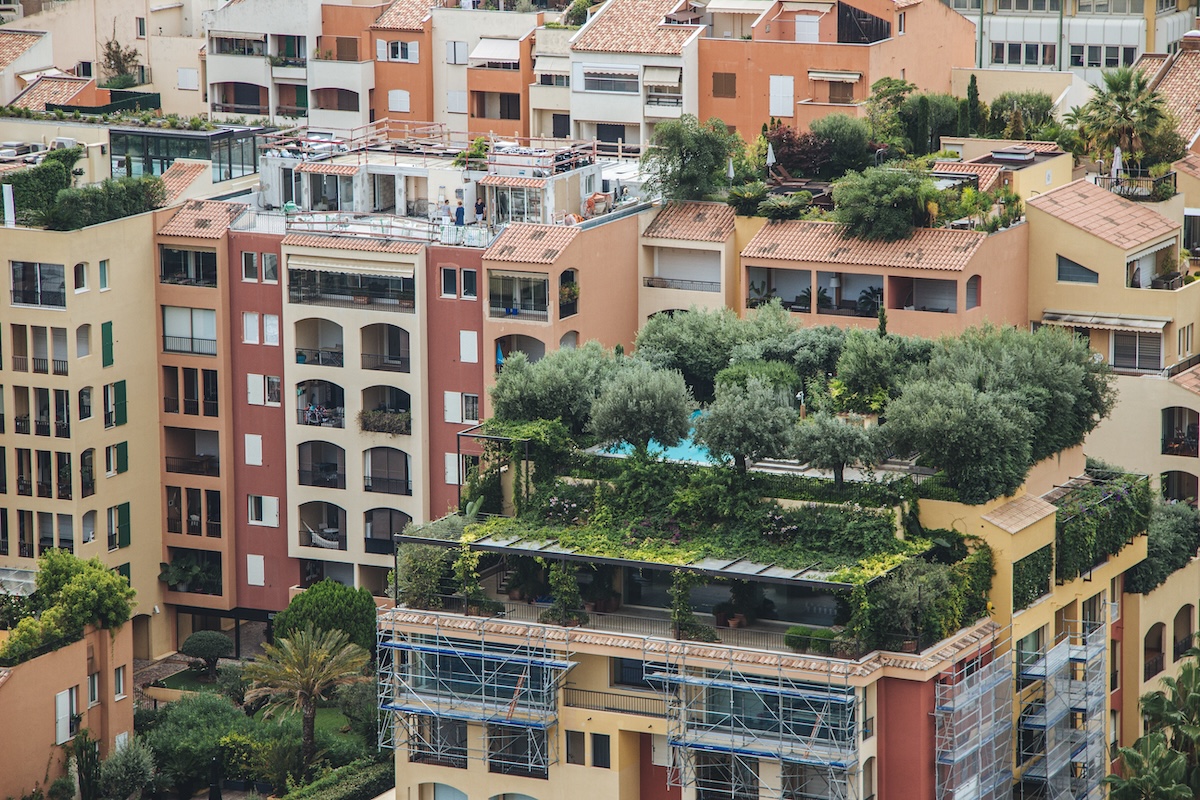
Consider the advantages and disadvantages of an existing building is crucial when deciding between renovating or building from scratch. It is necessary to ask questions such as: What is the quality of the construction? How has the material aged? How does it perform in terms of thermal efficiency, natural lighting and ventilation? In addition, it is important to determine if it has distinctive elements, such as a historic façade, that must be preserved according to municipal guidelines.
An architect responsible for the renovation will evaluate which elements can be reused and which must be replaced. You'll also need to address the specific architectural challenges involved with renovation to meet customer requirements. In the case of sustainable housing, these choices will be influenced by the amount of incorporated carbon and the costs of renovation, as well as by the potential energy efficiency improvements that can be achieved by taking advantage of existing structures and materials.
To the extent possible, the sustainable architecture will strive to minimize embodied energy and reduce waste by conserving and reusing existing materials. In addition, efforts will be made to adapt the house so that its environmental footprint in terms of operation is reduced to a minimum.
Renovating decreases the energy incorporated in a building by extending its useful life. By reducing demolition and/or construction, overall environmental impact and material waste are reduced. Renewing can be (but it isn't always) more affordable that you build from scratch, and you can preserve the sentimental value of a house and its contribution to the urban landscape.
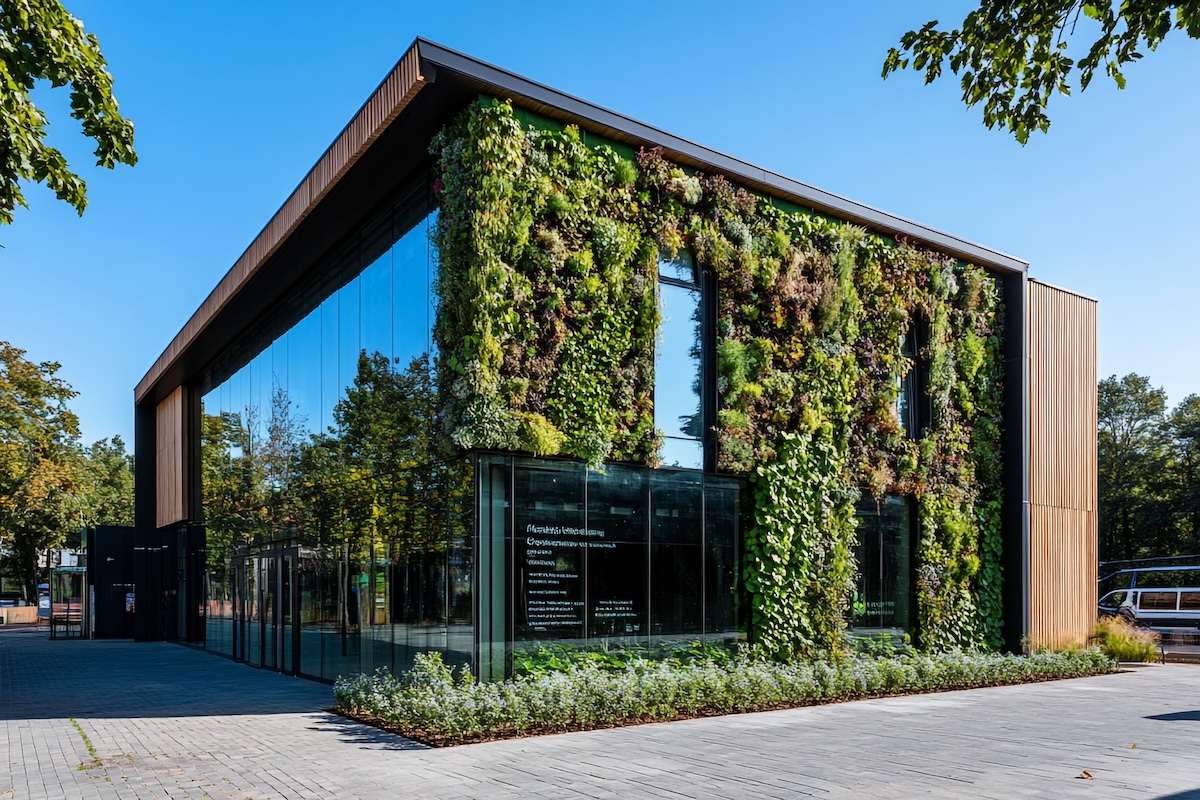
Make changes such as Reglazing, Recladding and modifications to the openings and spaces of a building will make it more energy efficient and thermally comfortable. The integration of renewable energy technology will reduce energy consumption and carbon emissions.
Building from scratch provides a blank canvas to design a house with energy efficiency as its central axis. Individual needs and desires are not hampered by existing conditions: a new beginning allows greater creative flexibility to realize the “dream home”.
Investing in passive design and modern, durable, high-performance materials will result in lower operating costs.
The construction of a new home will have a greater initial impact on the local environment, especially if the excavation alters the natural state of a piece of land. New constructions also have more built-in energy, since they require new materials.
However, by using recycled and/or recyclable materials, the impact of new buildings can be mitigated to a certain extent.
Leaf Global. Copyright © 2026. All rights reserved.