He leads projects and consulting services under LEED, EDGE, and FITWEL standards, integrating facade optimization strategies, life cycle assessments, and energy modeling to develop high-performance buildings.

Sustainable architecture seeks to minimize the environmental impact of buildings, and one of the key areas to achieve this is energy efficiency. Architects and designers can play an important role in incorporating energy efficient features and passive design strategies.
Some essential techniques include the installation of solar panels or other renewable energy systems, the use of high-performance insulation and energy efficient windows, and energy recovery systems to reuse waste heat. In addition, passive design strategies, such as natural ventilation, natural lighting and building orientation, make it possible to maximize the use of natural resources and reduce dependence on artificial lighting and mechanical systems.
La material selection it also plays a crucial role in sustainable architecture. Opting for local, renewable, recycled or reclaimed materials can reduce transport emissions and support the local economy.
Avoiding materials that emit harmful chemicals or consume too much energy during production and disposal is also essential. In addition, it's important to consider the life cycle of materials, including their durability, maintenance requirements, and options for recycling or disposal at the end of their useful life.
Another essential aspect of sustainability in architecture is the water conservation. Implementing water-saving features and strategies, such as low-flow accessories and appliances, rainwater collection systems, and greywater recycling systems, can help reduce water consumption and minimize environmental impact.
La indoor environmental quality it also plays a crucial role in sustainable architecture. Opting for materials that emit low volatile organic compounds (VOCs) improves indoor air quality.
In addition, the incorporation of adequate ventilation systems and access to natural light and views can improve the well-being of occupants and reduce dependence on artificial lighting.
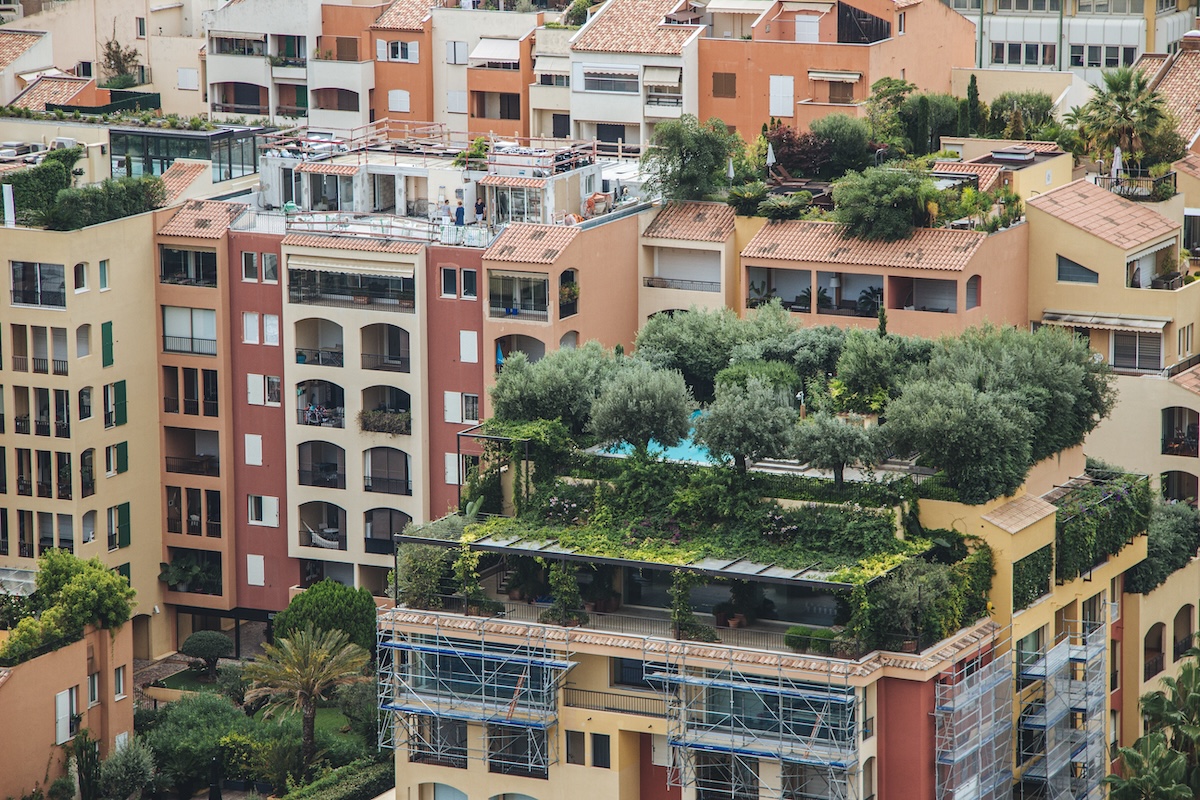
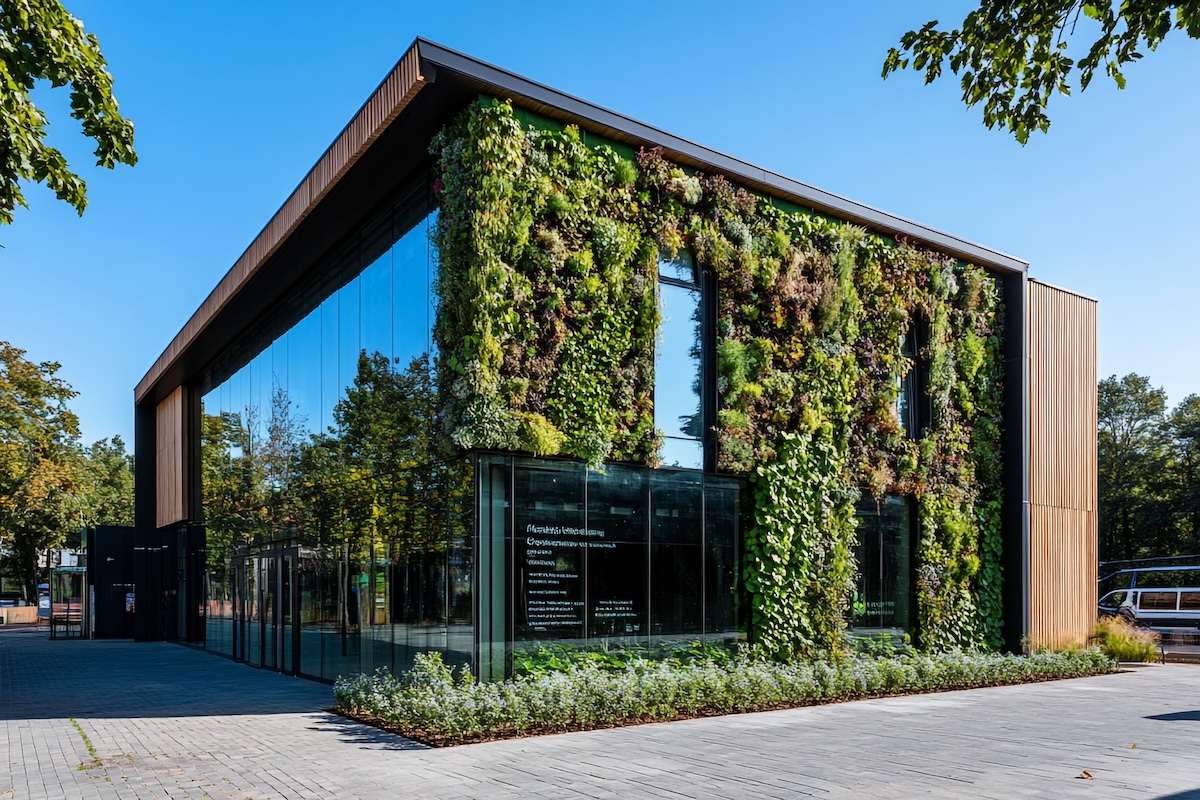
Finally, the landscape and site design they are also important aspects of sustainable architecture. The inclusion of green roofs, living walls, and the use of native plants and xeriscaping can help promote biodiversity and reduce irrigation needs.
In addition, the use of permeable materials for pavements and stormwater management techniques can minimize runoff and prevent erosion.
In short, by implementing these design strategies, architecture and construction professionals can contribute to the creation of sustainable buildings that are functional, aesthetically attractive and environmentally responsible, which in turn contributes to a greener and more sustainable future.
Leaf Global. Copyright © 2026. All rights reserved.