He leads projects and consulting services under LEED, EDGE, and FITWEL standards, integrating facade optimization strategies, life cycle assessments, and energy modeling to develop high-performance buildings.
Construction is a key sector in the fight against climate change and the reduction of carbon emissions. From the extraction of materials to the demolition phase, the entire life cycle of a building has a significant impact on the environment. Therefore, it is essential to address the challenge of decarbonization in the construction sector to build a more sustainable future.
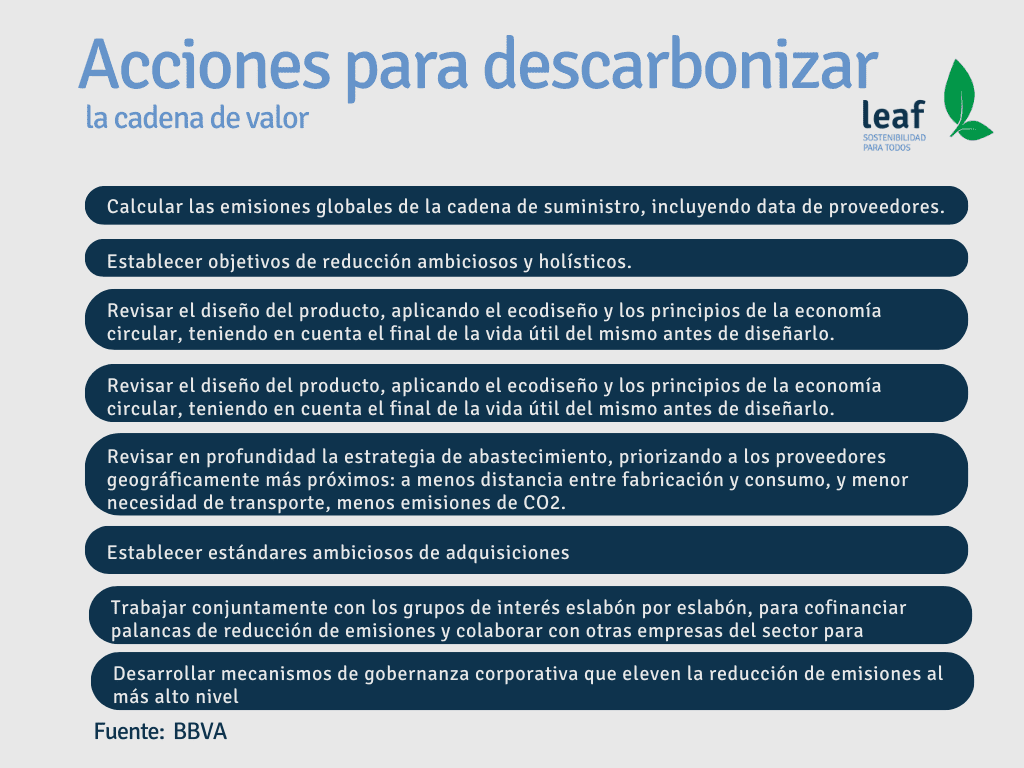
Reducing carbon emissions throughout the construction value chain involves a series of challenges and opportunities such as optimizing material selection, improving energy efficiency, adopting renewable energy, managing construction and demolition waste, and managing key actors such as governments and institutions.
The extraction and production of traditional building materials, such as steel and cement, generate large amounts of carbon emissions. The transition to more sustainable materials, such as certified wood And the recycled materials, can help to significantly reduce the carbon footprint of buildings.
In addition, it is essential to improve the energy efficiency of buildings. Energy consumption during the use phase is responsible for a large part of carbon emissions in the construction sector. Implementing efficient lighting systems, adequate thermal insulation and advanced air conditioning technologies can significantly reduce energy consumption and associated emissions.
Another key aspect for decarbonizing in the construction sector is the adoption of renewable energy. Installing photovoltaic solar panels on building roofs can generate clean electricity and reduce dependence on non-renewable energy sources. In addition, the incorporation of geothermal and wind energy systems can also contribute to the decarbonization of buildings.
Efficiency in the management of construction and demolition waste also plays a fundamental role. The reduction, reuse and recycling of construction materials can minimize the amount of waste that ends up in landfills and reduce the need to extract and produce new materials.
However, the challenge of decarbonizing in the construction sector does not lie solely with builders and developers. Governments and institutions must also play an active role in promoting policies and regulations that promote sustainability in construction. Tax incentives and sustainable construction standards can boost the adoption of more environmentally friendly practices.
Decarbonization in the construction sector is one of the biggest challenges in the fight against climate change. Reducing carbon emissions derived from the life cycle of buildings requires a comprehensive strategy that includes the selection of sustainable materials, the improvement of energy efficiency, the adoption of renewable energy and responsible management of construction and demolition waste.
These pillars are essential for moving towards sustainable construction and significantly reducing the sector's carbon footprint. But this change will only be possible through a collaborative model that involves all actors: designers, builders, developers, governments and institutions.
Transforming industry into a true engine of sustainable urban development requires commitment, innovation and coordinated action. Committing to sustainability today is key to building more resilient, efficient and environmentally responsible cities tomorrow.
If you are looking for consultancy in sustainable construction, contact us here.
Leaf Global. Copyright © 2026. All rights reserved.