The power of locating your development in LEED certification

Home

>

Blog

>

The power of locating your development in LEED certification

Yesterday we had a webinar that was broadcast live on LinkedIn where our CEO and LEEP AP expert, Ana Lucía Mávila Granda, shared her experience with certification LEED for green buildings.

What are the LEED categories?

Although the organization of prerequisites and credits varies slightly depending on the type of building and the Classification System, LEED is organized into the following categories:

  • Location and Transportation
  • Sustainable Sites
  • Efficient Use of Water
  • Energy & Atmosphere
  • Materials and Resources
  • Indoor Air Quality

Additionally, there are 2 categories that we call bonus:

  • Innovation
  • Regional Priority

In this article, we will specify about the location of the development.

How can the location of a LEED building reduce greenhouse gas emissions?

There are 3 key points to keep in mind:

  • Locate the Project close to public transport
  • Locate the Project in communities where there are several services
  • Locate the Project in urban centers

This is because the objectives of this location category are:

  • Promote compact development
  • Alternative transport
  • Connect to services
  • Use of existing infrastructure
  • Pedestrian and bicycle access
  • Limit parking
  • Prioritize preferred parking

Therefore, good land for the project channels development to places where the triple baseline will be improved, rather than degraded. The best locations are those that promote intelligent growth, that protects open space and farmland, encouraging the development of nearby housing, jobs and services.

How to choose a smart location?

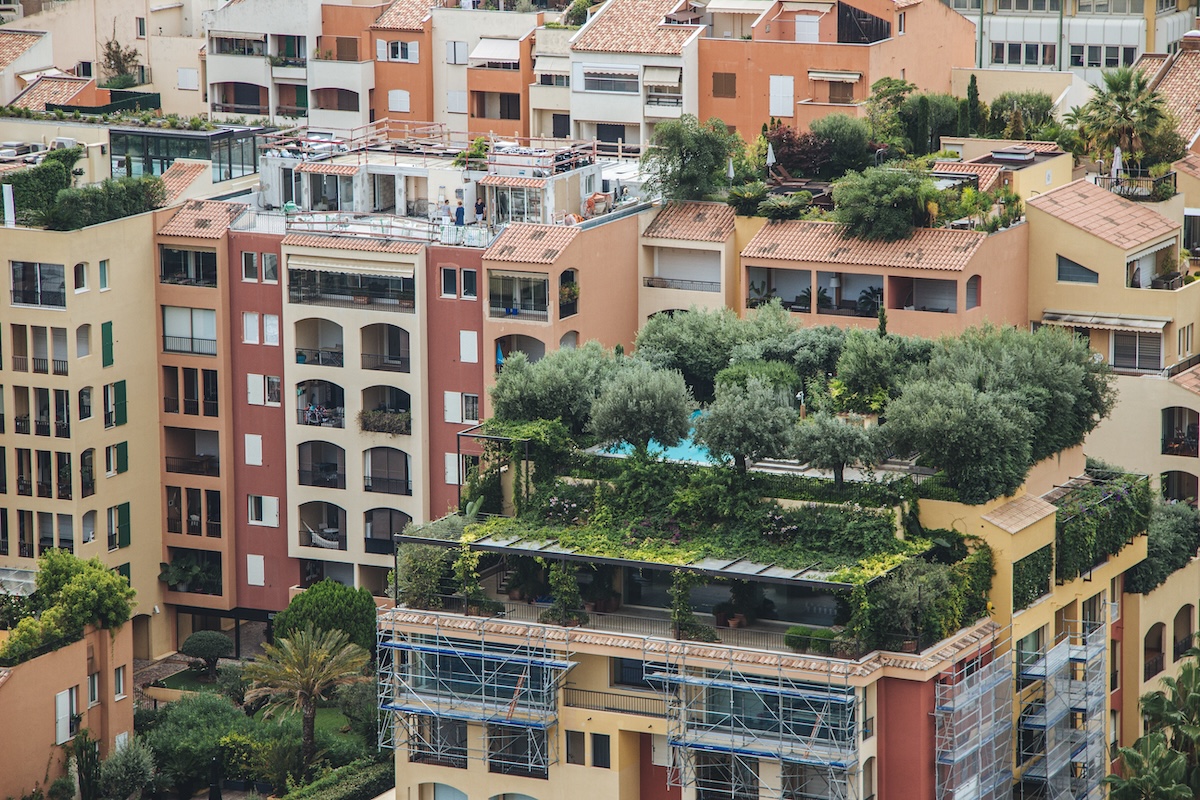
To choose a location for a sustainable building, the redevelopment and development of previously used or contaminated land is recommended. It is important to locate these projects close to existing infrastructure to prevent suburban expansion and the creation of new roads, power lines and water networks. It is also essential to protect sensitive land (agricultural land, floodplains and habitat of endangered species, bodies of water and wetlands or swamps). To maximize land use, it is necessary to increase density and create projects with a small footprint. In addition, the diversity of uses in the project must be increased to include services necessary for the community, such as housing, jobs and other services.

Source: Leaf Latam Webinar, Elaboration: Ana Lucia Granda.

If you want to understand what the design and pattern of the neighborhood should look like, we invite you to see the LIVE on our LinkedIn.

How is it in the case of existing buildings?

Well, we can promote the following alternatives:

  • Promote the use of vehicles that use alternative fuels. Set up a station for such fuel.
  • Offer incentives. Develop an alternative travel program for users. Whoever uses it will have certain benefits.
  • Promote alternative transport. Any method of transportation that replaces the movement of a single person in a vehicle.
  • Promote carpool. And designate preferred parking spaces for these vehicles.

In conclusion, the location of a building is a key factor in LEED certification and can help reduce greenhouse gas emissions by promoting compact development, alternative transportation and connectivity with existing services. It is important to choose land that has been previously developed or contaminated, close to existing infrastructure, and to protect sensitive land. In addition, it is essential to increase the density and diversity of uses in the project to maximize land use. For existing buildings, alternatives such as vehicles that use alternative fuels, incentive programs and alternative transportation can be promoted to reduce greenhouse gas emissions.

If you want advice and support throughout the LEED certification of your next development, contact us here.

Si quieres recibir este ebook,
¡suscríbete!

Portada de ebook azul con texto sobre oportunidades de financiamiento para construcción sostenible en América Latina y logo de Leaf.

Para Leaf, tu privacidad es fundamental. Por eso, utilizamos los datos que nos proporcionas para acercarte novedades e información relevante. Al descargar, muestras tu conformidad con ello. Puedes cancelar tu suscripción en cualquier momento.

Thank you! Your submission has been received!
Oops! Something went wrong while submitting the form.
EDGE Certification: The Fastest Way to Build an Efficient Building

EDGE certification is one of the fastest and most effective ways to create efficient buildings, reduce energy, water, and material consumption, and increase property resale value. Developed by the International Finance Corporation (IFC), part of the World Bank Group, EDGE helps real estate projects lower their environmental impact, reduce operating costs, and support decarbonization efforts. With a streamlined and measurable process, EDGE has become a strategic certification for developers and investors seeking sustainability, profitability, and market differentiation.

Sustainable certifications in Mexico: current overview and trends

Sustainable certifications in Mexico are gaining prominence as a key tool for companies and projects that seek to demonstrate their environmental, social and governance commitment. They are no longer limited to construction alone, but encompass complete processes, operations, products and business models.

Why environmental certifications increase the resale value of a property | Leaf

Discover how environmental certifications, energy efficiency and sustainable buildings increase the resale value of a property and reduce its environmental impact.

Logo with the word 'leaf' in white and text 'Sostenibilidad para todos' in blue next to two green leaves.

PERÚ

PANAMÁ

COLOMBIA

CHILE

CHINA

MÉXICO

CDMX

Monterey

SÍGUENOS EN

Instagram logo
Logo facebookLogotipo de LinkedIn en blanco sobre fondo azul.