Sustainable architecture is a practice that seeks to create buildings and structures that are friendly to the environment and that use resources efficiently. One of the main ways this is achieved is through the use of sustainable materials. In this article, we will explain the requirements of sustainable architecture and the materials used in it.
Sustainable architecture aims to create buildings that are sustainable and that minimize their environmental impact. This is achieved through a series of requirements that must be met during the design and construction process. Some of these requirements include:
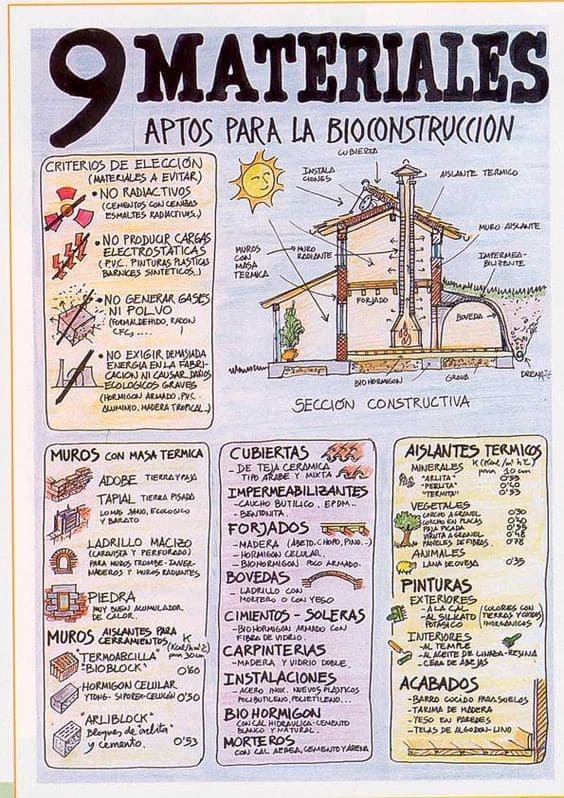
The materials used must be sustainable, with low environmental impact, durable, renewable, recyclable and have a low carbon footprint. Some of the most common materials used are:
Here is an image that represents what we have mentioned so far:
In conclusion, sustainable architecture requires a careful selection of materials to minimize its environmental impact and maximize energy efficiency. It is important to consider the durability, renewability, recyclability and carbon footprint of the materials used. In addition, there are certifications that can help identify sustainable and responsible materials.
If you are about to build a sustainable property, contact us to advise you on the sustainable certification process.
Discover what EDGE certification is and how it is transforming sustainable construction in Mexico through greater energy efficiency, resource savings, and reduced environmental impact.
Discover how WELL-based office design improves employee health, well-being, and productivity while creating healthier and more effective workplaces.
WELL certification in offices in Mexico has become a key driver of real estate value by enhancing indoor air quality, thermal comfort, and overall occupant well-being. In major markets such as Mexico City and Nuevo León, WELL not only boosts productivity and employee health but also increases rental premiums, occupancy rates, and long-term asset appreciation for corporate properties.
CDMX
Monterey