It is the most widely recognized green building certification system in the world. LEED (Leadership in Energy and Environmental Design) ensures that a project has been designed and built under the highest standards of energy efficiency, sustainable material use, and indoor environmental quality.
LEED certification provides immediate international prestige. In addition to significantly reducing energy and water costs, these buildings attract higher-quality tenants, achieve higher rental and sale prices, and demonstrate a real commitment to mitigating climate change.
The process is based on a scoring system where projects earn credits across various sustainability categories. At Leaf Global, we lead the technical consulting and manage the process with GBCI to ensure your building achieves certification goals efficiently.
The cost varies depending on the project’s scale and complexity, including registration fees and consulting services. Although it requires an initial investment in design and technology, LEED buildings quickly recover this cost through operational savings and increased asset value.
It is aimed at developers of office buildings, shopping centers, industrial facilities, hotels, and premium residential projects. It is the ideal choice for companies looking to lead the real estate market, meet ESG standards (environmental, social, and governance), and deliver high-performance assets.
Projects must meet minimum requirements in areas such as water efficiency, air quality, and energy. Depending on the score achieved, four certification levels are awarded: Certified, Silver, Gold, and Platinum, with Platinum being the highest standard of excellence.
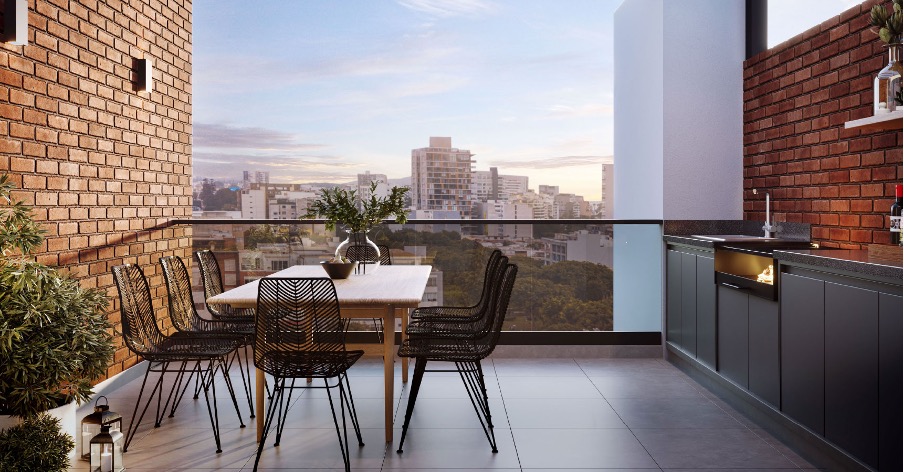
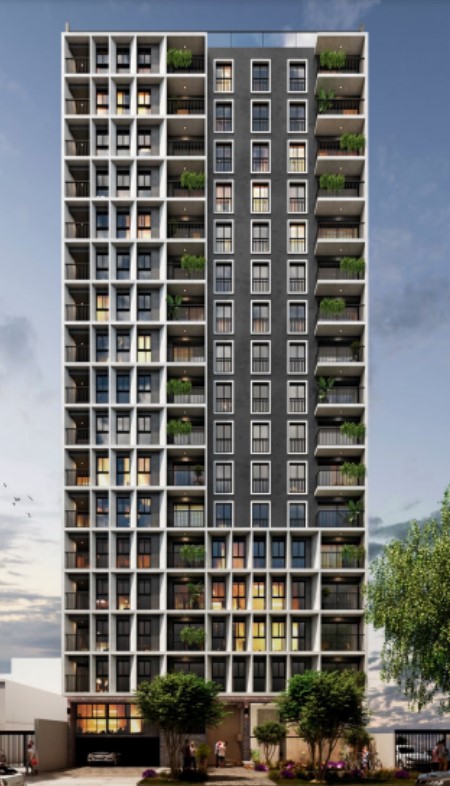
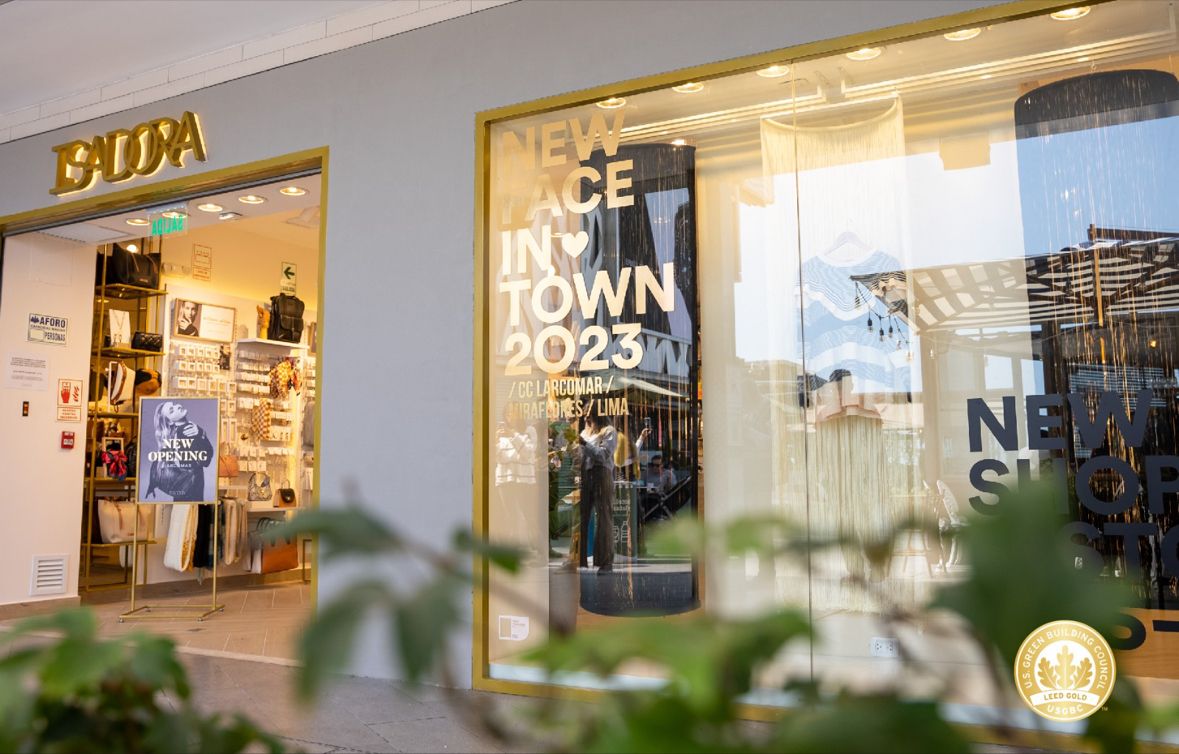
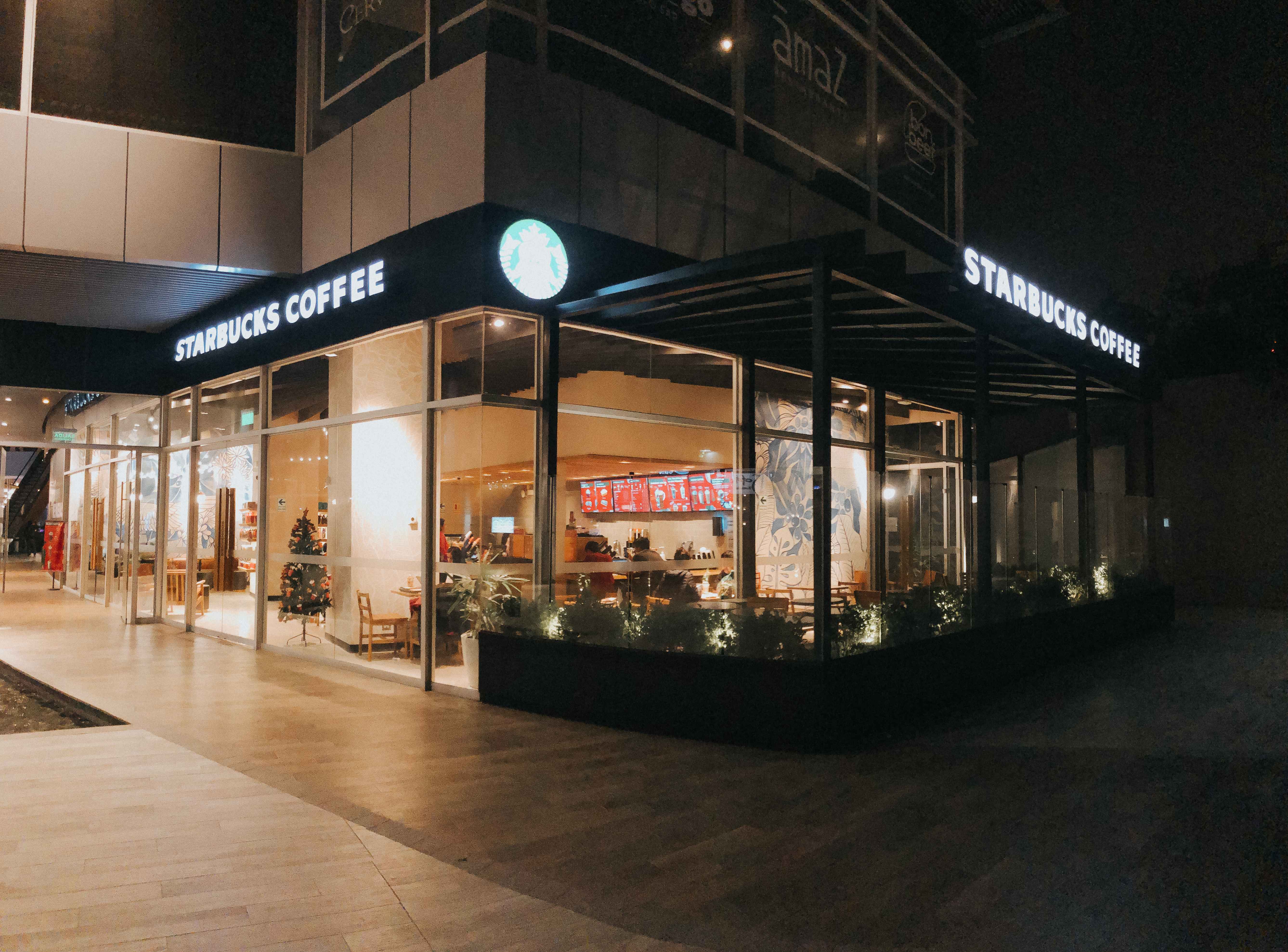
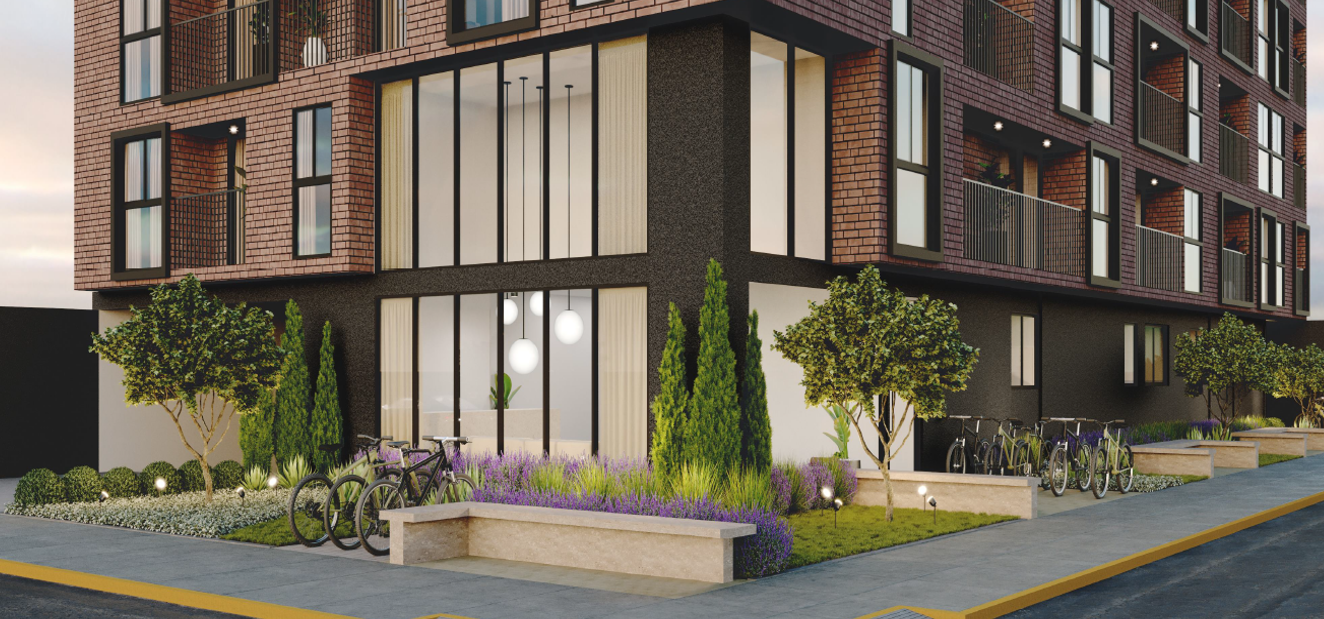
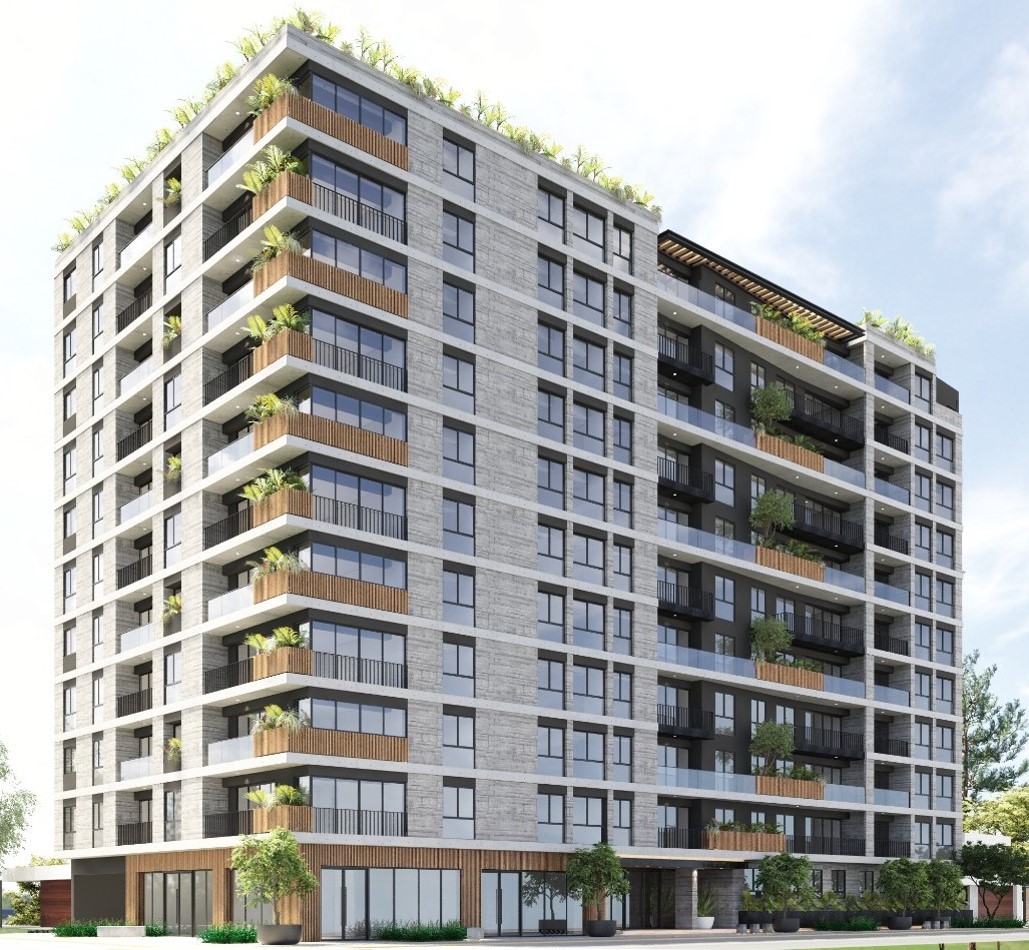
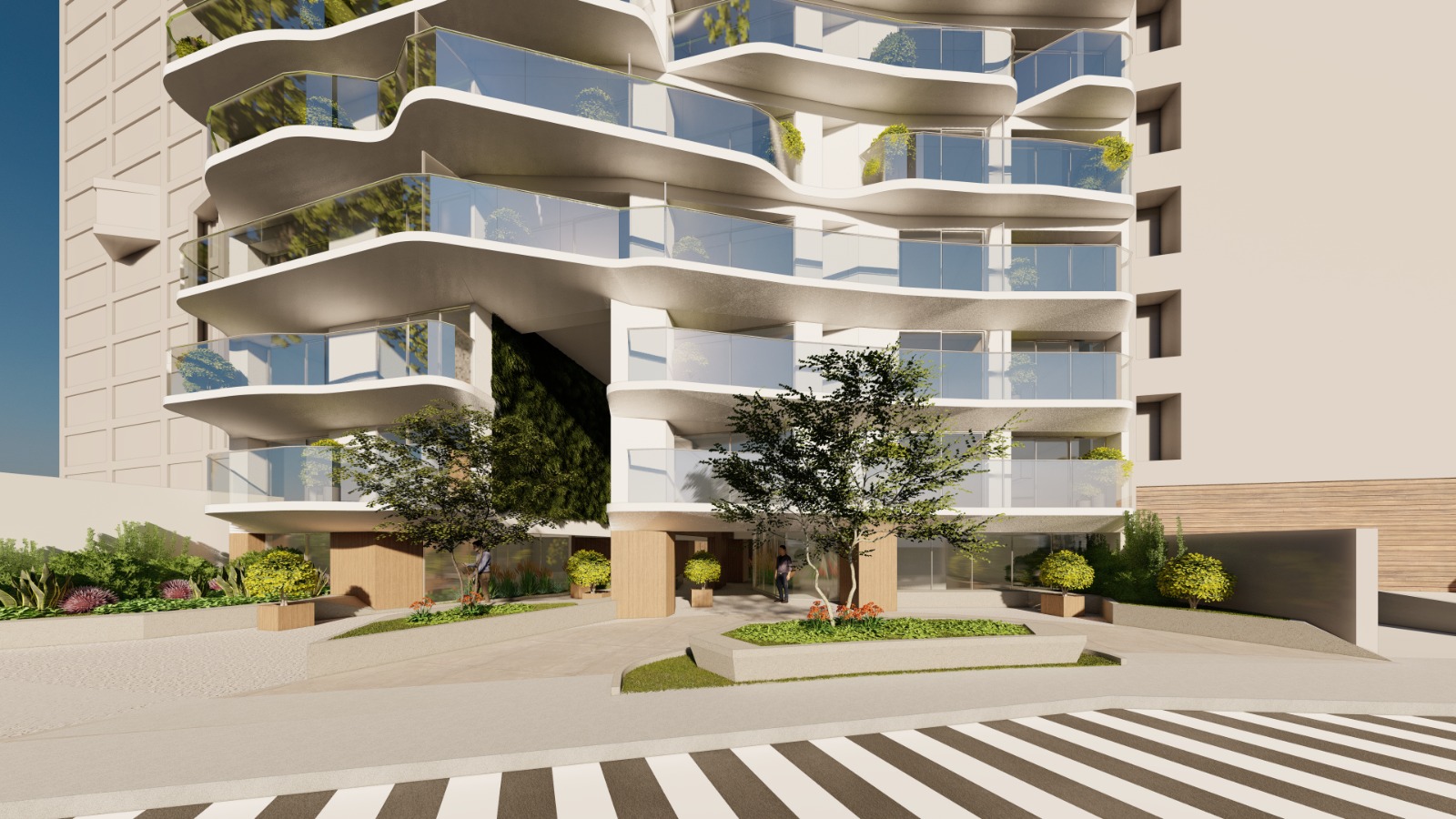
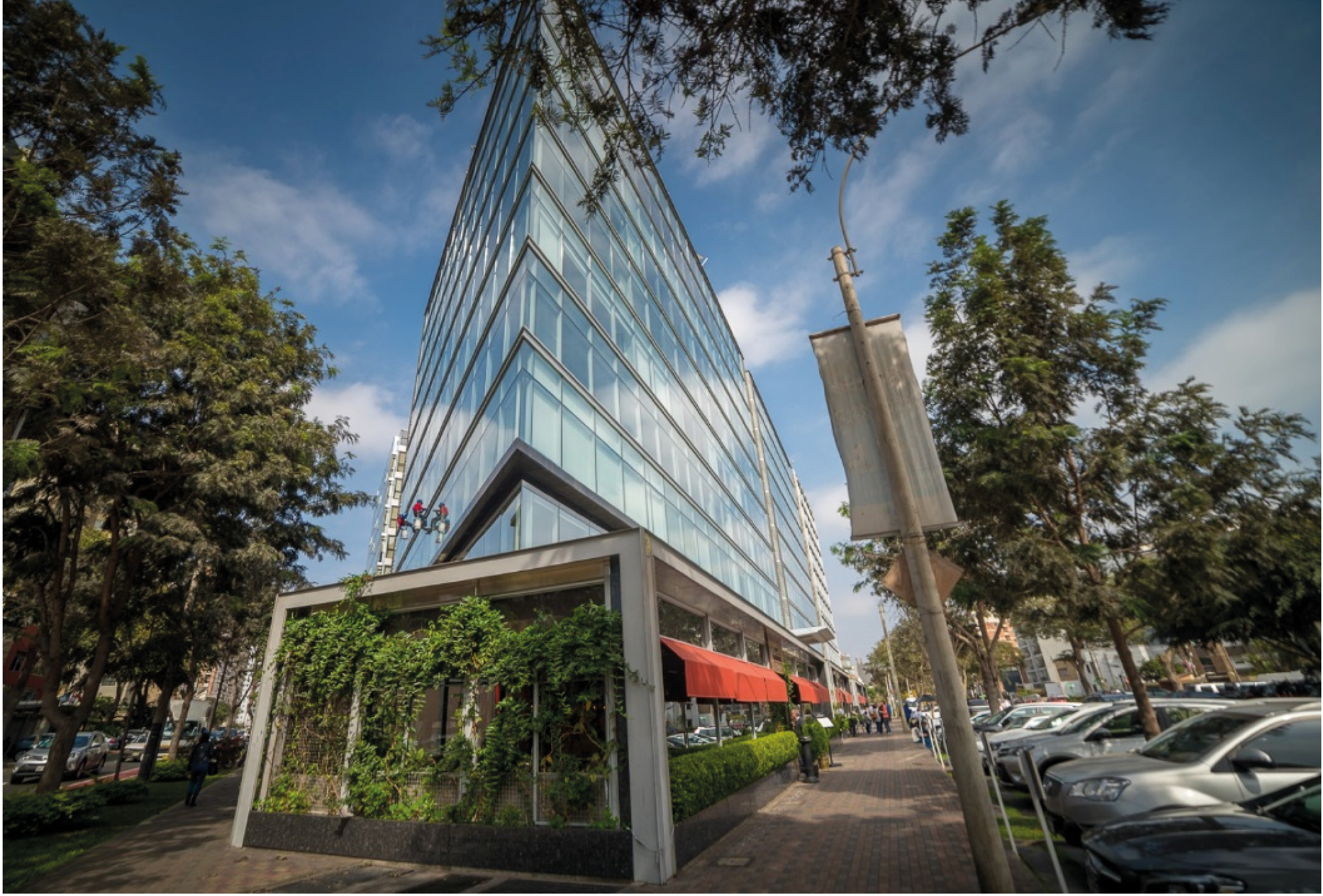
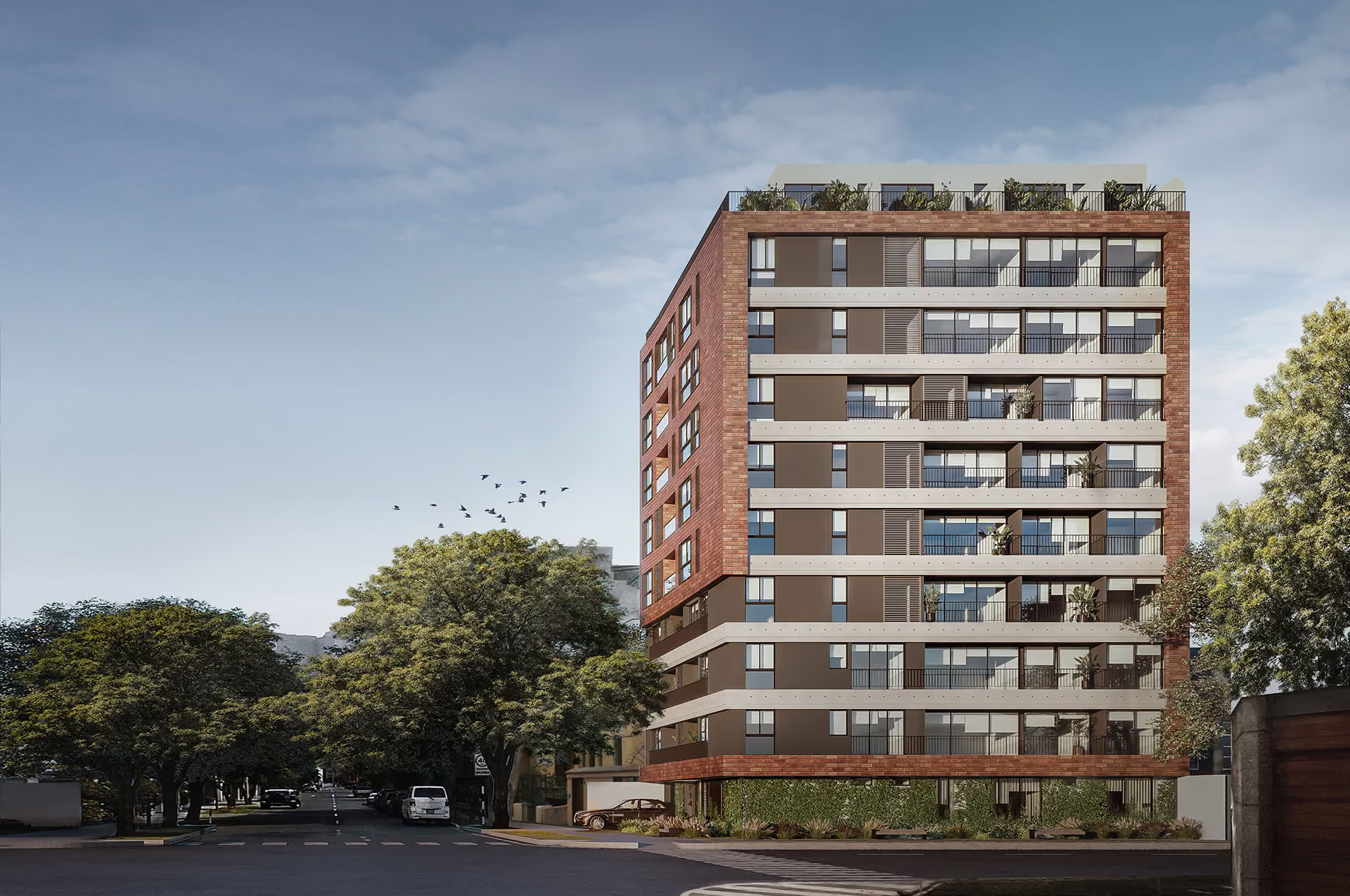
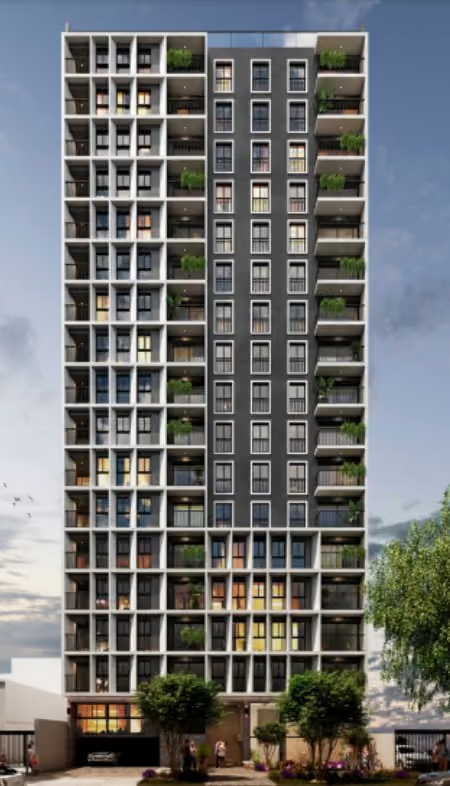
We have certified LEED projects in Peru, Mexico, Colombia, Panama, and Chile, ranging from corporate offices to retail and premium residential developments. Roma Living, LEED Gold certified, and Upper 28, LEED Silver certified, demonstrate how LEED certification can be integrated into residential projects without compromising profitability. At MMG Tower in Panama, we combined LEED with WELL to maximize the building's ESG positioning.
Leave us your message and we will get in touch with you.
Write to us
Energy efficiency, indoor environmental quality, material selection, and water management typically have a direct impact on operating costs and market perception.
LEED enhances the value proposition: it facilitates sales/leasing through improved energy and wellness reputation, attracts international corporate tenants, and can justify higher prices or rental rates.
As you move up the levels (Certified → Platinum), construction requirements and investment increase; the exact difference depends on the selected credits and the project’s initial budget.
Yes, it is possible to adjust scope and add measures to meet prerequisites, although feasibility depends on the stage of construction and available budget.
We coordinate, support, and document commissioning visits, verifications, and testing processes, ensuring that building systems deliver the expected performance.
Leaf Global. Copyright © 2026. All rights reserved.