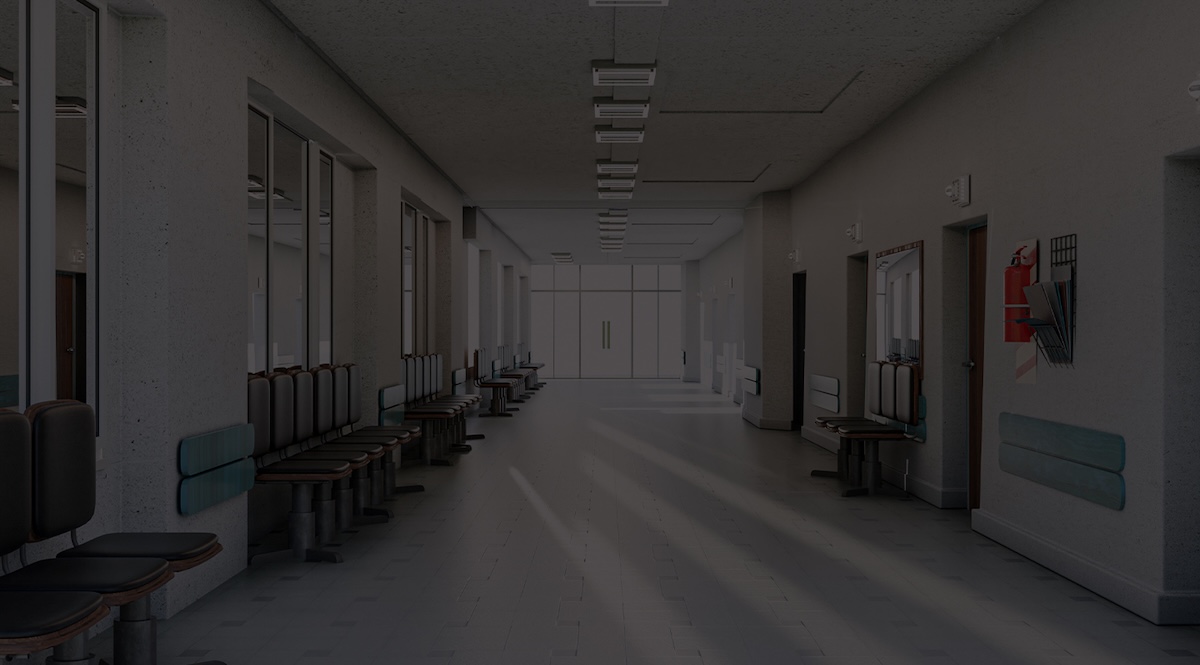
Healthcare facilities operate 24/7, with HVAC systems, lighting, medical equipment, and hot water that cannot be switched off. The energy and water cost of a mid-sized hospital can represent 10-15% of its annual operating expenses. In this context, a minimum 20% savings in energy, water, and materials is not a marketing figure — it's a direct improvement to the institution's operating result. Additionally, the IFC has specific standards for healthcare infrastructure, and EDGE is the path to meeting and documenting them for international accreditation bodies like JCI.
Initial assessment: We analyze the healthcare facility design and identify the measures needed to achieve EDGE's required 20% savings, accounting for the specific systems of a medical facility.
Registration and modeling: We create the project file in the EDGE platform and calculate the efficiency score calibrated for the facility type, climate zone, and usage profile of the healthcare center.
Technical audit: An IFC-accredited auditor validates compliance with EDGE criteria before construction and upon project completion, with protocols specific to healthcare facilities.
Certification issued: The project receives the official EDGE seal for healthcare facilities, enabling access to international financing and positioning it as a certified sustainable healthcare infrastructure.

Yes. EDGE has a specific module for healthcare facilities that applies to hospitals, clinics, diagnostic centers, medical offices, and any healthcare-use facility, regardless of size.
EDGE certifies water efficiency measures such as low-flow fixtures in non-clinical areas, grey water reuse systems, and cooling tower optimization, without affecting water standards for sterilization and clinical use.
Between 4 and 8 weeks from registration to the issuance of the design certificate, depending on project complexity. The final construction certification is issued once construction is complete.
Leaf Global. Copyright © 2026. All rights reserved.