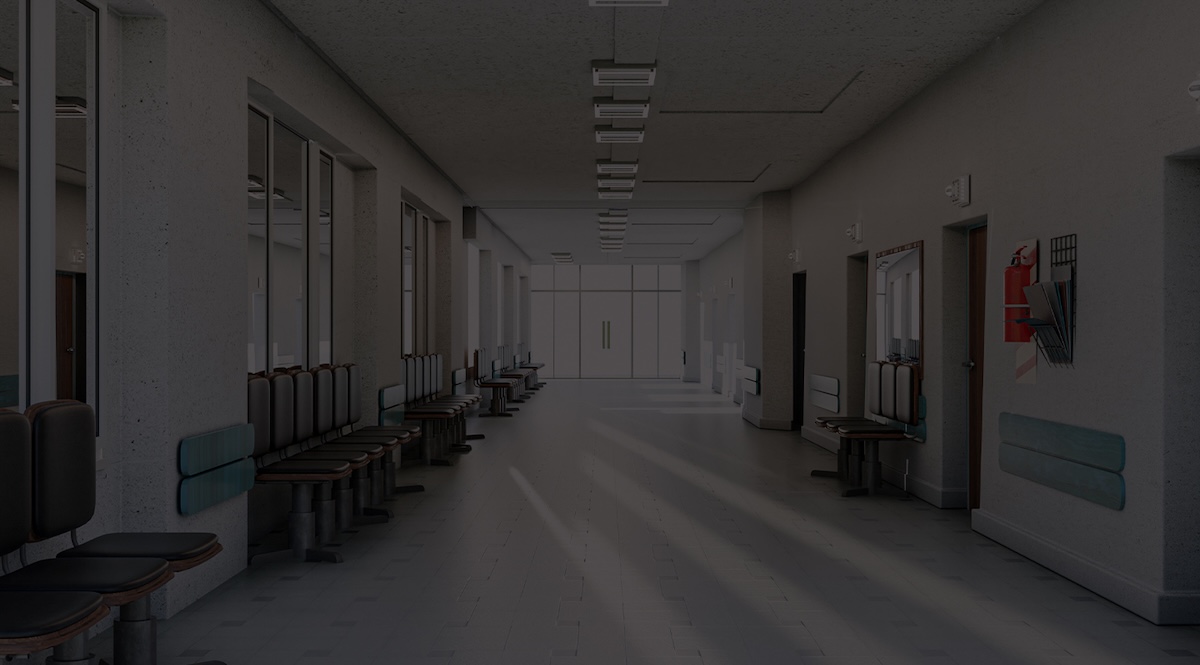
Healthcare facilities are the most complex buildings to LEED certify and also the ones that benefit most from certification. LEED has a specific system for the sector: LEED BD+C: Healthcare, with exclusive prerequisites that don't exist in other systems — harmful chemical controls, environmental tobacco smoke management, and air quality standards for sensitive areas. Healthcare's biggest pain point is continuous operation: a hospital can't halt operations for construction, making design-phase planning critical. The second pain point is energy consumption: hospitals use 2.5-4 times more energy per square meter than equivalent office buildings, making LEED Energy & Atmosphere (EA) credits both the greatest challenge and the greatest operational savings opportunity.
Healthcare typology assessment: we determine whether LEED BD+C: Healthcare or BD+C: New Construction applies based on project type (high-complexity hospital, outpatient clinic, diagnostic center) and target accreditation level.
Continuous operation strategy: we design the certification plan accounting for restricted access to sensitive areas during construction and special commissioning requirements for medical equipment.
Air quality and materials management: we apply LEED Healthcare's special prerequisites for hazardous chemical controls and medical waste management.
GBCI certification: we manage review cycles with the GBCI including LEED Healthcare-specific documentation.

LEED Healthcare has unique prerequisites: pre-construction environmental site assessment, hazardous chemical controls in materials, smoke-free environment policy, construction waste management, and stricter indoor air quality criteria. It also removes certain credits that don't apply to hospitals (like bicycle facilities).
LEED has specific protocols for construction in sensitive environments: IAQ Management Plan and noise and vibration controls. Leaf designs the construction plan accounting for the hospital's sensitive zones and sterility requirements during construction.
Between 18 and 36 months for new medium-to-high complexity hospitals, given the complex MEP systems and special commissioning requirements. For outpatient clinics or diagnostic centers, the process can be 14-20 months.
Leaf Global. Copyright © 2026. All rights reserved.