MSc in Mechanical Engineering from USP/EESC (Brazil), holding LEED AP BD+C, LEED AP O+M, LEED Green Rater and EDGE Expert credentials. 12 years of experience in LEED certification consulting.
Discover why many LEED projects in Mexico and Colombia fail to achieve certification, the most common mistakes, and the best strategies for success.
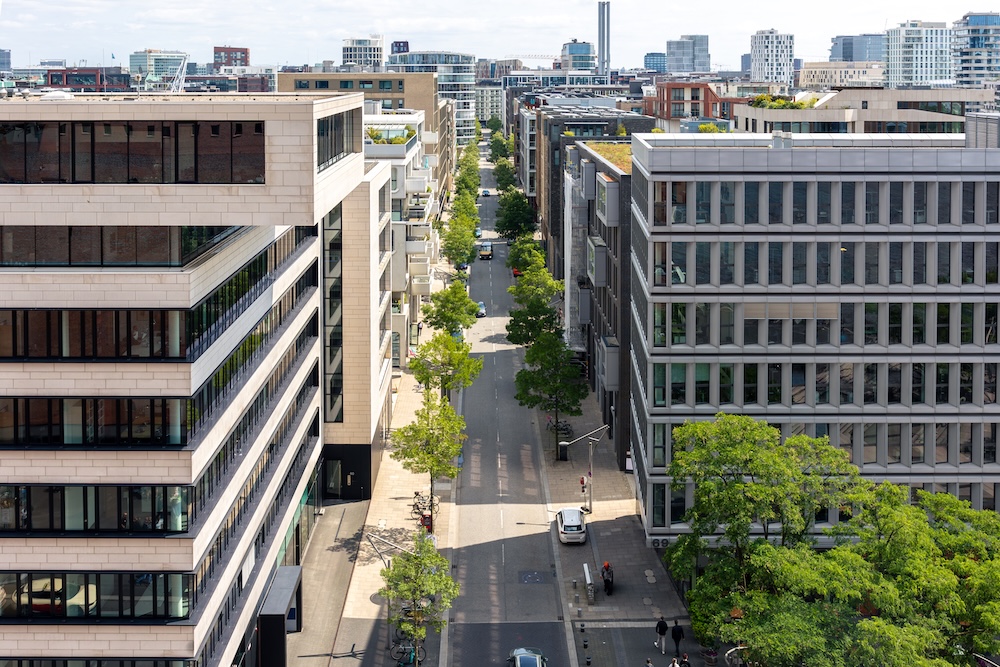
LEED certification has become one of the most recognized standards for validating building sustainability and performance. In markets such as Mexico and Colombia, more developers are pursuing LEED certification to increase asset value, attract investors, and align with ESG criteria.
However, there is a reality that is rarely discussed in the industry: many projects that begin the certification process never complete it, or they face delays, cost overruns, and challenges that significantly impact profitability.
The good news is that most of these issues can be avoided.
In this article, we explore why so many projects struggle to achieve LEED certification, the most common mistakes that lead to failure, and how developers, investors, and project teams can significantly improve their chances of success.
LEED (Leadership in Energy and Environmental Design) is developed by the U.S. Green Building Council (USGBC) and is considered one of the most widely recognized green building certification systems in the world.
Its key benefits include:
For this reason, the number of projects registered for LEED certification continues to grow across Mexico, Colombia, and the rest of Latin America.
Many developers believe that registering a project for LEED certification is the hardest part.
The reality is different.
The real challenge lies in:
When any of these elements fail, certification can be delayed—or even abandoned entirely.
There are clear patterns among projects that struggle to achieve certification.
This is probably the most common mistake.
Many projects decide to pursue certification when:
At that stage, implementing changes can become costly and complex.
The LEED strategy should be established during the earliest conceptual design stages.
The earlier sustainability is integrated, the lower the costs and the greater the opportunities to earn credits.
LEED requires collaboration among multiple stakeholders, including:
When teams work in silos, problems often arise such as:
Establish a clear coordination strategy from the beginning.
Consistent communication is critical to a successful certification process.
One of the most demanding aspects of LEED is documentation.
Many teams underestimate the amount of information required to demonstrate compliance.
Common documentation includes:
Incomplete or inadequate documentation often leads to significant delays.
Another common mistake is targeting credits that are difficult to achieve for a specific project.
This can lead to:
Conduct a strategic assessment early in the process to identify which credits offer the highest feasibility and return on investment.
Many initial budgets include only:
But they overlook associated costs such as:
This can negatively impact financial planning and project performance.
The learning curve for LEED can be significant.
Projects that face the greatest challenges often lack:
Experience makes a major difference in timelines, costs, and outcomes.
Certification challenges can create direct business impacts.
These include:
In some cases, they can even affect the expected profitability of the asset.
Both Mexico and Colombia have become regional leaders in sustainable construction.
Demand for certified buildings continues to grow due to:
This means that certification is no longer simply a competitive advantage; in many market segments, it is becoming an expectation.
Projects that successfully achieve certification often share several characteristics.
Sustainability is incorporated into the project's strategy from day one.
They define:
Potential challenges are identified before they become major problems.
Experienced advisors help avoid costly mistakes and optimize the certification process.
When executed correctly, LEED certification delivers substantial benefits.
Certified buildings often achieve:
As a result, many investors view LEED as a tool to protect and maximize asset value.
The market continues to evolve rapidly.
Key trends include:
Projects that incorporate sustainability from the outset will gain a significant competitive advantage.
At Leaf Global, we help developers, investors, and companies maximize their chances of certification success.
Our team supports projects from the earliest stages by helping to:
Our goal is to transform certification into a strategic business tool that creates measurable value rather than unnecessary complexity or additional costs.
Most of the challenges projects face during a LEED certification process are not caused by the certification itself, but by the way the process is planned and executed.
Developers who integrate sustainability early, align project teams, and establish a clear certification strategy are far more likely to achieve their goals.
In an increasingly competitive real estate market driven by ESG expectations, achieving LEED certification is no longer just an environmental objective—it is a strategic decision that can directly influence the value, profitability, and long-term success of a real estate asset.
Leaf Global. Copyright © 2026. All rights reserved.