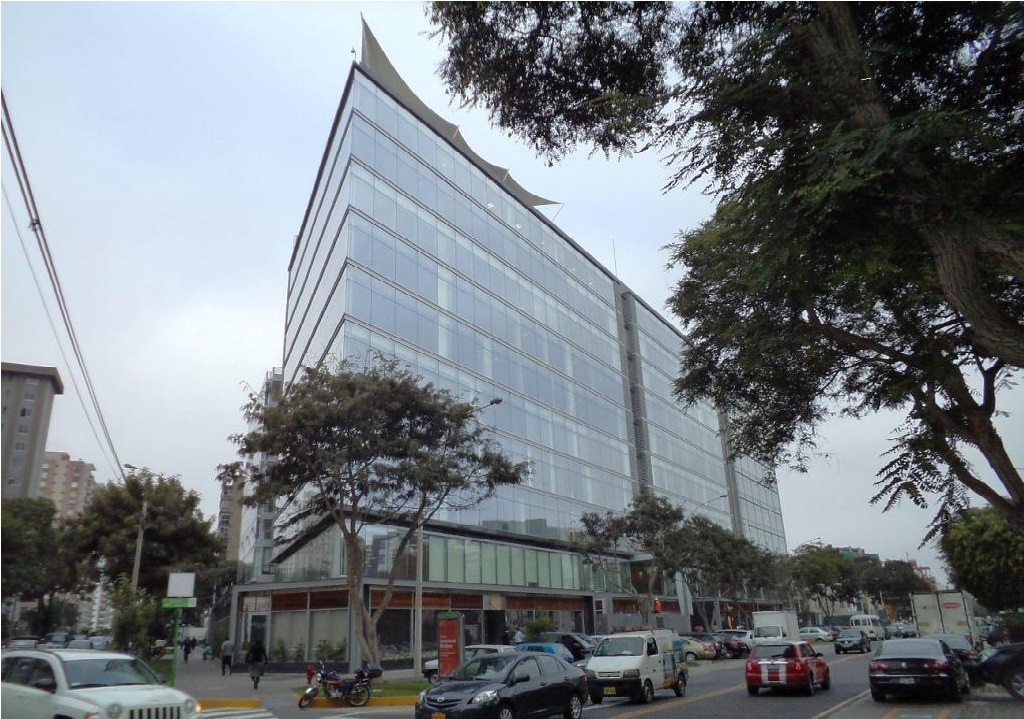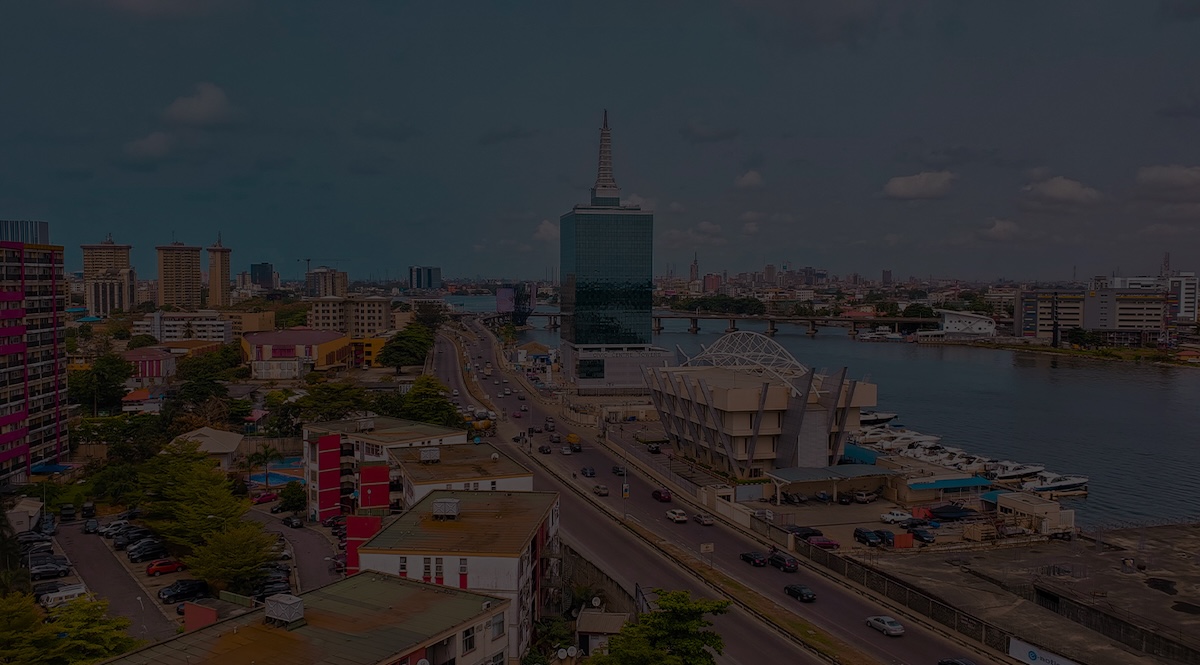
Nigeria is Africa's largest economy and Lagos hosts the continent's most dynamic corporate office market. Victoria Island, Ikoyi, and the Lekki-Ajah corridor have developments where oil and gas companies (Shell, Chevron, TotalEnergies), international banks, and multilateral organizations seek spaces that comply with their global sustainable real estate policies — and that means LEED. Nigeria's dual challenge is unreliable energy infrastructure (dependence on diesel generators due to PHCN outages) and a shortage of local LEED Accredited Professionals. Leaf brings the technical expertise and turns generator dependency into an opportunity to accumulate LEED energy credits with solar and battery storage systems.
Nigerian feasibility diagnosis: we assess project typology, location (Lagos vs Abuja), and infrastructure conditions to define the most realistic credit strategy.
Energy and water strategy: we design MEP systems to maximize LEED EA and WE credits, accounting for generator dependency and Lagos's intermittent water supply.
Complete documentary management in LEED Online, coordinating with the local team to collect technical evidence.
GBCI certification: we accompany review cycles through to plaque issuance, managing all GBCI communication in English.

For new Lagos offices: LEED BD+C: New Construction. For existing building renovations: LEED O+M: Existing Buildings. Leaf determines the correct system in the initial diagnosis.
It's a factor to design strategically. Projects that install solar and battery storage as primary power accumulate points in EA Renewable Energy Sources and EA Optimize Energy Performance, turning an operational necessity into a certification differentiator.
Between 18 and 30 months for new projects, accounting for local construction timelines and documentation logistics. Early coordination with Leaf from schematic design is key to keeping the process on schedule.
Leaf Global. Copyright © 2026. All rights reserved.