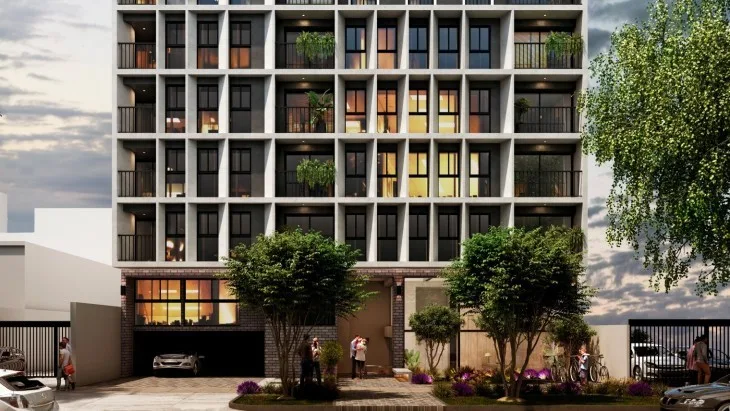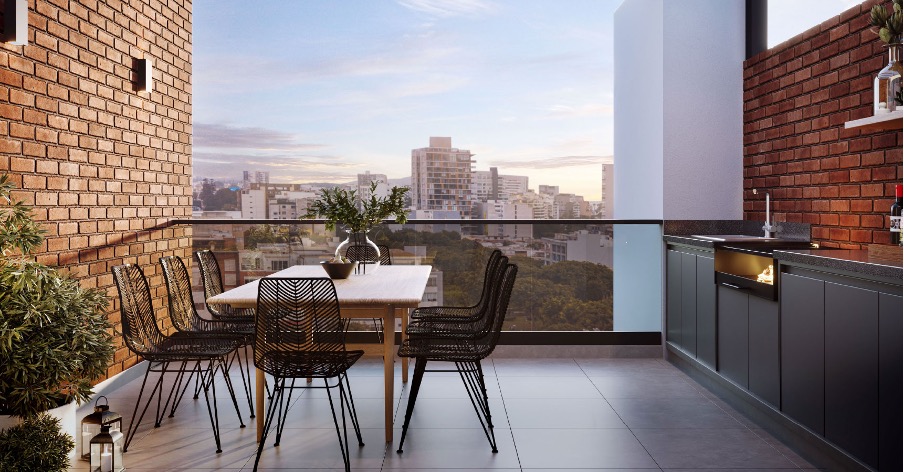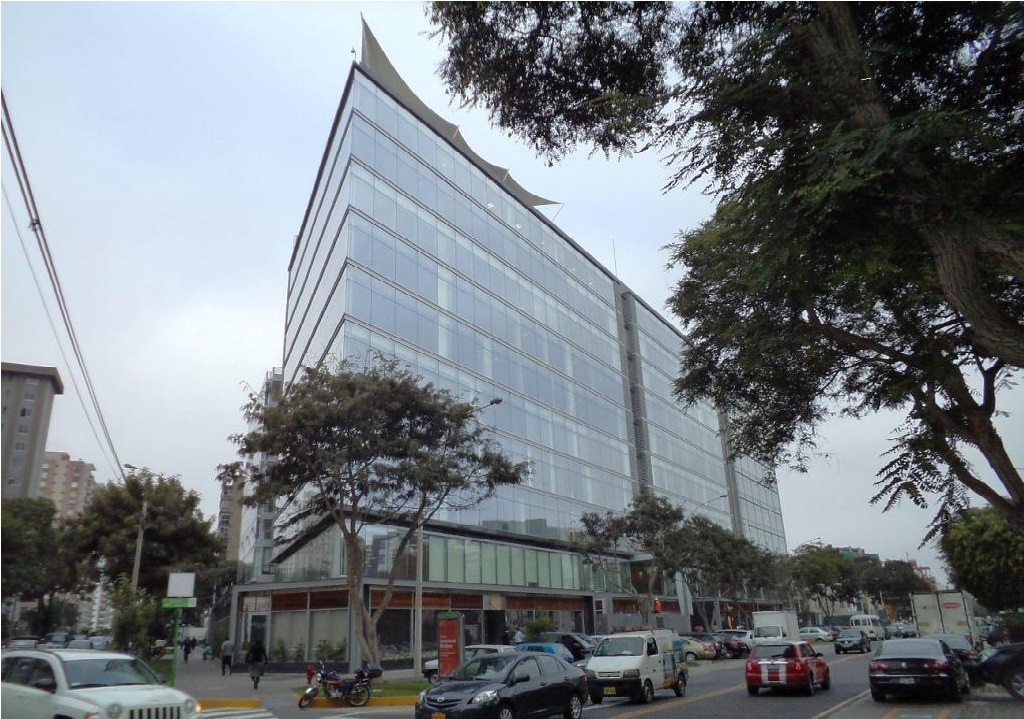
The residential sector is undergoing a quiet transformation: homebuyers — especially in mid-to-high-end and luxury segments — already ask about energy efficiency, indoor air quality, and water consumption before signing a purchase agreement. LEED answers all those questions with an internationally verified standard. For developers, the challenge is choosing the right system: LEED BD+C: Homes for single-family housing, LEED BD+C: Multifamily Midrise for condominiums up to 8 floors, and the general BD+C system for taller projects. The perception that LEED makes residential construction more expensive is the biggest obstacle — the reality is that with the right credit strategy, the construction premium is recovered in the first year through resident utility savings.
LEED residential system selection: we determine whether LEED BD+C: Homes, LEED BD+C: Multifamily Midrise, or another system applies based on project typology, height, and scale.
Integrated residential design: we work with the architecture team from design to optimize orientation, building envelope, HVAC systems, and indoor air quality.
Construction documentation and verification: LEED residential requires on-site inspections to verify installations. Leaf coordinates verification visits and prepares all GBCI documentation.
Certification and sales support: once the LEED plaque is obtained, we prepare technical materials the sales team can use in commercializing the project.

The construction premium for LEED residential is typically 2-5% above conventional cost. This is recovered in 2-4 years through energy and water savings. In luxury or mid-to-high-end projects, the sales price premium LEED enables significantly exceeds the construction cost increase.
LEED BD+C: Homes has housing-specific prerequisites and credits: moisture control to prevent mold, on-site systems verification, a residential-calibrated energy performance path, and indoor air quality requirements that don't exist in the general system.
Yes. Mixed-use projects can certify different areas under different LEED systems: BD+C: New Construction for the commercial portion and BD+C: Multifamily Midrise for the residential. Leaf determines the most efficient certification strategy for mixed-use projects.
Leaf Global. Copyright © 2026. All rights reserved.