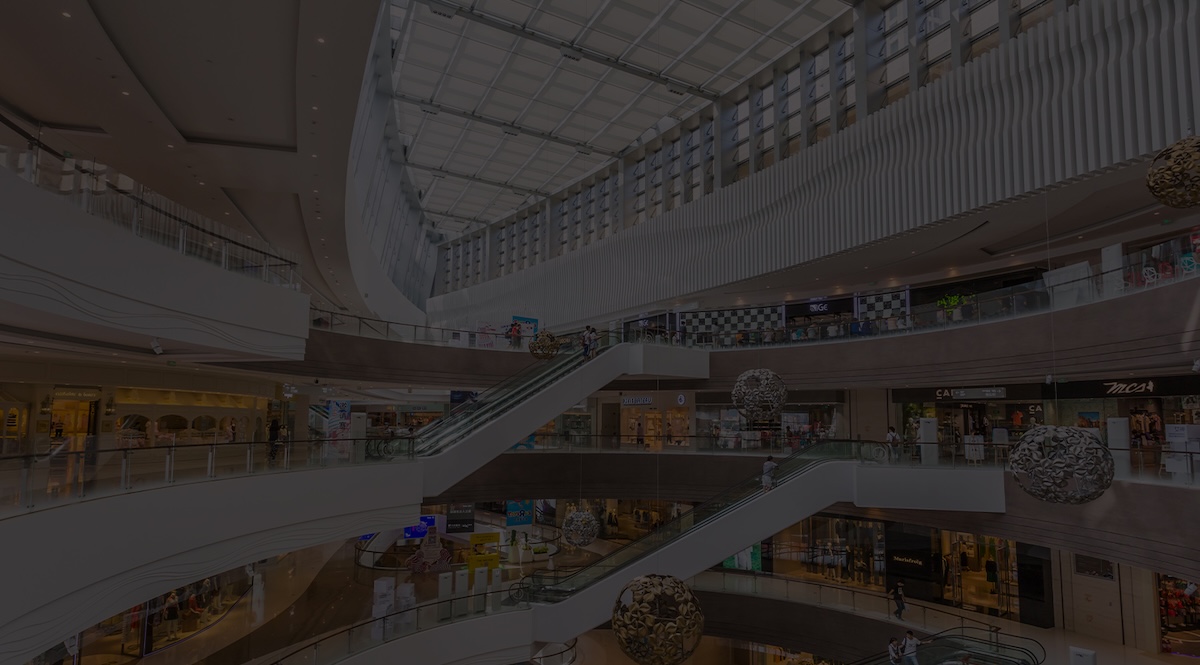
Commercial projects face the split incentive problem: the owner invests in the LEED certification but the operational savings (energy, water) are primarily captured by the tenant. This is the main obstacle Leaf helps resolve, not only technically but through green lease structures that allow owners and tenants to share the financial benefits of certification. LEED has two systems for the sector: LEED BD+C: Retail for new buildings or major renovations, and LEED ID+C: Retail for tenant interior fit-out. Major international retailers — Zara, H&M, Starbucks, McDonald's — have corporate policies that include LEED as a site selection criterion for new locations.
Certification scheme analysis: we define whether the project certifies as LEED BD+C: Retail (entire building) or as Core & Shell for common areas, giving tenants the option to certify their spaces separately with LEED ID+C.
Green lease strategy: we design green lease clauses that align owner and tenant incentives to share the financial benefits of certification.
Common systems optimization: we prioritize common area HVAC efficiency, LED lighting, and water management — the EA and WE credits the owner directly controls.
GBCI certification: we manage review cycles including coordination with participating tenants.

Through green leases: lease agreements where the owner shares consumption data with tenants and both commit to efficiency targets. Leaf advises on structuring these clauses, which are increasingly standard in top-tier LEED retail projects.
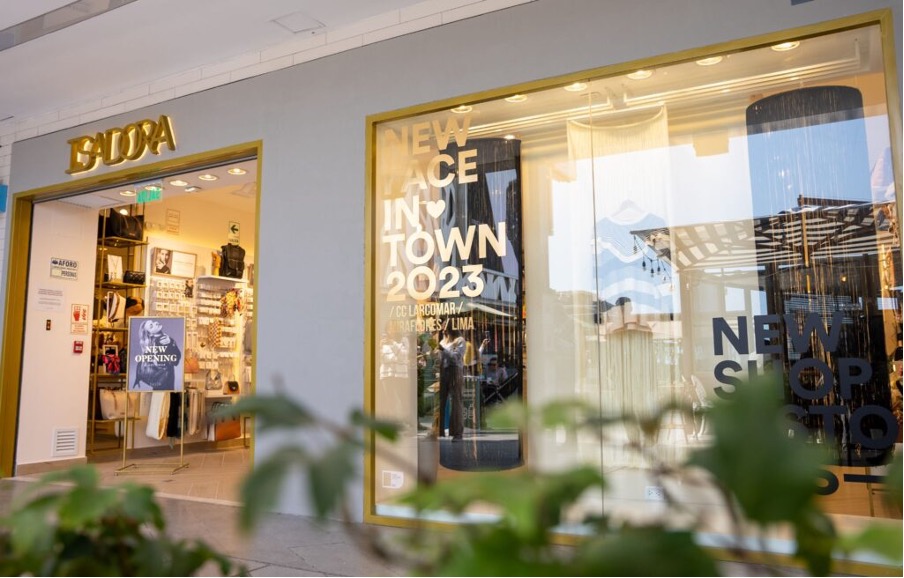
Yes. LEED ID+C: Retail allows a retailer to certify their specific store fit-out independently of the building. This is the option used by Starbucks, H&M, and other chains to certify their stores in countries where buildings don't have LEED certification.
Between 16 and 28 months for new medium-scale shopping centers. The main complexity lies in coordinating with multiple tenants and managing the common HVAC systems that affect all.
Leaf Global. Copyright © 2026. All rights reserved.