He leads projects and consulting services under LEED, EDGE, and FITWEL standards, integrating facade optimization strategies, life cycle assessments, and energy modeling to develop high-performance buildings.
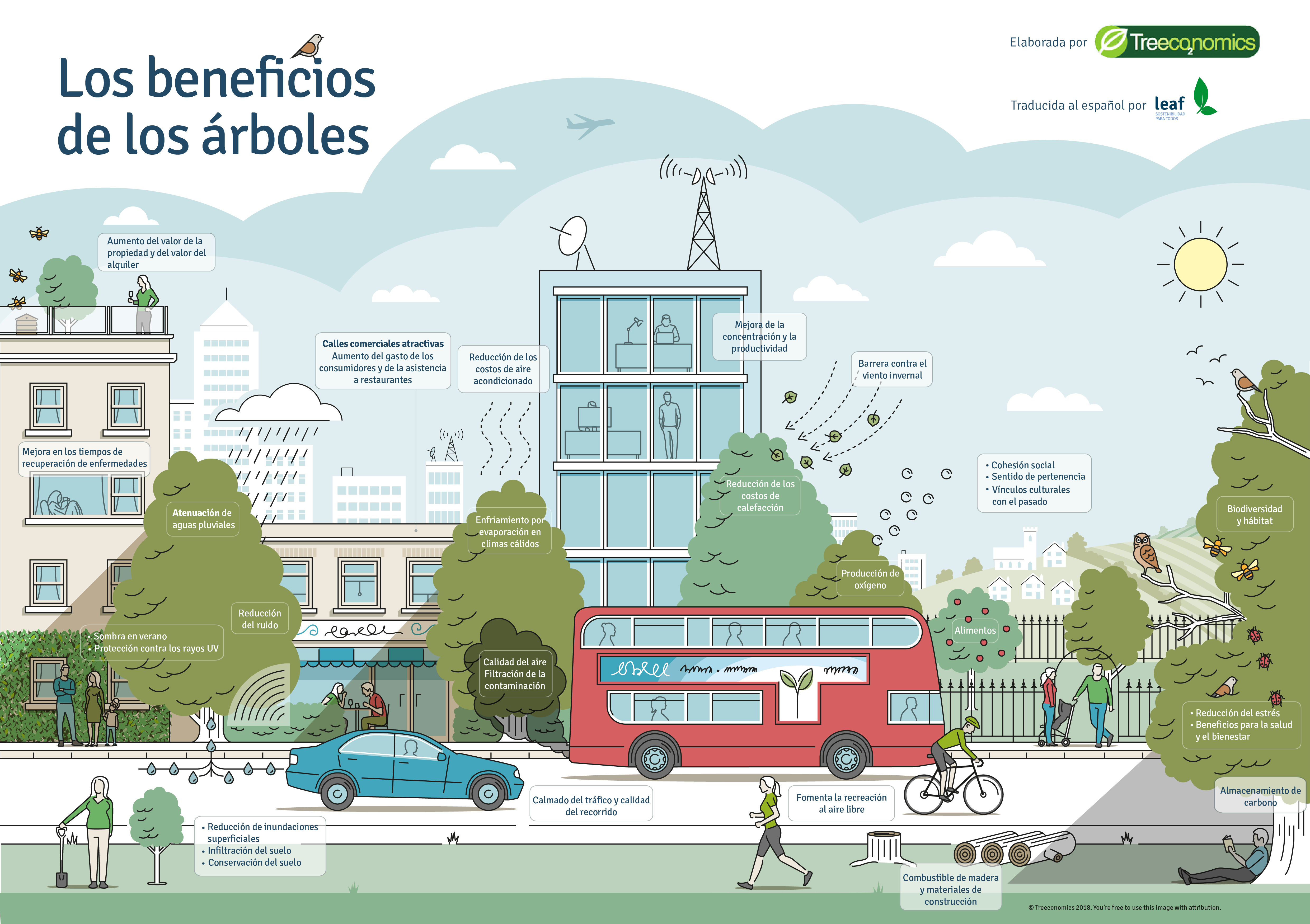
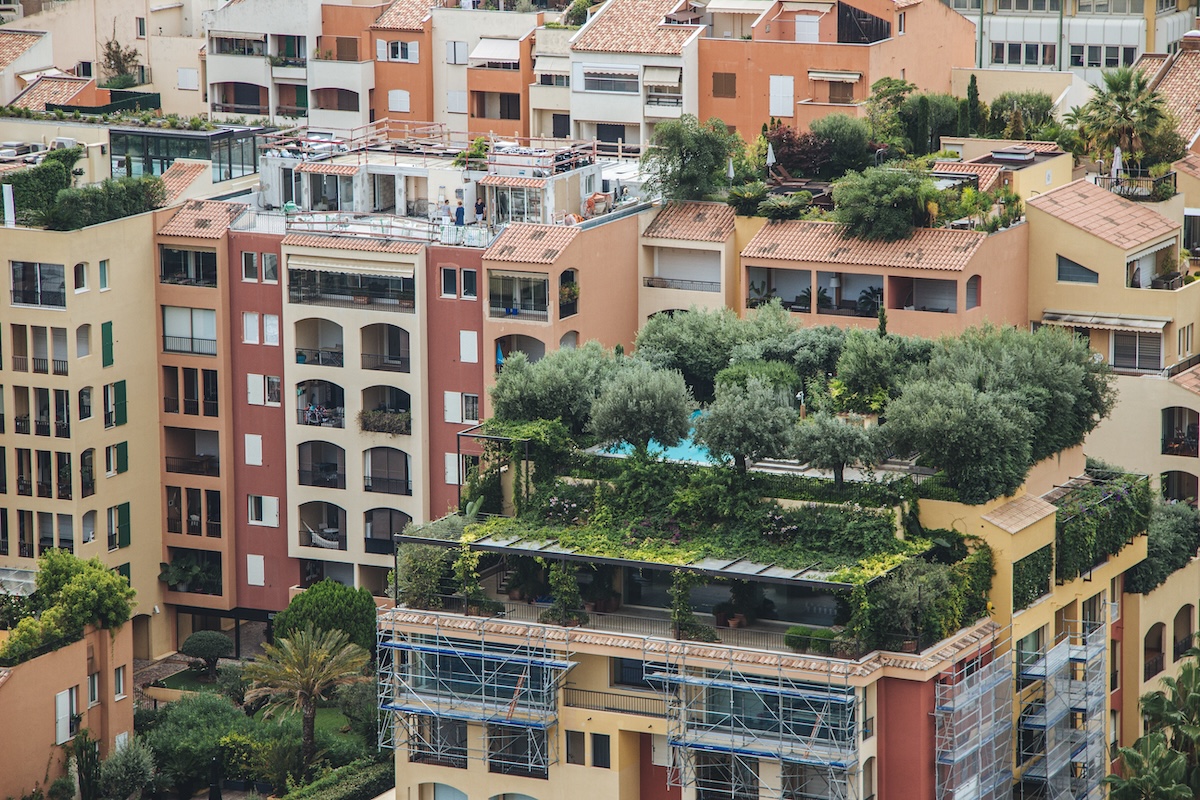
In a world where cities are growing at a rapid pace, Urban Trees Have become strategic allies to improve the Quality of Life of the inhabitants. Beyond their aesthetic value, trees play a fundamental role in Climate Change Mitigation, the Public Health And the Conservation of Natural Resources.
In this article, you will learn about 10 Benefits of Trees in cities and how their presence is transforming the way in which we conceive of sustainable urban development.
Trees work like a natural filtration system. Its Leaves Capture Contaminant particles And greenhouse gases such as carbon dioxide, helping to combat Atmospheric pollution. This process is key to protecting the health of inhabitants in densely populated areas.
The shade provided by trees reduces the need for Air conditioner In buildings, which implies a lower consumption of Energy and lower emissions associated with the construction and use of infrastructure. Studies show that in wooded areas the temperature can drop between 2 and 8 °C.
Urban Trees play a vital role in the management of Water. Its roots improve absorption into the soil and reduce the risk of flooding. In addition, they help to maintain humidity in the environment, which is essential in cities facing droughts.
Trees create Habitats for multiple species of birds, insects and small animals. In cities, the existence of green corridors favors the conservation of Biodiversity, mitigating the negative effects of urban development.
Diverse Researches Confirm that the Urban Trees Have direct benefits over Public Health:
Together, this translates into healthier communities with a better quality of life.
Trees are an essential tool for Climate Change Mitigation. Through the capture of CO₂ and the reduction of Emissions, reduces the effects of Greenhouse effect. In addition, they support compliance with Global Goals and international agreements such as the Paris Agreement.
The presence of Urban Trees Increase the Worth of properties and attracts investment in projects of Sustainable construction. For companies and real estate sectors, betting on urban green is not only an environmental measure, it is also a profitability strategy.
Trees offer Spaces Of encounters that strengthen the Community. By creating areas of recreation and natural beauty, social integration, a sense of belonging and citizen participation in projects of Conservation.
The design of green corridors and the implementation of strategies of Environmental Management Help reduce the spread of Plagues And Illnesses. In addition, trees improve air quality, reducing the risk of respiratory problems.
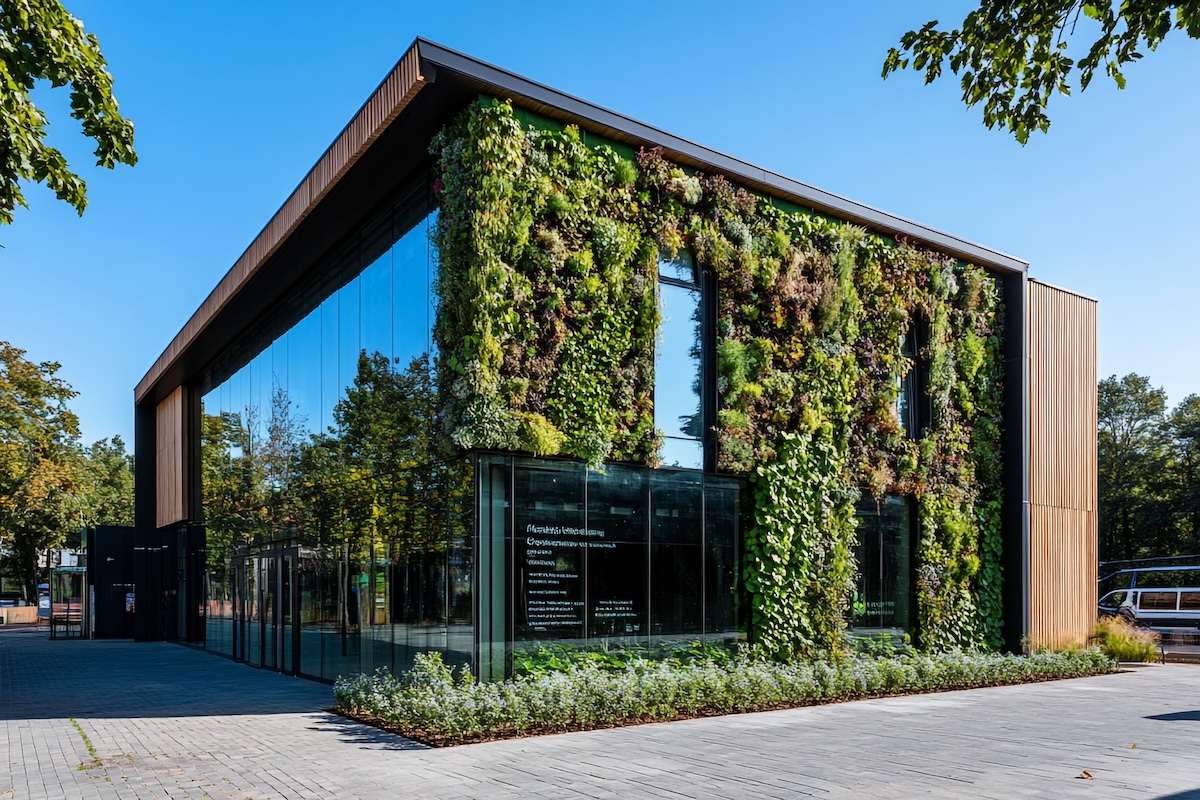
Substructure green, driven by institutions and organizations such as The Nature Conservancy, integrates trees into large scale urban projects. These innovative systems provide resilience to climate change and promote more sustainable urban development.
The Nature Conservancy Is one of the institutions that leads projects of Conservation of the Environment around the world. His work in cities focuses on integrating trees and green corridors as part of Strategies of sustainable development. This not only protects natural resources, but also improves the Quality of Life of millions of people.
The urban trees they are not simple decorative elements: they are part of the substructure essential of cities. Its proper implementation contributes to a more balanced, healthy and sustainable urban development model.
They reduce air pollution, lower ambient temperature (by 2 to 8°C in wooded areas), improve stormwater management, protect urban biodiversity and increase the value of nearby properties.
Through CO₂ capture and emissions reduction, urban trees support compliance with global goals such as the Paris Agreement.
It's the planned integration of trees and green corridors into city design, driven by organizations like The Nature Conservancy, which builds resilience against climate change.
Profits of the trees in cities are multiple and range from public health to the mitigation of climate change. Invest in urban tree projects is to bet on innovation, resilience and the construction of stronger communities.
In short, trees represent a key tool for Cities of the future are spaces where the sustainability, the conservation and people's well-being are at the center of development.
Leaf Global. Copyright © 2026. All rights reserved.