He leads projects and consulting services under LEED, EDGE, and FITWEL standards, integrating facade optimization strategies, life cycle assessments, and energy modeling to develop high-performance buildings.
Explore the current landscape of sustainable certifications in Mexico, including LEED, WELL, and EDGE, and their impact on real estate value and growth.
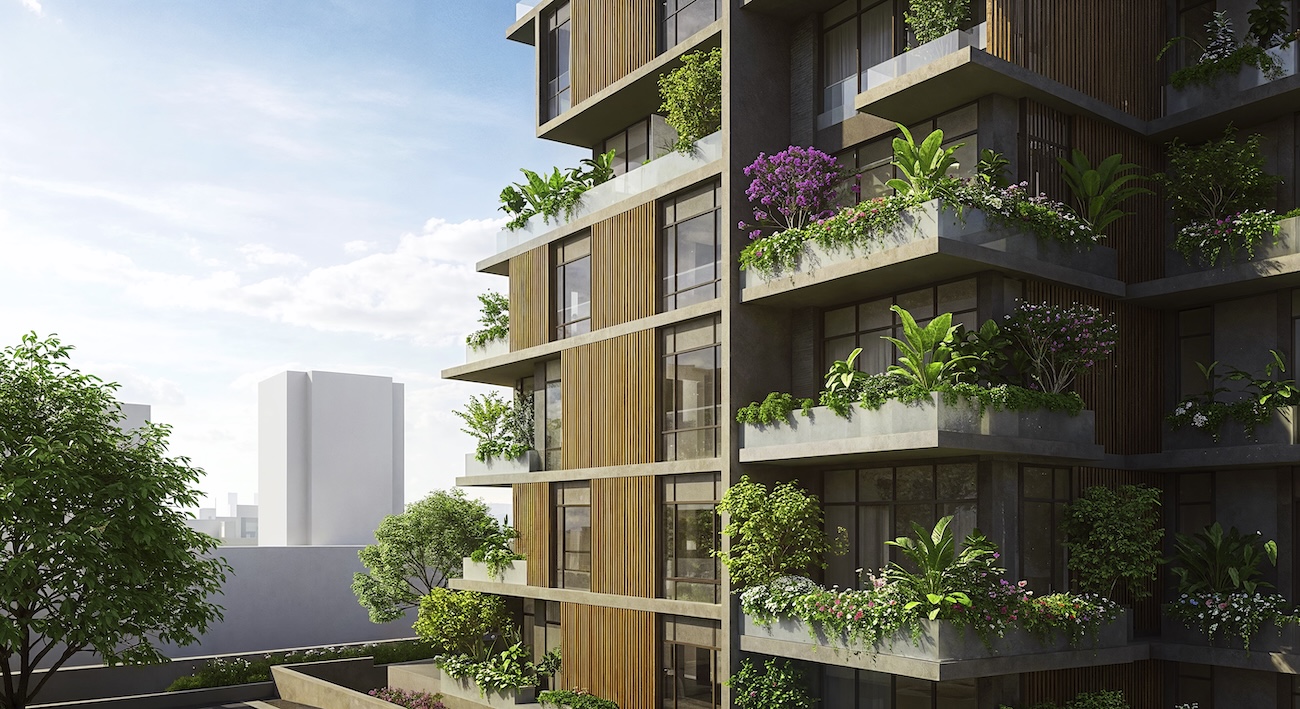
Mexico’s real estate sector is undergoing a major transformation. Sustainability has moved from being a value-added feature to becoming a key factor in decision-making for developers, investors, and corporations. In this context, sustainable certifications in Mexico have gained prominence as tools that validate the environmental, social, and economic performance of buildings.
From global standards such as LEED, WELL, and EDGE, to emerging local initiatives and regulations, the current landscape reflects a clear trend: sustainable projects are leading the market.
In this article, we explore the current state of sustainable certifications in Mexico, their impact on real estate, and where the industry is heading.
Sustainable certifications are systems that evaluate a building’s performance in areas such as:
In Mexico, these certifications are increasingly important because they help:
The growing demand for sustainable buildings is driving widespread adoption across the country.
In recent years, Mexico has established itself as one of the most dynamic markets in Latin America for sustainable construction.
Key drivers of this growth include:
Cities such as Mexico City, Monterrey, and Guadalajara are leading this transformation, particularly in corporate offices and mixed-use developments.
LEED certification is the most widely used system in the country and the global benchmark for sustainable construction.
It evaluates:
Mexico ranks among the countries with the highest number of LEED-certified projects worldwide.
WELL certification has gained strong traction in the corporate real estate sector, especially in office buildings.
It focuses on:
In cities like Mexico City, WELL is becoming a key differentiator in Class A office buildings.
EDGE certification, developed by the International Finance Corporation (IFC), focuses on resource efficiency.
It evaluates:
EDGE has seen strong adoption in housing and mass-market developments across Mexico.
In addition to LEED, WELL, and EDGE, other relevant certifications include:
These options provide flexibility depending on the project type and market needs.
One of the most significant benefits of sustainable certifications is their impact on asset value.
Certified buildings typically achieve:
This positions sustainability as a financial strategy, not just an environmental one.
Sustainable certifications play a critical role in ESG (Environmental, Social, Governance) strategies.
They help:
More investors are now requiring certified assets as part of their investment criteria.
Despite strong growth, the market still faces challenges:
However, these challenges also present opportunities for those leading the transition.
The future of the sector points toward:
Sustainability is becoming the new industry standard.
The right certification depends on project goals:
The key is aligning the certification with the project’s strategy.
At Leaf, we help developers and investors:
Our approach integrates sustainability, efficiency, and well-being to deliver real impact.
Sustainable certifications in Mexico are transforming the real estate sector.
More than a trend, they are essential tools to:
In an increasingly competitive landscape, sustainable developments are leading the future.
Leaf Global. Copyright © 2026. All rights reserved.