He leads projects and consulting services under LEED, EDGE, and FITWEL standards, integrating facade optimization strategies, life cycle assessments, and energy modeling to develop high-performance buildings.
Discover the top 5 sustainable certifications in 2026—LEED, WELL, EDGE, Fitwel, and BMS—and how they boost building value and efficiency.
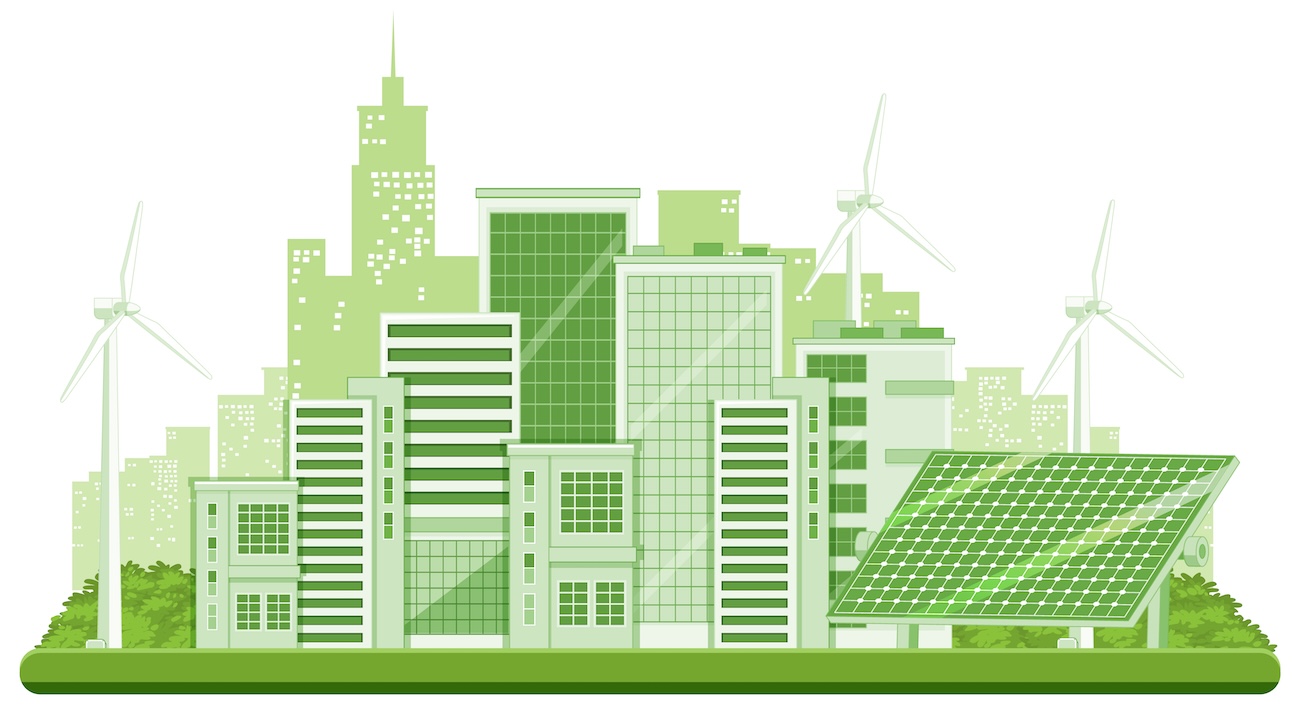
Sustainable construction is no longer a trend—it’s a necessity. In 2026, developers, investors, and companies are prioritizing projects that reduce environmental impact, improve resource efficiency, and generate long-term value.
In this context, sustainable building certifications have become essential tools to validate building performance and position assets in an increasingly competitive real estate market.
From global standards like LEED and WELL, to efficiency-driven systems like EDGE, wellness-focused frameworks like Fitwel, and local programs such as Bono Mi Vivienda Sostenible (BMS), understanding these certifications is key to making strategic decisions.
In this article, we present the top 5 sustainable certifications you should know in 2026.
Sustainable certifications are systems that evaluate the environmental, social, and sometimes economic performance of a building.
They assess factors such as:
Their importance lies in their ability to:
In a market where sustainability is critical, these certifications provide a clear competitive advantage.
LEED (Leadership in Energy and Environmental Design) is the most widely recognized green building certification worldwide.
Developed by the U.S. Green Building Council (USGBC), it evaluates building performance across categories such as:
LEED is ideal for corporate, commercial, and institutional projects aiming to lead in sustainability.
EDGE (Excellence in Design for Greater Efficiencies) is a certification developed by the International Finance Corporation (IFC), part of the World Bank Group.
It focuses on improving efficiency in three key areas:
To achieve EDGE certification, projects must reach at least:
👉 20% savings in energy, water, and embodied energy in materials
EDGE is a practical and cost-efficient solution.
WELL certification focuses on a critical factor: human health and well-being within buildings.
Developed by the International WELL Building Institute, it evaluates how spaces affect occupants through:
WELL is especially relevant for offices and workplace environments.
Fitwel certification promotes health and well-being through practical, evidence-based strategies.
It was developed with support from the Centers for Disease Control and Prevention (CDC) and the General Services Administration (GSA).
Fitwel is a strong option for organizations seeking impact with less complexity.
The Bono Mi Vivienda Sostenible (BMS) is a program in Peru that promotes sustainable housing through financial incentives.
It is awarded to projects that meet sustainability criteria such as:
BMS shows how public policies can drive sustainability in real estate.
Each certification has a different focus:
Choosing the right certification depends on:
The industry is evolving rapidly. Key trends include:
👉 Certifications are no longer optional—they are becoming the industry standard.
There is no one-size-fits-all answer:
The key is aligning the certification with your project strategy.
At Leaf, we help developers and investors:
We turn sustainability and wellness into a real competitive advantage.
Sustainable certifications in 2026 are essential for the future of real estate.
More than a requirement, they represent an opportunity to:
In a highly competitive industry, sustainable and wellness-driven projects are leading the future.
Leaf Global. Copyright © 2026. All rights reserved.