He leads projects and consulting services under LEED, EDGE, and FITWEL standards, integrating facade optimization strategies, life cycle assessments, and energy modeling to develop high-performance buildings.
Discover the 10 most innovative sustainable buildings in Mexico in 2025 and how they reduce emissions, improve energy efficiency and environmental impact.
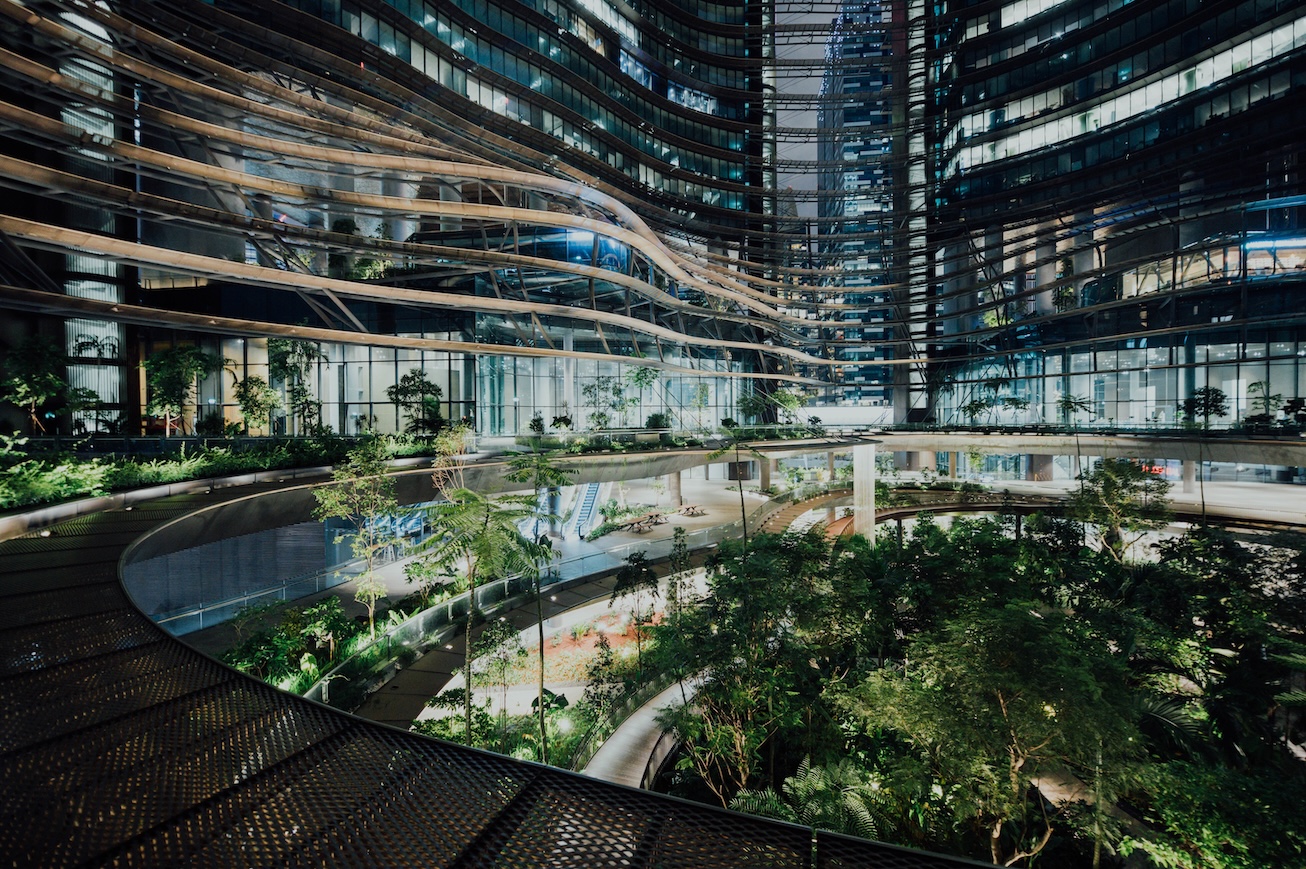
Mexico has established itself as one of the leading countries in Sustainable Architecture in Latin America, promoting a new generation of Sustainable Buildings What do they combine Energy Efficiency, well-being for users and reduction of Environmental Impact. In a context marked by the Climate Change, the resource crisis and the need to reduce CO₂ emissions, sustainable building is no longer a trend: it is a strategic need for cities, companies and developers.
In this article we analyze The 10 most innovative sustainable buildings in Mexico in 2025, real examples of how the Sustainable construction, the Environmental certification and architectural design are transforming the real estate sector.
Sustainable Buildings are those designed to minimize the consumption of energy, water and materials, reduce the Carbon footprint And improve the Quality of Life of those who use them. In Mexico, these buildings respond to challenges such as Greenhouse effect, accelerated urbanization and pressure on the Environment.
Through efficient systems, renewable energy, intelligent facades and optimized operating processes, these projects generate economic, environmental and social advantages for the country.
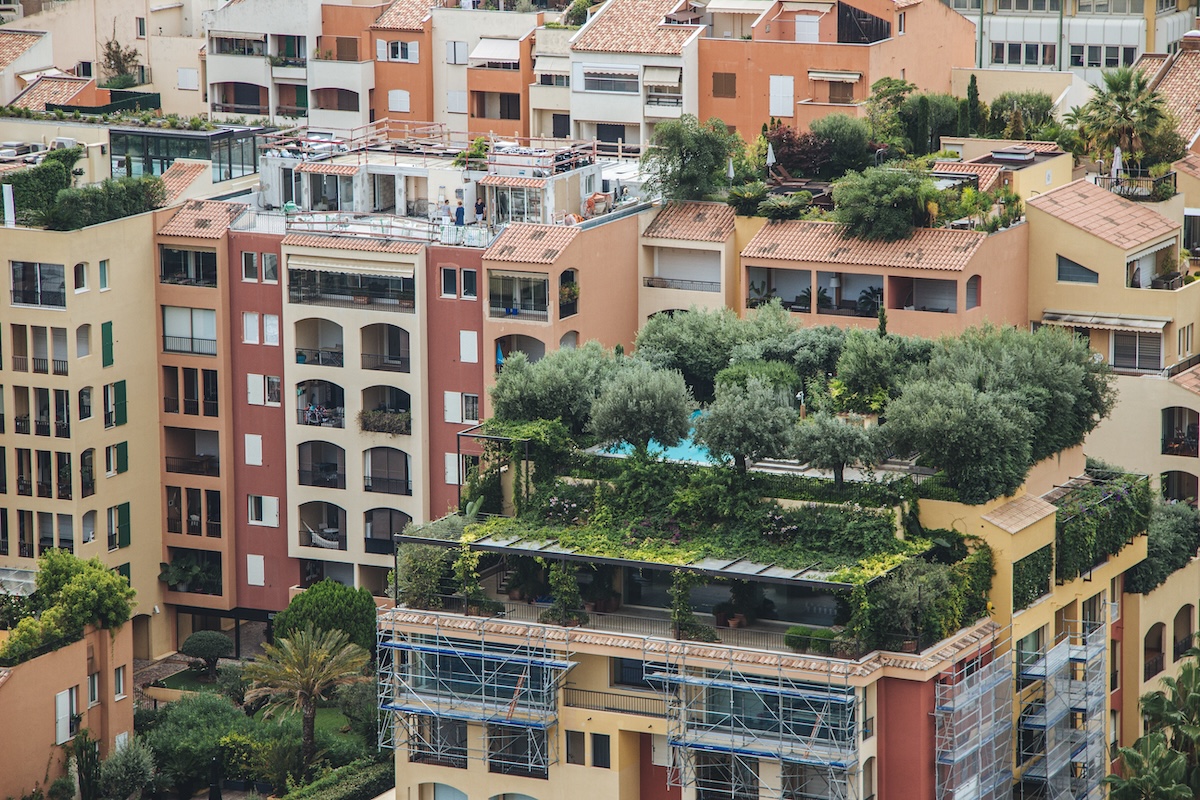
La Mexico City Concentrate some of the most ambitious projects of Sustainable Building of the country. Its urban density has driven the development of skyscrapers, corporate campuses and housing that prioritize Energy Efficiency, water savings and the well-being of users.
Next, we review the buildings that set the direction for the sector in 2025.
Torre Reforma Is one of the most recognized examples of Sustainable Architecture in Mexico. Designed with advanced structural criteria and materials with low environmental impact, this skyscraper stands out for:
It is a clear example of how architectural innovation can coexist with environmental responsibility.
The sustainable buildings analyzed share a common objective: to reduce Environmental Impact of construction and operation. This is achieved by:
These practices directly contribute to mitigating the Climate Change and to transform the construction sector in Mexico.
The certification Leadership in Energy and Environmental Design has become one of the main criteria for evaluating sustainable buildings in the country. This system analyzes key aspects such as:
More and more Mexican projects are integrating this standard to guarantee their environmental performance.
Buildings certified to standards In Energy and Environmental incorporated advanced technologies that allow monitoring consumption, optimizing operation and improving the user experience. These systems are essential for achieving high levels of long-term sustainability.
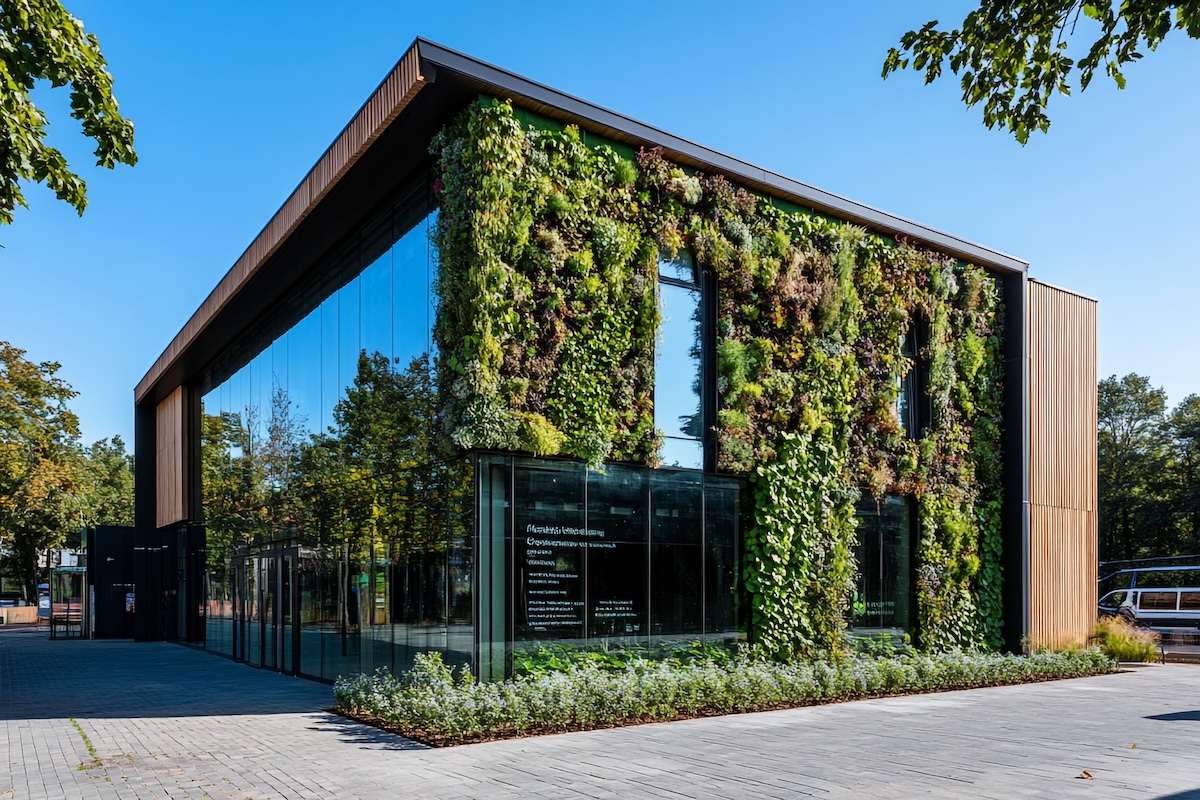
The Approach Energy and Environmental Design is reflected in projects that integrate solar energy, water saving systems, high-performance facades and responsible construction processes. In Mexico, this approach has raised the market value of buildings and has strengthened its international positioning.
The construction sector is one of the main responsible for CO₂ emissions worldwide. In response, sustainable buildings in Mexico act as a concrete solution to the climate crisis, reducing energy consumption, promoting renewable energy and improving urban resilience.
Energy Efficiency is one of the most relevant criteria in these buildings. Through intelligent systems, solar panels, natural ventilation and automation, we achieve:
Iberdrola Tower is another benchmark for sustainable building in Mexico. This project integrates renewable energy, efficient systems and an architectural design that prioritizes the well-being of users and the reduction of energy consumption throughout the useful life of the building.
Some projects in Mexico are beginning to align with the Living Building Challenge, one of the most demanding standards in the world. This approach evaluates not only energy efficiency, but also environmental regeneration, the use of responsible materials and the positive impact on communities.
Sustainability models promoted by organizations such as International Olympic Committee have inspired the development of campuses and complexes in Mexico that integrate gardens, water savings, renewable energy and human-centered design.
Sustainable buildings offer clear benefits for the country:
The transformation of the construction sector it's already under way. In 2025, sustainable buildings not only represent architectural innovation, but a real response to the environmental, economic and social challenges of today's world.
Mexico is moving towards more resilient, efficient and healthy cities, where sustainability ceases to be an added value and becomes the new standard of development.
Leaf Global. Copyright © 2026. All rights reserved.