He leads projects and consulting services under LEED, EDGE, and FITWEL standards, integrating facade optimization strategies, life cycle assessments, and energy modeling to develop high-performance buildings.

In a world increasingly aware of the importance of sustainability, Sustainable Development Goals (SDGs) of the United Nations are presented as a crucial road map to guide our actions towards a more equitable and environmentally friendly future. One of the key sectors on this path is construction, which plays a fundamental role in shaping our infrastructure and built environment. In this article, we will explore how the construction sector can contribute to achieving the SDGs and what sustainable approaches can be adopted in different areas.
The SDGs are 17 interconnected goals that range from poverty eradication to climate action. In the construction sector, these goals are intertwined in areas such as:
To advance these objectives, it is crucial that the construction industry adopts more sustainable practices in all its facets. Let's look at the selected SDGs in detail.
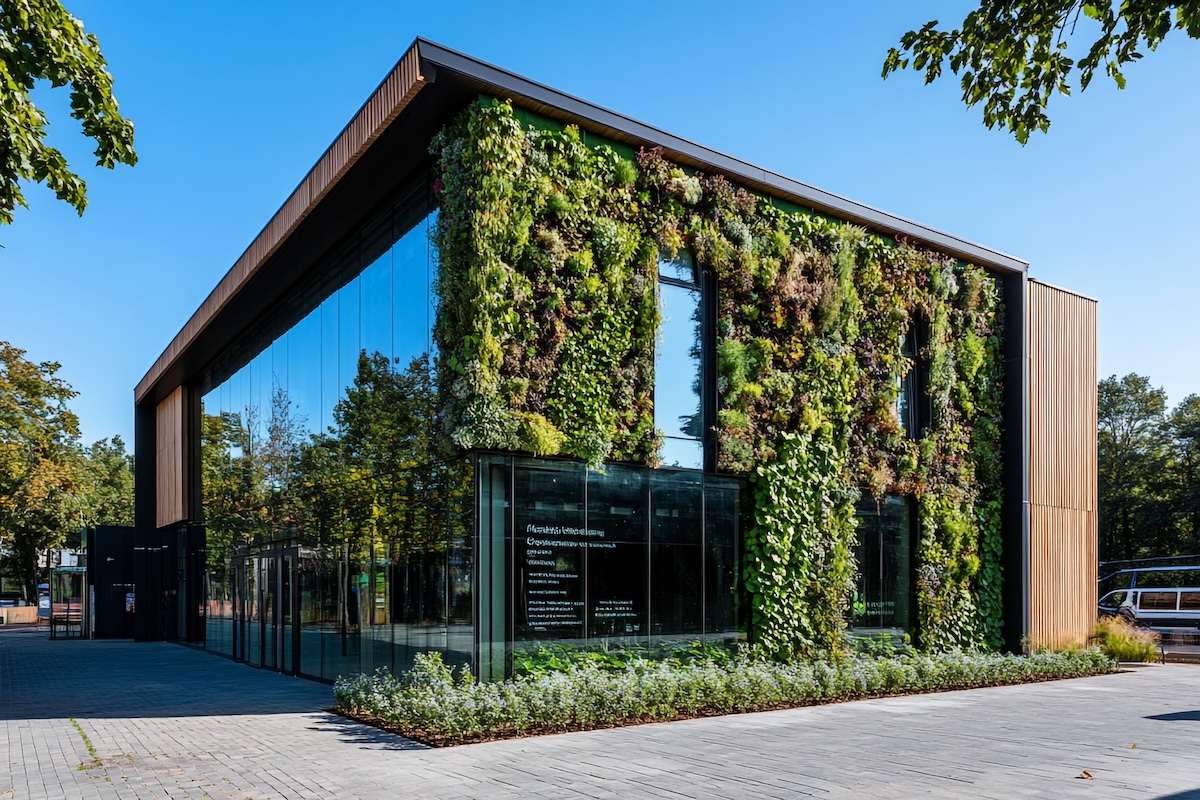
Sustainable Development Goal 3 also emphasizes the importance of sustainable buildings not only being environmentally friendly, but also providing comfort to their inhabitants and meeting basic health requirements. To achieve this, it is essential to promote the use of outdoor areas, to take advantage of sunlight in a natural way and to eliminate the use of coatings or paints harmful to the environment.
Sustainable Development Goal 6 emphasizes the urgency of finally addressing sanitation challenges before the end of the decade, ensuring equitable and universal access to water. Construction companies have a responsibility to promote the sustainable management of water resources in their projects, designing construction approaches that promote efficient use of water through technologies that monitor and reduce water consumption.
Sustainable Development Goal 7 seeks to promote energy efficiency through a focus on advanced research to promote the development of technologies that promote the use of renewable sources, as well as investment in the modernization of energy infrastructure.
Sustainable Development Goal 8 focuses on decent employment and economic growth. According to the United Nations, companies must play an essential role in ensuring the health and well-being of the population by implementing internal plans that safeguard safety and hygiene in the work environment, while minimizing any negative impact of their operations on the health of the community in which they operate.
Sustainable Development Goal 9 highlights the importance of companies implementing sustainable facilities and factories to reduce their environmental footprint and ensure the well-being of both their employees and their suppliers.
Sustainable Development Goal 11 embodies in a prominent way the connection between construction and sustainability, by promoting urban planning that respects our environment. It is oriented towards the creation of sustainable cities by 2030, with goals that include:
Sustainable Development Goal 12 promotes sensible and sustainable approaches to consumption and production, with the purpose of preventing the embezzlement of resources. In other words, it seeks to optimize production and economic activity to achieve equivalent results with a more efficient use of resources, without sacrificing the living standards of the population or the levels of business progress.
Sustainable Development Goal 13 addresses Climate Action, identifying climate change as the main current environmental challenge. Both economic and political actors have a moral responsibility to slow global warming. This covers the construction sector, which must prioritize the reduction of emissions to achieve carbon neutrality, optimize water use and respect biodiversity in its operating environment.
As urbanization increases, sustainable urban planning becomes even more important. Smart cities integrate technology and innovation to create efficient and livable urban spaces. This includes the development of efficient public transport systems, the creation of green spaces and the promotion of an adaptable infrastructure that can meet the challenges of climate change. Read more in our article.
The construction sector has the power and responsibility to contribute significantly to the achievement of the SDGs. Through the adoption of sustainable practices, from architecture to material choice and urban planning, we can build a more equitable and environmentally friendly future. In doing so, we will not only improve the quality of life of present and future generations, but we will also lay the foundations for a more sustainable world in every sense.
Leaf Global. Copyright © 2026. All rights reserved.