He leads projects and consulting services under LEED, EDGE, and FITWEL standards, integrating facade optimization strategies, life cycle assessments, and energy modeling to develop high-performance buildings.
A green architecture is an approach to design and construction that seeks sustainability and respect for the environment. This article will explain to you what green architecture is, its basic principles and its many advantages.
What are green buildings
Green architecture is a design and construction approach that seeks to adapt to the natural environment, optimize the use of resources and minimize environmental impact.
The fundamental principles of green architecture include:
By integrating these principles into all phases of a building's life cycle, from planning to operation, we contribute to sustainable economic development and improve the quality of life of the inhabitants.

Ean Legacy Building in Bogota, Colombia. Excerpted from universitadean.edu.co
The benefits of green architecture encompass three main areas: environmental, economic and quality of life.
Green architecture contributes significantly to the reduction of greenhouse gas emissions and carbon footprint, optimizes the use of water and energy, and promotes biodiversity through designs integrated with nature.
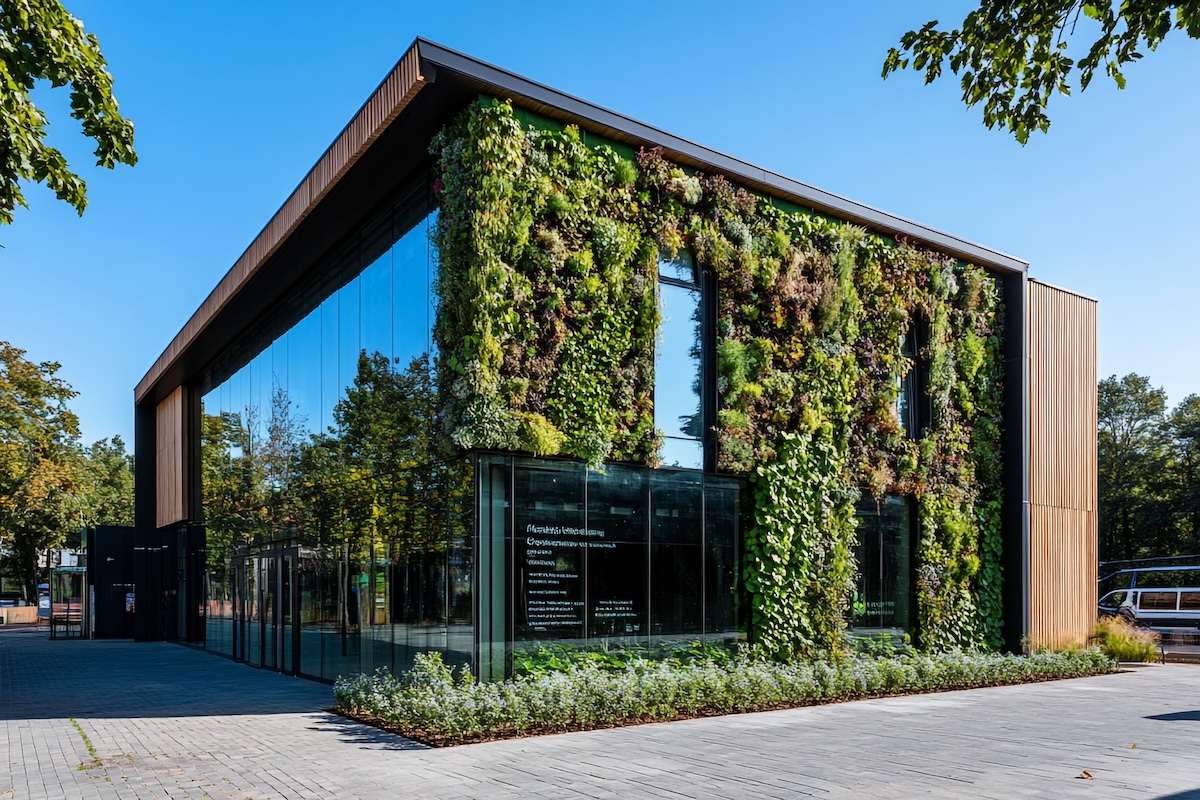
A prominent example is the Ean Legacy building in Bogotá, Colombia, which incorporates vertical gardens and water efficiency systems, improving air quality and promoting urban sustainability.
These practices help mitigate global warming and promote healthier ecosystems.
Opting for recyclable and sustainable materials can significantly reduce costs in the long term. In addition, green architecture promotes energy efficiency, which translates into lower operating expenses.
These savings, combined with the increased resale value of sustainable buildings, make the initial investment in green architecture economically viable and beneficial.
Environments designed with principles of sustainability have a positive impact on the mental health and well-being of their occupants. The incorporation of green spaces and the improvement of indoor air quality contribute to a healthier and more comfortable environment.
In addition, these spaces can increase worker productivity and satisfaction, creating happier and healthier communities.

The technologies and systems used in green architecture are fundamental to achieving sustainability objectives. These include renewable energy systems, efficient water management, and passive design, all designed to optimize resource use and minimize environmental impact.
Each of these technologies is implemented in such a way that they are harmoniously integrated into the building's design, improving its efficiency and functionality.
The use of renewable energy is a fundamental pillar in green architecture. The incorporation of photovoltaic panels and wind generators in buildings it reduces dependence on fossil fuels and reduces greenhouse gas emissions.
Not only do these systems provide a clean energy source, but they also contribute to the building's energy efficiency.
Water management systems are essential for the sustainability of green buildings. Technologies such as rainwater collection and greywater treatment make it possible to reuse water for irrigation and other non-drinkable uses.
A prominent example in Latin America is La Casa Uruguaya, a prototype of self-sufficient housing that integrates efficient water management systems to minimize consumption and maximize resource use.
The passive design takes advantage of local weather conditions to reduce energy consumption. Strategies such as orienting the building to maximize natural light and cross ventilation improve thermal comfort and reduce the need for artificial air conditioning systems.
In the region, the Torre Reforma in Mexico City is a benchmark, since it optimizes its thermal envelope and natural ventilation to reduce energy consumption.

How green buildings help mitigate environmental impact
Certifications ensure that buildings meet sustainability standards. Among the most recognized are LEED, BREEAM, EDGE, WELL, FITWEL and SITES, each with specific approaches: energy efficiency, environmental impact, use of sustainable materials, water management.

To illustrate how the principles of green architecture are applied in practice, we will present some outstanding examples. The Reforma Tower in Mexico City and the EAN Building in Bogotá are inspiring examples that not only demonstrate the viability of sustainable architecture, but also serve as inspiration for future projects.
The Torre Reforma is one of the most emblematic buildings of sustainable architecture in Mexico. Certified with LEED Platinum, this tower uses a bioclimatic design that maximizes energy efficiency, with a concrete façade that reduces thermal load and allows better regulation of interior temperature. In addition, it has rainwater collection and wastewater recycling systems, reducing its environmental impact.
The EAN Building in Bogotá, Colombia, is a benchmark in energy efficiency and sustainability. Its design incorporates vertical gardens, a natural ventilation system and solar panels that reduce its dependence on conventional energy sources. In addition, it uses recycled materials and sustainable construction techniques that minimize its environmental impact and promote the well-being of its occupants.
The impact of Bosco Verticale has inspired similar projects around the world, demonstrating the influence of green architecture on global urban design. The Dragonfly House, for example, is integrated into a forest in the Paraná River Delta and is designed to rise above the floods with its stilt structure.
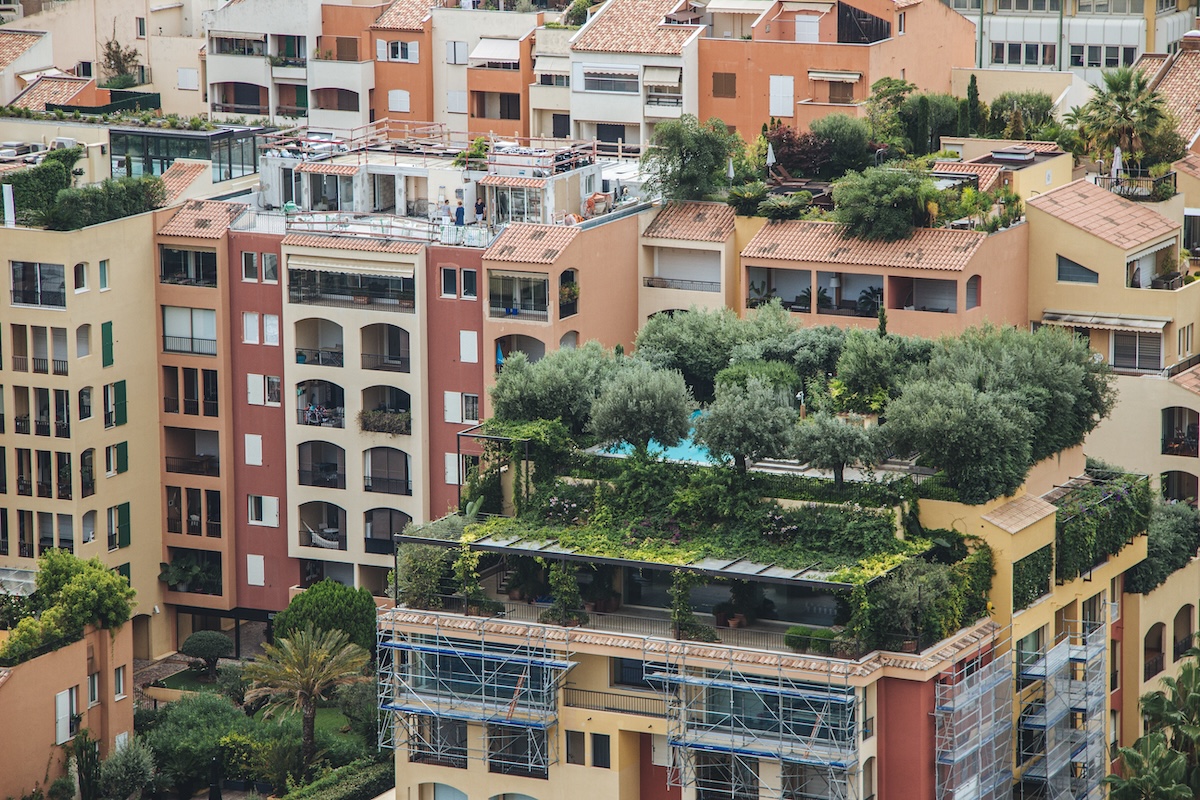
Another innovative example is the Valley Building, currently under construction in the Zuidas district of Amsterdam. Its design incorporates green terraces on multiple levels, with vegetation that improves air quality and urban biodiversity, as well as energy efficiency systems that reduce resource consumption.
These projects not only improve architectural aesthetics, but they also set precedents for sustainability and adaptation to the environment.
Green architecture is not just a trend, but a necessity in today's world. From the definition and principles to the benefits and technologies used, we have explored how this approach can transform our cities and improve the quality of life. Adopting sustainable practices in construction not only protects the environment, but also offers significant economic and social benefits. It's time to consider green architecture as the standard for a more sustainable future.
Green architecture is a trend that promotes sustainability in construction, optimizing natural resources and reducing environmental impact. Their focus on caring for the environment is crucial for a more responsible future.
The principles of green architecture are based on sustainability, energy efficiency, the use of recyclable materials and the minimization of waste. These approaches ensure a positive environmental impact and promote a more responsible built environment.
Green architecture provides significant benefits, including the reduction of greenhouse gas emissions, reduced operating costs and the creation of healthier spaces. These aspects not only contribute to the well-being of the environment, but they also improve people's quality of life.
The most recognized certifications for green buildings include LEED, BREEAM, EDGE, WELL, FITWEL and SITES, which evaluate the sustainability and energy efficiency of buildings.
Leaf Global. Copyright © 2026. All rights reserved.