He leads projects and consulting services under LEED, EDGE, and FITWEL standards, integrating facade optimization strategies, life cycle assessments, and energy modeling to develop high-performance buildings.
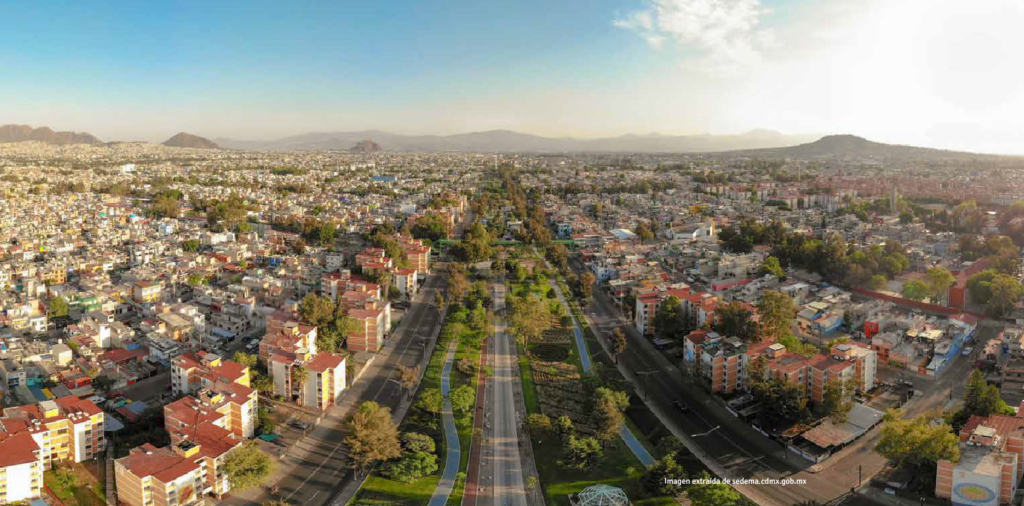
The green design strategies for cities include the creation of green infrastructure, energy efficiency in buildings, sustainable mobility and efficient water and waste management.
In this blog, we'll discuss these practical solutions for reducing environmental impact in urban environments.

Image taken from Espacioverde.pe
The design of green infrastructures is one of the most effective strategies for reducing the environmental impact of cities and improving the quality of life of their inhabitants.
These infrastructures include urban parks, green roofs and walls, and ecological corridors, which not only beautify the environment, but also offer tangible benefits for the environment and public health. The vegetation in these infrastructures improves air quality and contributes to community well-being by acting as natural lungs that filter pollutants.
The green infrastructures help mitigate climate change by reducing greenhouse gas emissions, improving air quality and promoting urban biodiversity. In addition, proper urban planning can reduce exposure to pollutants and improve public health, providing safe and pleasant spaces for recreation and socialization.
In addition, transforming deteriorated spaces into green areas can have a significant impact on the community, fostering a sense of belonging and improving social cohesion. The integration of green areas also reduces the burden on the urban drainage system and prevents flooding, demonstrating that sustainable urban planning can be both functional and aesthetic.
Urban parks and gardens are essential to enhance biodiversity in cities. These green spaces provide habitats for diverse species, improving air quality by filtering pollutants and offering a haven of tranquility for inhabitants. There are several ways in which urban parks and gardens can promote biodiversity, such as planting native species and creating ecological corridors.
In addition to their environmental benefits, urban parks and gardens promote the emotional and physical well-being of the population, offering places for exercise, recreation and socialization. These spaces promote a healthier and more active lifestyle, contributing to social cohesion and the general well-being of the community.
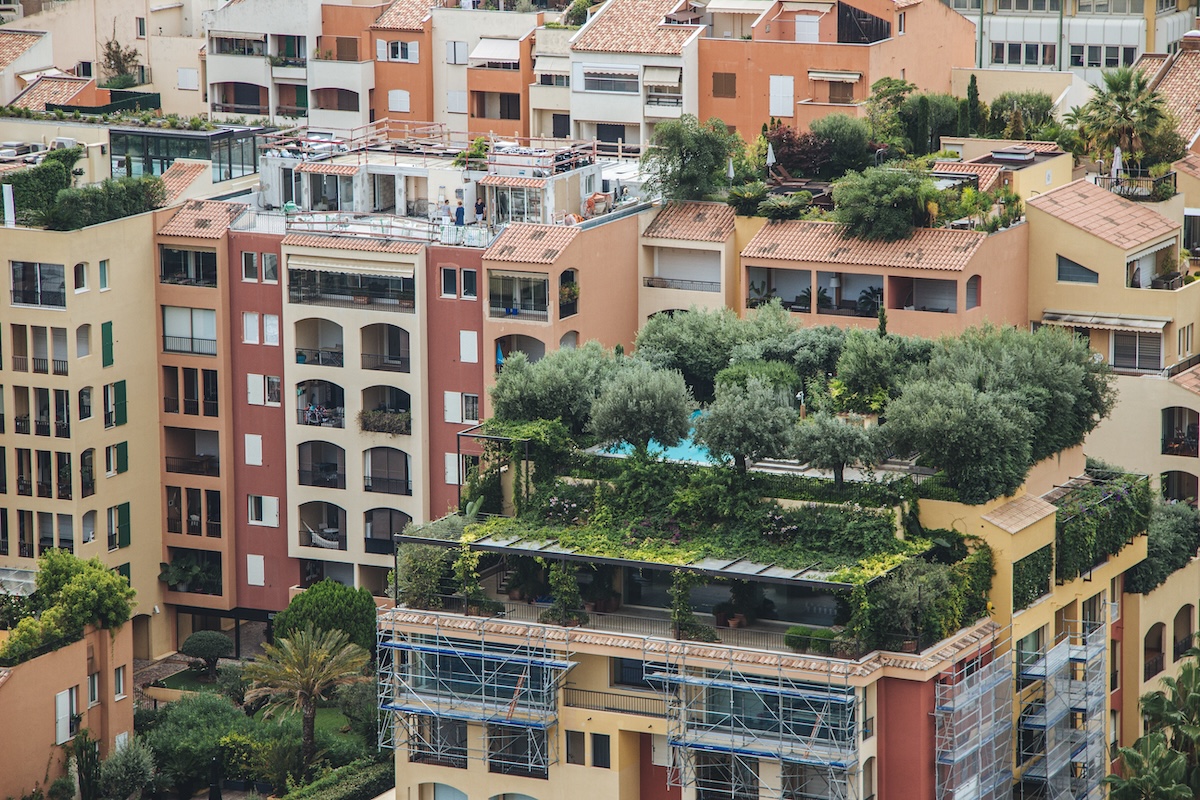
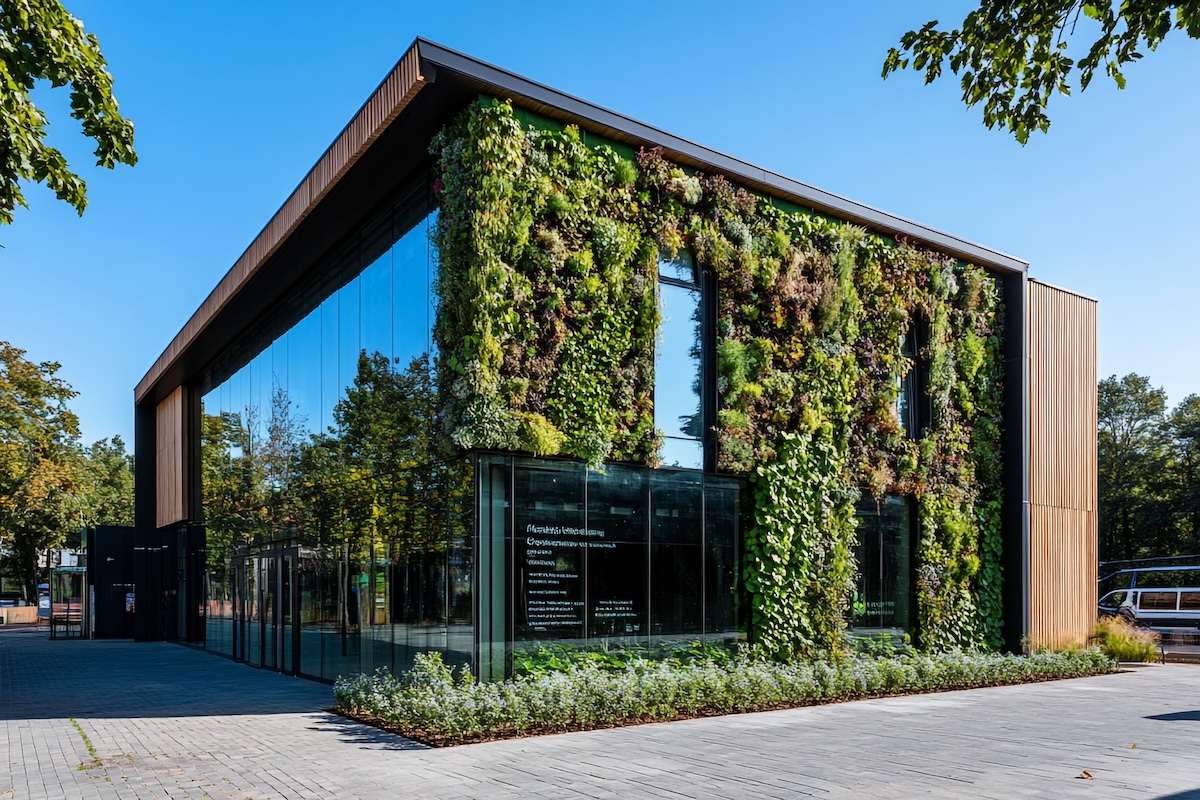
Green ceilings and walls are an innovative solution that contributes significantly to the sustainability of buildings and the urban environment. These elements of the bioclimatic design They use local weather conditions to reduce the need for artificial energy, improving the energy efficiency of buildings.
The use of quality insulating materials and the strategic orientation of buildings can considerably reduce the need for heating and cooling, thus reducing energy consumption and greenhouse gas emissions.
Los green roofs and green walls not only embellish the urban landscape, but also contribute to the conservation of the environment.
Ecological corridors are essential for connecting different green areas in a city, facilitating the movement of flora and fauna between fragmented habitats. Projects such as Natural Routes in Costa Rica demonstrate how green infrastructure can conserve the ecosystem and clean rivers, creating a positive impact both on biodiversity and on the quality of urban life.
In addition to their environmental benefits, ecological corridors enhance the urban experience by providing natural spaces within the city. These corridors not only benefit biodiversity, but they also offer citizens a healthier environment, promoting sustainability and resilience in the face of environmental challenges.

One Central Park, Sydney, Australia
Energy efficiency is fundamental to sustainable urban design. Its importance lies in contributing to the sustainability of cities. Implementing strategies that reduce energy consumption in buildings can have significant economic and environmental benefits. The cities that adopt ecological design techniques may experience a decrease in energy consumption and a reduction in their carbon emissions.
The use of renewable energy, passive design and the selection of sustainable materials are some of the principles that can improve energy efficiency in buildings. These practices contribute to urban sustainability, increase property values and reduce long-term energy costs.
The combination of these strategies allows cities to reduce their carbon footprint, as well as create more comfortable and healthy environments for people, showing that energy efficiency is essential for sustainable urban development.
Incorporating renewable energy into building design is a key strategy for reducing dependence on fossil fuels and reducing the carbon footprint. Technologies such as solar panels and wind turbines can be effectively integrated into buildings, offering a clean and renewable energy source.
The installation of solar panels, for example, can contribute significantly to the energy efficiency of buildings, reducing conventional energy consumption and reducing greenhouse gas emissions. Not only do these initiatives benefit the environment, but they can also result in long-term economic savings for homeowners.
Passive design is an architectural strategy that seeks to optimize the use of natural resources and minimize energy consumption in buildings. By making the most of natural light and the local climate, the need for artificial heating and cooling can be reduced, thus improving energy efficiency.
Some of the passive design strategies include the orientation of buildings, the use of suitable thermal materials and a design that promotes air circulation. These practices improve the quality of the indoor environment, providing more comfortable and healthy spaces for citizens.
The selection of green building products and materials is crucial to reducing the environmental impact of architectural projects and improving sustainability. Materials such as bamboo and cork, which are renewable and have a low environmental impact, are excellent options for sustainable construction.
Bamboo, for example, grows quickly and does not require pesticides or fertilizers, while cork acts as an excellent thermal and acoustic insulator in the soil.
When choosing sustainable materials, the environmental impact of buildings can be minimized and responsible construction practices that benefit both the environment and the economy can be promoted.

Image taken from buenosaires.gob.ar
Sustainable mobility is an essential component of ecological urban design. Encouraging the use of alternative transport, such as public transport, bicycles and pedestrian mobility, can significantly reduce automobile dependence and pollution in cities.
There are several ways in which sustainable mobility can be promoted in cities, such as the implementation of exclusive bike lanes and the improvement of public transport.
Sustainable urban design can contribute to a significant reduction in carbon generation by promoting cleaner transport solutions. Encouraging sustainable urban mobility requires a strategy focused on reducing the use of cars and improving infrastructure for alternative modes of transport.
By promoting sustainable mobility, we contribute to the creation of more livable cities with a lower environmental impact, improving the quality of life of current and future generations, and promoting a more sustainable economy.
Effective public transport networks are critical to reducing dependence on personal vehicles and encouraging sustainable travel. The creation of integrated transport networks, such as buses and trains, improves access and convenience for users, encouraging the use of public transport.
A prominent example in Latin America is the Metrobús system in Mexico City. This rapid transit bus (BRT) system has revolutionized mobility in the Mexican capital, offering safe, fast and efficient transportation. With exclusive lanes, well-located stations and timely service, the Metrobús has managed to significantly reduce travel time and greenhouse gas emissions, improving the quality of life of millions of citizens.
Another notable example is the TransMilenio in Bogotá, Colombia. This BRT system is one of the most extensive and efficient in the world, designed to improve urban mobility and reduce traffic congestion. With a network of routes that covers a large part of the city, the TransMilenio facilitates access to different urban areas, reducing the use of private cars and, therefore, environmental pollution. In addition, its implementation has been crucial to improving the quality of life of the inhabitants of Bogotá, providing a reliable and accessible public transport alternative.
Safe and well-designed infrastructure for bicycles is essential to promote their use as a practical and sustainable means of transport. However, there are some key elements that need to be considered for implementation:
These elements increase safety and comfort for cyclists, encouraging their daily use and reducing dependence on the car. The positive environmental impacts of bicycle infrastructure include reducing pollution and improving air quality.
In addition to improving urban mobility, the use of bicycles has multiple environmental and health benefits. By reducing greenhouse gas emissions and pollution, bicycles contribute to the fight against climate change and promote a more active and healthy lifestyle.
The design of accessible and comfortable pedestrian spaces is crucial to encourage walking and improve life in cities. Incentives such as the creation of green areas and attractive street furniture can increase the use of pedestrian spaces, promoting a more active and healthy lifestyle.
Ensuring visibility and adequate lighting in pedestrian spaces is essential to ensure the safety of pedestrians. A well-designed pedestrian environment not only improves quality of life, but also reduces the need for motorized transport, contributing to urban sustainability.

Image taken from thirdnaturearchitects
Sustainable water management in cities is essential to ensure sustainable urban development. Green infrastructure measures, such as rainwater collection systems, water-saving technologies and the restoration of water bodies, are essential for efficient water resource management.
River parks, for example, contribute significantly to water management by improving green spaces and environmental comfort, demonstrating how urban planning can protect cities from water disasters. In addition, ensuring equitable access to basic water services is crucial for sustainable and just urban design.
Efficient water management improves urban resilience to climate change, promotes greater sustainability and well-being for city inhabitants. Water management is vital for resilience to climate shocks, helping to mitigate their effects and protecting the most vulnerable communities.
Implement systems for capturing rainwater can be crucial to increasing the available supply in cities. These systems can cover between 15% and 30% of a home's sanitary consumption, allowing this resource to be reused for irrigation and cleaning, and helping to conserve drinking water (source: Structuralia).
The positive consequences of these systems include the reduction of the demand for drinking water and the reduction of urban runoff, which contributes to flood mitigation and the improvement of water quality.
In addition, installing intelligent irrigation systems optimizes water use in gardens and green areas, contributing even more to efficient water consumption and urban sustainability.
Water-saving technologies, such as:
are devices that help reduce water consumption in buildings. These devices allow a more efficient use of water resources, generating significant savings.
In addition, faucet aerators can decrease water flow without affecting comfort, generating significant savings and contributing to sustainable water use in urban environments.
Restoring bodies of water, such as rivers, lakes and urban wetlands, is important for improving biodiversity and quality of life in cities. The installation of wastewater treatment technologies helps eliminate contaminants and allows the safe reuse of water, contributing to water sustainability.
These technologies are essential for ensuring a healthy and sustainable urban environment, improving biodiversity and water quality in cities, and adapting to the challenges of climate change and water scarcity.
Solid waste management as a product of sustainable urban design is a key aspect. Here are some important points to consider:
These elements help to improve waste management in cities, promoting a cleaner and more sustainable environment.
A responsible attitude towards waste management facilitates proper management and contributes to a clean and healthy environment. The transition to sustainable practices in waste management can reduce pollution and improve public health.
In addition, the use of appropriate containers and accessibility to strategic recycling points are important to maximize recycling efficiency and promote a culture of sustainability among city residents.
The accessibility and adequate distribution of recycling stations in urban areas are key to encouraging their use. Strategically locating these stations maximizes their accessibility and use by the community, facilitating the separation of waste and the recycling process.
Containers of different sizes should be selected to adapt to the amount of waste generated in each area to optimize waste management. These efforts ensure that recycling is an effective and accessible practice for all residents.
Community composting programs can transform organic waste, such as leftover food and plant materials, into valuable compost. This process not only benefits gardens and green areas, but it also significantly reduces the amount of waste sent to landfills and improves waste management processes.
Involving the community in composting programs promotes sustainability and environmental responsibility. These programs improve waste management, as well as promote environmental education and social cohesion.
Reducing the use of disposable plastics is crucial to protecting the environment. Here are some alternatives and strategies that can be adopted on a daily basis:
The reduction of single-use plastics has a positive impact on sustainability and contributes to the conservation of the environment. In addition, it is essential to achieve a more sustainable world, where responsible practices in architecture and urban development play a crucial role in improving our environment.
Education and awareness are essential to promote ecological design and its understanding by the community. Citizens can join green initiatives such as creating urban gardens, implementing recycling systems and promoting bike sharing. Advancing education and awareness about ecological design is essential to achieve significant change in society.
Adopting these initiatives helps the environment, improves the quality of urban life and fosters a more cohesive community. The active participation of citizens in these initiatives is key to the success of sustainable urban design strategies.
Urban planning and development users and actors must be involved in sustainable urban planning, ensuring that policies and practices reflect the needs of the community. The positive consequences of this participation include greater social cohesion and a healthier urban environment.
Educational campaigns can increase citizen participation by informing communities about ecological design practices. Involving citizens in the urban planning process fosters a sense of belonging and responsibility to the urban environment.
Urban community gardens offer multiple benefits, such as:
Urban gardens provide opportunities to learn about sustainable agriculture and environmental practices. They promote sustainable production by allowing people to grow their own food, reducing dependence on long supply chains and promoting sustainability.
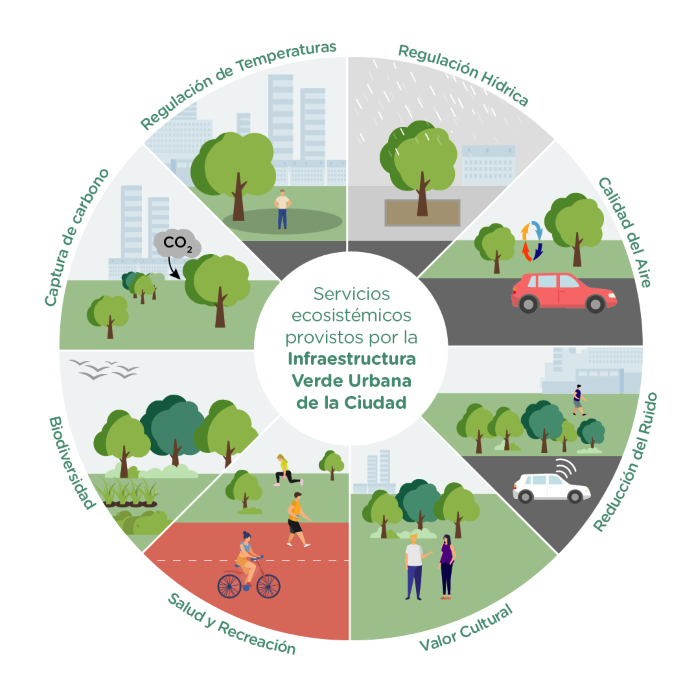
Image taken from buenosaires.gob.ar
Eco-design offers multiple benefits for cities, from improving the quality of life to reducing the carbon footprint and increasing urban resilience. Public spaces designed to be pleasant and safe can encourage more people to walk, improving public health and encouraging a more active life.
An urban green infrastructure can help mitigate climate problems such as rising temperatures, droughts and floods. The implementation of ecological corridors and the restoration of urban rivers and wetlands not only do they improve biodiversity, but they also increase the resilience of ecosystems to climate change.
Effective waste management can reduce pollution and improve public health in cities. Urban gardens promote food self-sufficiency and create spaces for environmental education, showing that ecological design is a powerful tool for creating more sustainable and livable cities.
In this context, sustainability certifications are important because they validate that a building complies with specific principles and criteria to reduce its environmental impact and optimize the use of resources.
Certification systems such as:
are recognized internationally for their focus on sustainable construction.
Each certification system has its own approach and methodology for evaluating sustainability in construction, considering aspects such as energy consumption and air quality. These certifications promote environmental sustainability and can increase the market value of a building by making it more attractive and efficient.
The LEED system, for example, evaluates buildings based on economic, environmental and socio-cultural criteria, offering a comprehensive assessment of sustainability.
On the other hand, the EDGE certification focuses on achieving a balance between energy efficiency, water consumption and the use of sustainable materials, being especially useful for projects in developing countries. Implementing EDGE can significantly reduce the carbon footprint of buildings, promoting more responsible urban development.
WELL certification, on the other hand, focuses on human well-being, evaluating how buildings can improve the health and comfort of their occupants through aspects such as air quality, lighting and access to drinking water.
Obtaining environmental certification is a key step for any project that aspires to be truly sustainable and environmentally friendly, contributing to a city that is more aware and committed to sustainability.
In short, green design strategies for cities are essential to mitigate climate change and improve the quality of life of their inhabitants. From green infrastructure to efficient water management and sustainable mobility, every aspect of urban design can contribute to creating a healthier and more sustainable environment.
In addition, citizen participation and education are fundamental to the success of these initiatives. By involving the community in the design and planning process, it is ensured that the solutions are effective and reflect the needs of the inhabitants.
In this context, environmental certifications are key to validating compliance with sustainability criteria, promoting good practices and recognizing those projects that truly contribute to responsible urban development.
Urban ecological design is a key strategy for facing the challenges of climate change, improving the quality of urban life and building sustainable cities. Through the integration of green infrastructures, energy efficiency in buildings, sustainable mobility and the responsible management of water and waste, sustainable urban development is promoted that minimizes the carbon footprint and promotes healthier environments.
These actions not only promote urban biodiversity and air quality, but they also offer social and economic benefits by creating spaces that are more livable, equitable and resilient in the face of future climate crises. Sustainable urbanization is based on ecological principles and conscious planning, which integrates environmental criteria and citizen participation to build more cohesive and committed communities.
Adopting these ecological design strategies is essential to transform cities into places that are more efficient, inclusive and in harmony with the environment. Committing to clean technologies, sustainable materials and greater social awareness is essential to ensure that the cities of the future are spaces where people live with well-being and in harmony with nature.
Green infrastructures are components of urban design that include natural spaces and green areas, such as parks and green roofs. Their importance lies in the fact that they contribute to reducing environmental impact, improving air quality and promoting biodiversity, while offering recreational spaces that enrich the quality of life in cities.
The integration of renewable energy into building design, through solar panels and wind turbines, is essential to reduce dependence on fossil fuels and minimize the carbon footprint. In conclusion, adopting these technologies enhances sustainability in construction.
Urban gardens provide significant benefits to communities by improving air quality, providing access to fresh food, and promoting social cohesion. They also educate about sustainable agricultural practices and promote food self-sufficiency.
Sustainable mobility, by promoting the use of efficient public transport, bicycles and pedestrian spaces, reduces dependence on cars and, therefore, reduces greenhouse gas emissions. This transition to cleaner transportation alternatives is vital to achieving more sustainable cities and improving quality of life.
Environmental certifications, such as LEED and EDGE, validate compliance with criteria that minimize the environmental impact of buildings. They are essential to promote sustainability, increase market value and ensure more efficient and environmentally friendly buildings.
Leaf Global. Copyright © 2026. All rights reserved.