He leads projects and consulting services under LEED, EDGE, and FITWEL standards, integrating facade optimization strategies, life cycle assessments, and energy modeling to develop high-performance buildings.

In this complete guide to green buildings certified with EDGE and LEED in Peru, we tell you what the benefits of these certifications are and why they have become key tools for improving environmental performance, optimizing the use of resources and increasing the value of your sustainable real estate investment.

Green buildings
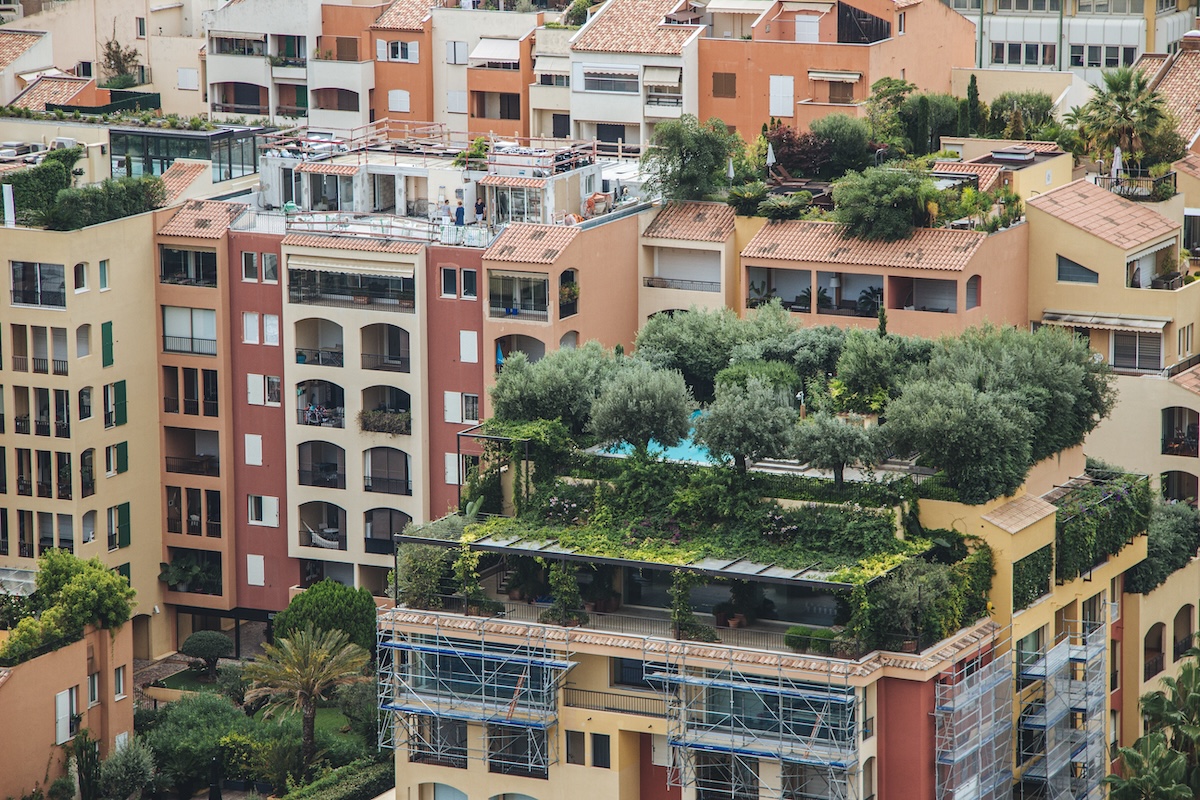
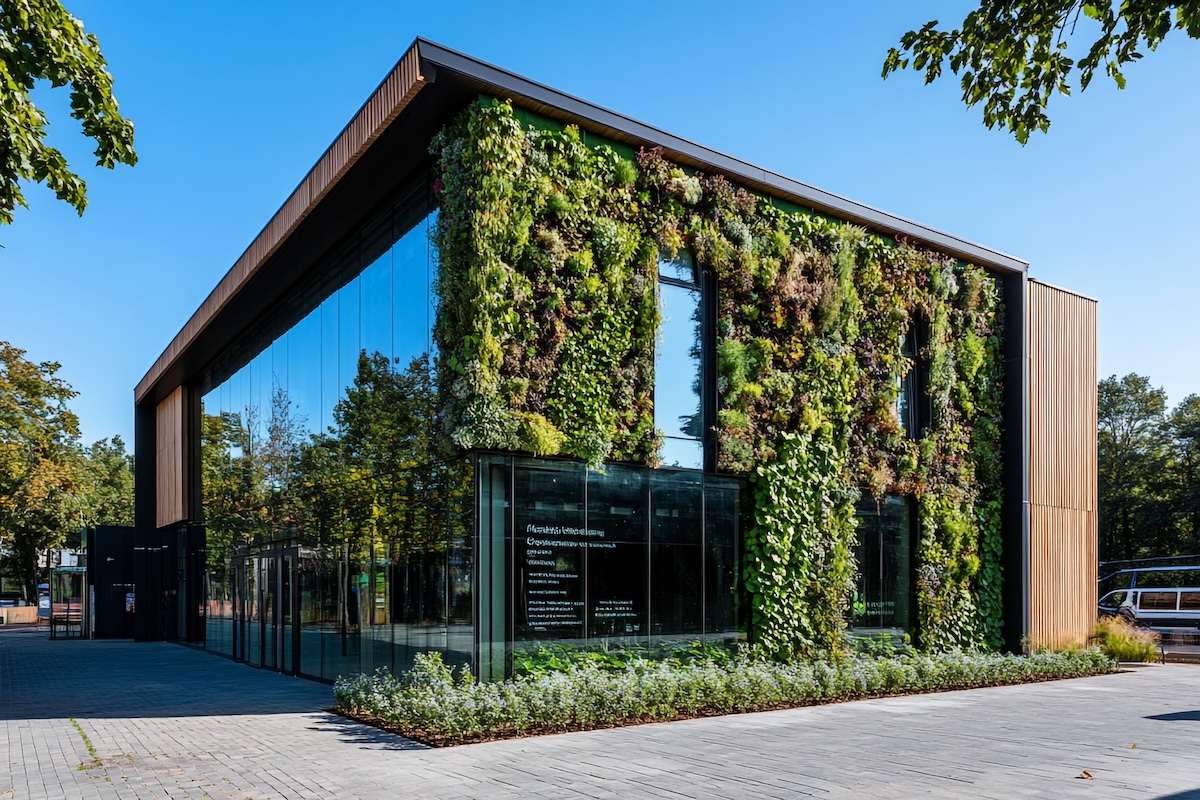
Green buildings are constructions designed to minimize energy and water consumption, contributing to sustainable urban development. These buildings seek to reduce the environmental footprint and improve the quality of life of the environment through the reduction of pollution and the efficient use of resources.
For example, a green building can incorporate technologies such as solar panels, natural ventilation systems or rainwater collection, which reduces their dependence on external sources and reduces their polluting emissions.

Environmental impact of green buildings
In addition to their ecological advantages, green buildings generate concrete benefits for both users and developers:
In this way, a culture of sustainability is promoted that transcends the building itself and provides social value through more resilient and responsible communities.
There are several certification systems that validate whether a building meets sustainability criteria. Among the most internationally recognized are LEED and EDGE, both widely used in Peru and Latin America.
Developed in 1998 by the U.S. Green Building Council, LEED is one of the most prestigious certification systems in the world. It evaluates the environmental performance of buildings in different categories, such as:
Based on the score achieved, buildings can obtain one of the following levels: Certificate, Silver, Gold or Platinum.
EDGE is a certification developed by IFC (International Finance Corporation of the World Bank), designed especially for emerging markets. Its approach is more accessible, agile and affordable, making it an attractive option for homes, offices and shopping centers in these markets.
To get certified EDGE, a building must achieve at least one 20% savings in energy, water and energy incorporated in materials, compared to a conventional construction.
Both certifications demonstrate the environmental commitment of a project, improve its market value and facilitate access to green credit or public incentives.


This building has been awarded the LEED EBOM Gold certification, thanks to the joint work between Binswanger Peru and Leaf Global. This recognition validates their efficiency in operation and maintenance, energy savings, resource management and indoor environmental quality. Achieving between 60 and 79 points in the LEED evaluation makes it possible to achieve the Gold level, an outstanding standard within the global system.
Leaf Global has provided its consulting services to a series of real estate projects, which have obtained certifications such as EDGE, LEED and more, here are some examples:
A recent global study by JLL (Jones Lang LaSalle) reported that, at the close of 2024, the city of Lima had 896 class A buildings certified as sustainable, which positions it as the second city in Latin America with the highest proportion of sustainable offices, only behind Santiago de Chile.
This data shows the sustained growth of sustainable construction in Peru, especially in the corporate real estate sector. More and more developers and companies are prioritizing energy efficiency, environmental certification (READ, EDGE, BREEAM) and the creation of healthy environments for users, aligned with global demands for sustainability and climate resilience.
🔎
—

Sustainability is no longer just an environmental issue: it also represents a real financial opportunity. In Peru, both individuals and companies can access green credits and preferential conditions thanks to projects certified with international standards such as EDGE or LEED.
If you are looking to buy a property, choosing certified sustainable housing can give you access to green mortgage loans offered by various banks in the country. These loans provide lower interest rates, flexible terms and special conditions for those who choose homes that are efficient in the consumption of water, energy and materials.
A sustainable home is designed to reduce its environmental footprint, improve the comfort of its occupants and ensure energy efficiency — all backed by certifications such as EDGE or LEED.
Developers who are committed to sustainable construction can also access green financing lines. By certifying their projects, they improve financial viability, raise asset valuation and gain a reputation with investors, banks and even local governments that promote responsible practices.
Certifying your projects with EDGE or LEED not only contributes to the environment, but it opens up opportunities to scale financially.
This financial approach to sustainability has been analyzed in depth by experts such as Luis Fernando Espinoza Castillo and Fernando Velarde Díaz in their publication “Banking benefits from obtaining sustainable certifications”, highlighting how these tools are transforming the Peruvian real estate market.
For more information check out our blog Green certifications: which one to choose for your project.
To certify your sustainable project Contact us here
A green building is a construction that seeks to reduce energy and water consumption, optimizing the use of resources and minimizing pollution. These types of buildings contribute to improving the quality of life in their environment.
The requirements for obtaining EDGE certification include a minimum reduction of 20% in energy consumption, water and in the carbon emissions associated with the materials used. This standard seeks to promote sustainability in construction.
LEED offers different types of certification, adapted to different types of projects. The main ones are:
Each one responds to a specific context of the built environment and makes it possible to evaluate sustainability criteria in a personalized way.
The cost varies depending on the type of project, size, and stage of development. However, both certifications offer a return on investment by reducing operating costs and facilitating access to financial incentives.
Both residential and commercial, industrial, institutional and mixed-use buildings can opt for EDGE or LEED certifications, provided they meet the required sustainability criteria.
Leaf Global. Copyright © 2026. All rights reserved.