He leads projects and consulting services under LEED, EDGE, and FITWEL standards, integrating facade optimization strategies, life cycle assessments, and energy modeling to develop high-performance buildings.

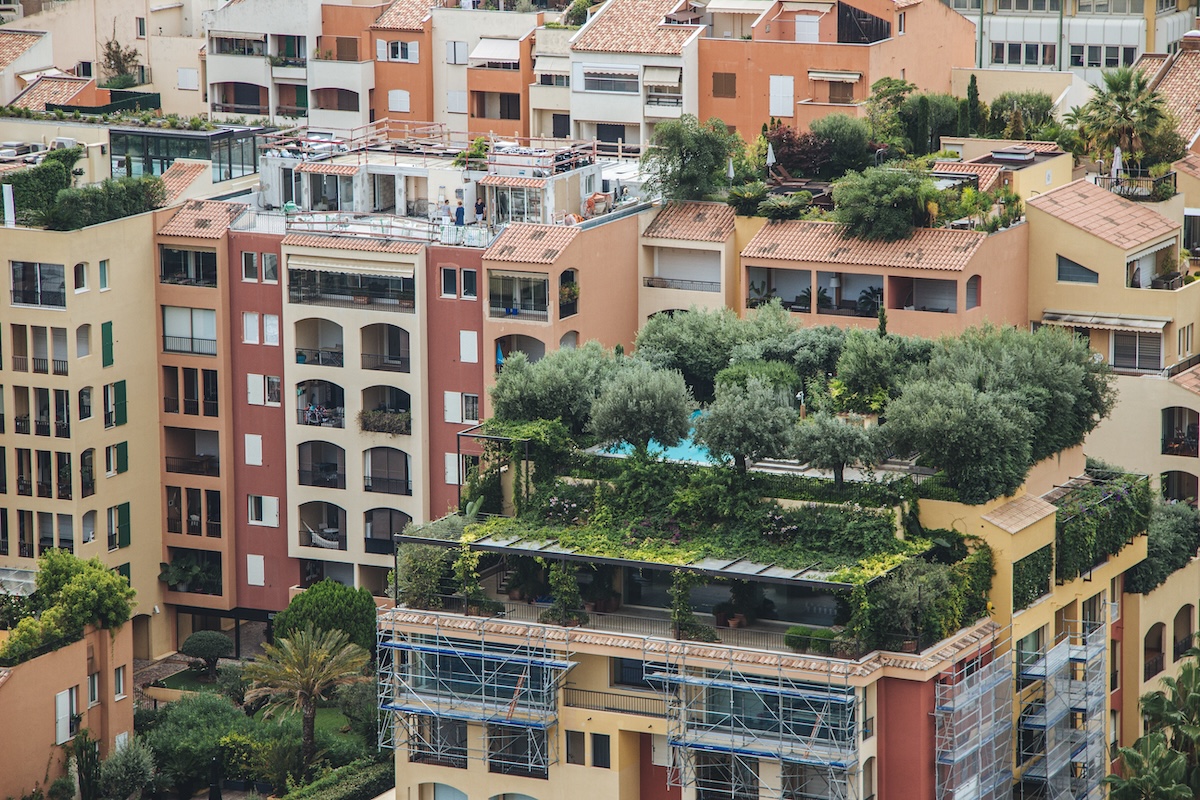
Energy is one of the most important resources we use in our daily lives, and the construction sector is one of the largest consumers of energy worldwide. Therefore, it is It is crucial to find ways to save energy in our homes and schools to reduce our carbon footprint and contribute to the sustainability of the planet. In this article, we'll talk about some effective strategies for saving energy in homes and schools, and sustainable certifications that can be used to evaluate energy performance.
In homes, energy savings can be achieved in several ways, such as the installation of solar panels, the use of efficient appliances, the optimization of the use of lighting and heating, and the implementation of sustainable practices in the home. For example, we can reduce energy consumption in our home Turning off electronic devices that are not being used, adjusting the temperature of the heating and air conditioning, and replacing incandescent bulbs with energy-efficient LED bulbs.
In schools, energy savings are equally important, and can be achieved by optimizing the use of lighting and air conditioning, installing efficient equipment, and educating students about the importance of responsible energy use. For example, schools can use sensor-controlled lighting and air conditioning systems, and promote sustainable practices among students through awareness-raising campaigns.
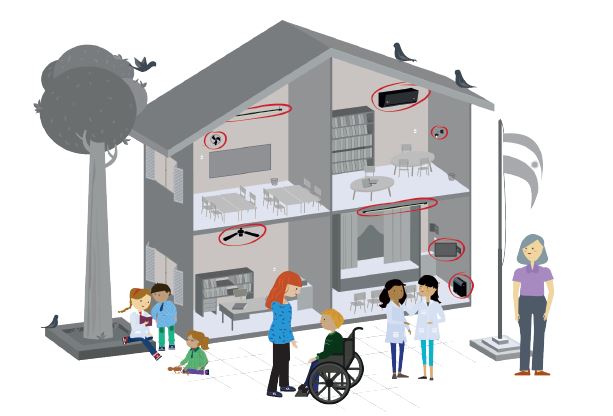
Source: Educate
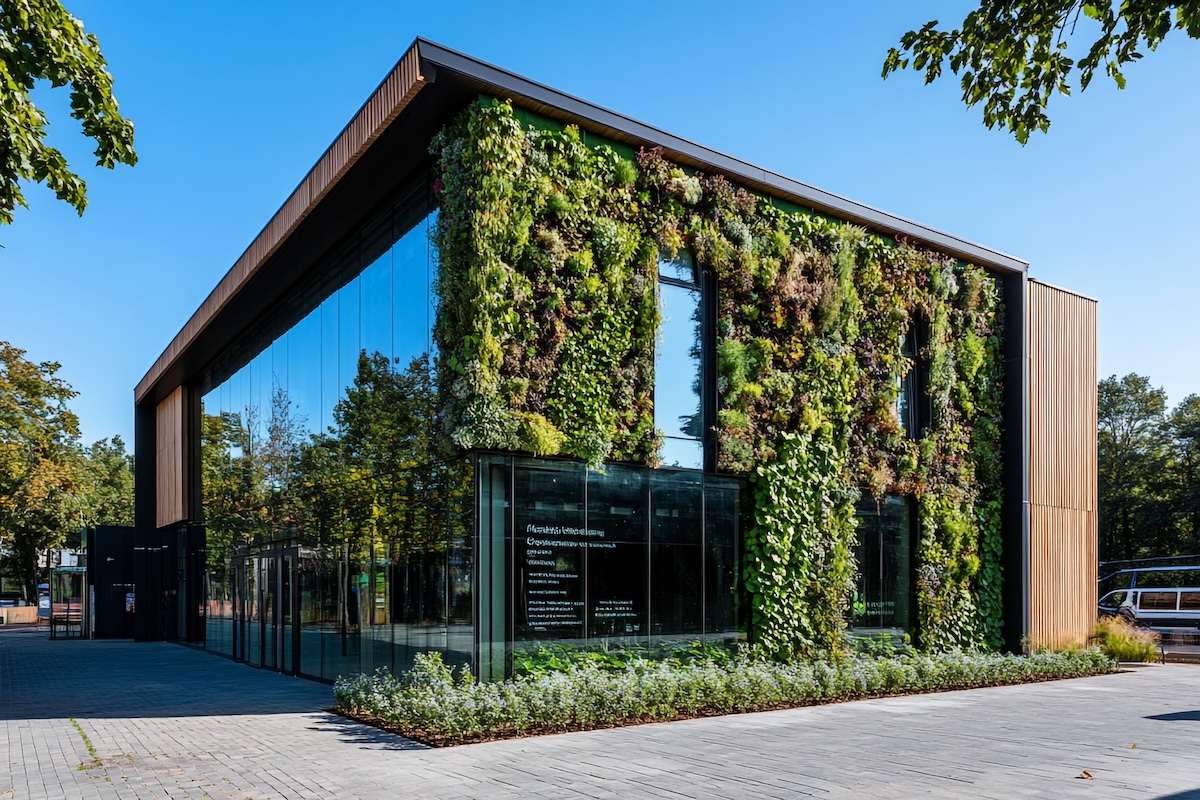
To evaluate the energy performance of homes and schools, there are several sustainable certifications that can be used, such as LEED and EDGE. These certifications evaluate the performance of buildings in several areas, including energy efficiency, indoor air quality, and the use of sustainable materials. Obtaining sustainable certification can be a great way to improve the energy performance of a home or school, and reduce their impact on the environment.
Saving energy in homes and schools is essential for the sustainability of the planet, and can be achieved through the implementation of sustainable practices and the use of sustainable certifications to evaluate energy performance. By adopting these strategies, we can contribute to a more sustainable future and reduce our carbon footprint.
If you are about to build a real estate or educational project, contact us here.
Leaf Global. Copyright © 2026. All rights reserved.