He leads projects and consulting services under LEED, EDGE, and FITWEL standards, integrating facade optimization strategies, life cycle assessments, and energy modeling to develop high-performance buildings.

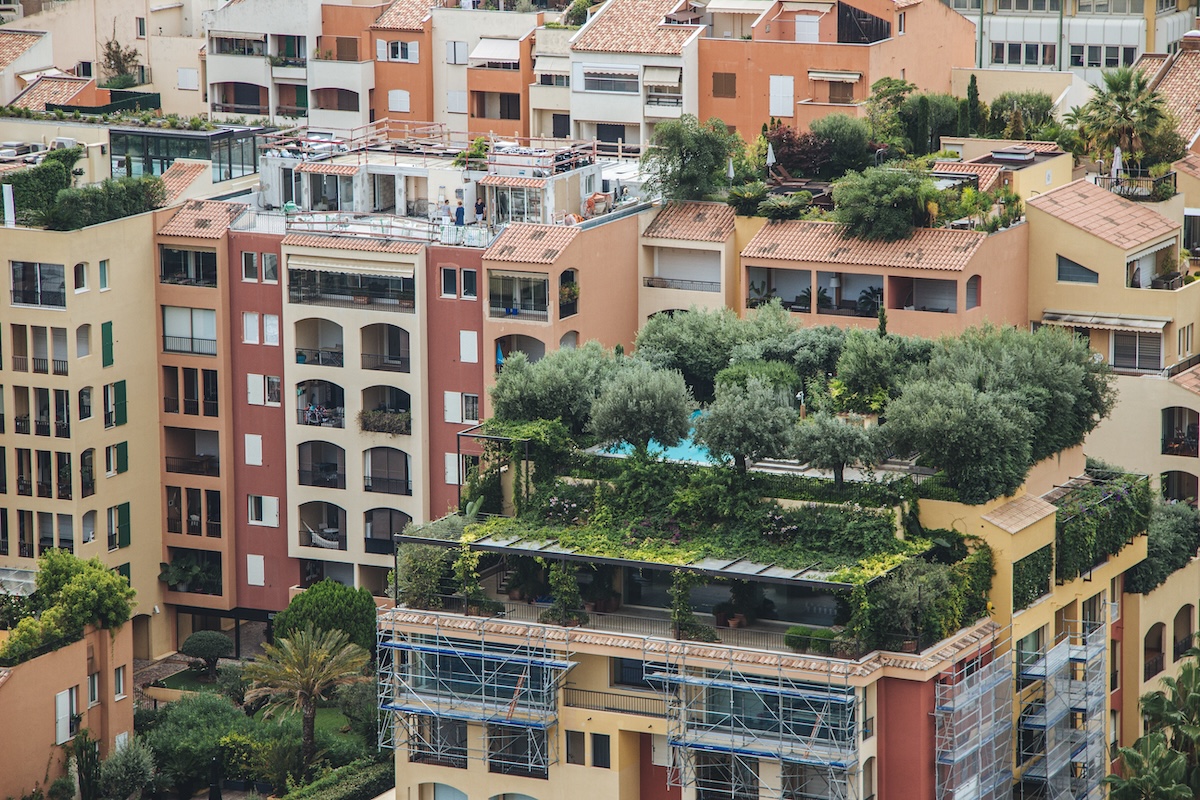
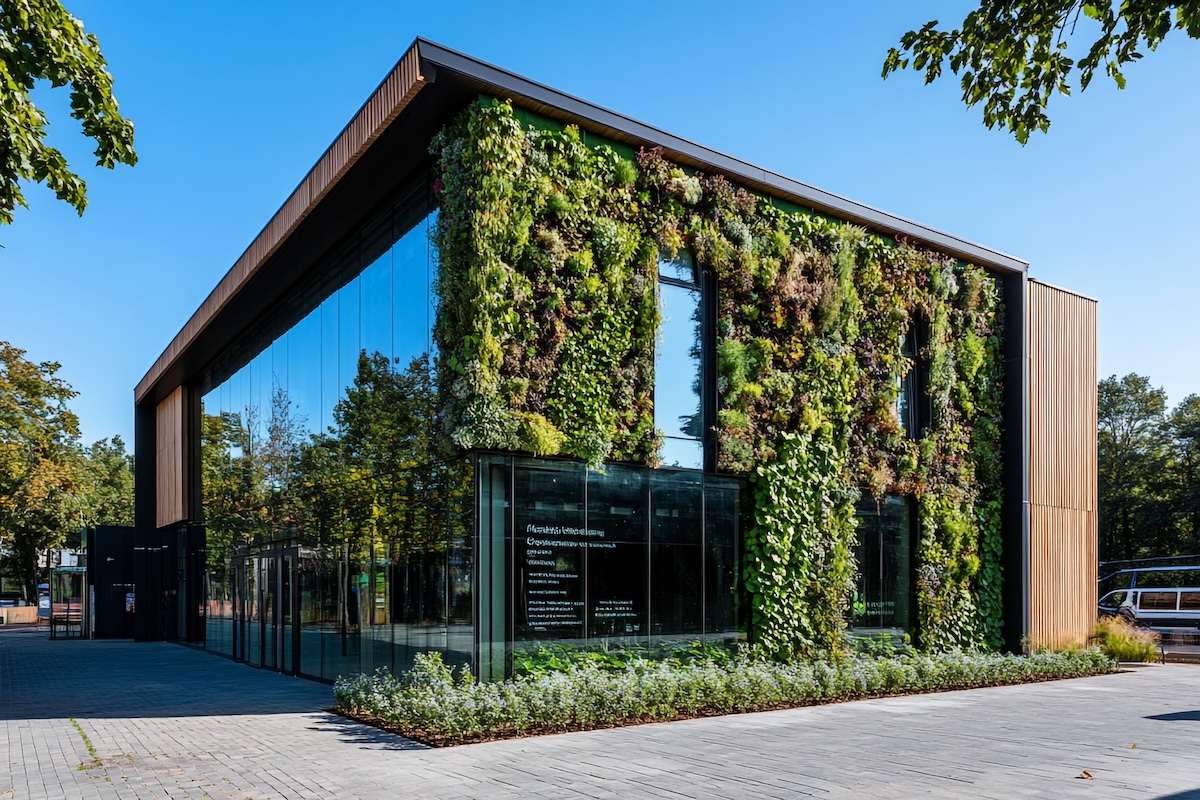
The conversion of existing buildings into sustainable ones has become an attractive alternative to reduce the ecological footprint of construction. In this article, we'll explain how you can make a building sustainable and the sustainable certifications you can use to certify existing buildings.
One of the options for making a building sustainable is to certify it with one of the existing sustainable certifications. Among the most recognized is the Leadership in Energy and Environmental Design (LEED), which focuses on sustainability in the construction, operation and maintenance of buildings. LEED offers a specific certification for existing buildings, called LEED for Existing Buildings: Operations and Maintenance (LEED EB: O+M).
It should be noted that existing buildings earn more points for improving performance than for simply implementing strategies.
Among the benefits of certifying a building, we can find:
On the other hand, sustainable certification can be expensive and require a significant investment of time and resources, it's just worth it and there are a series of economic benefits depending on the country where the project is created.
It provides 12 consecutive months of evaluation of categories such as Energy, Water, Waste. As well as measurement through a survey on transport and the quality of the indoor environment.
DOTS CATEGORY: metric 33 Energy: Amount consumed 15 Water: Amount consumed 08 Waste: Amount generated 14 Transportation: Survey How do users get to the building? 20 Indoor Environmental Quality: Satisfaction Survey, TVOC measurements and indoor CO₂ measurements. 10 Base Points
An annual review must be done to maintain the certificate.
If you want to certify an existing project, contact us here.
Leaf Global. Copyright © 2026. All rights reserved.